By Judyvein Cheng, CPCN, BRNC
Certified pet nutritionist in Singapore
QUICK ANSWER
Some pets don't mind clothes, and some even find them comforting. But many don't enjoy being dressed up, and in Singapore's heat, overheating is a real risk. Choose thin, breathable materials, check the fit, watch your pet's body language, and take it off if they're unhappy.
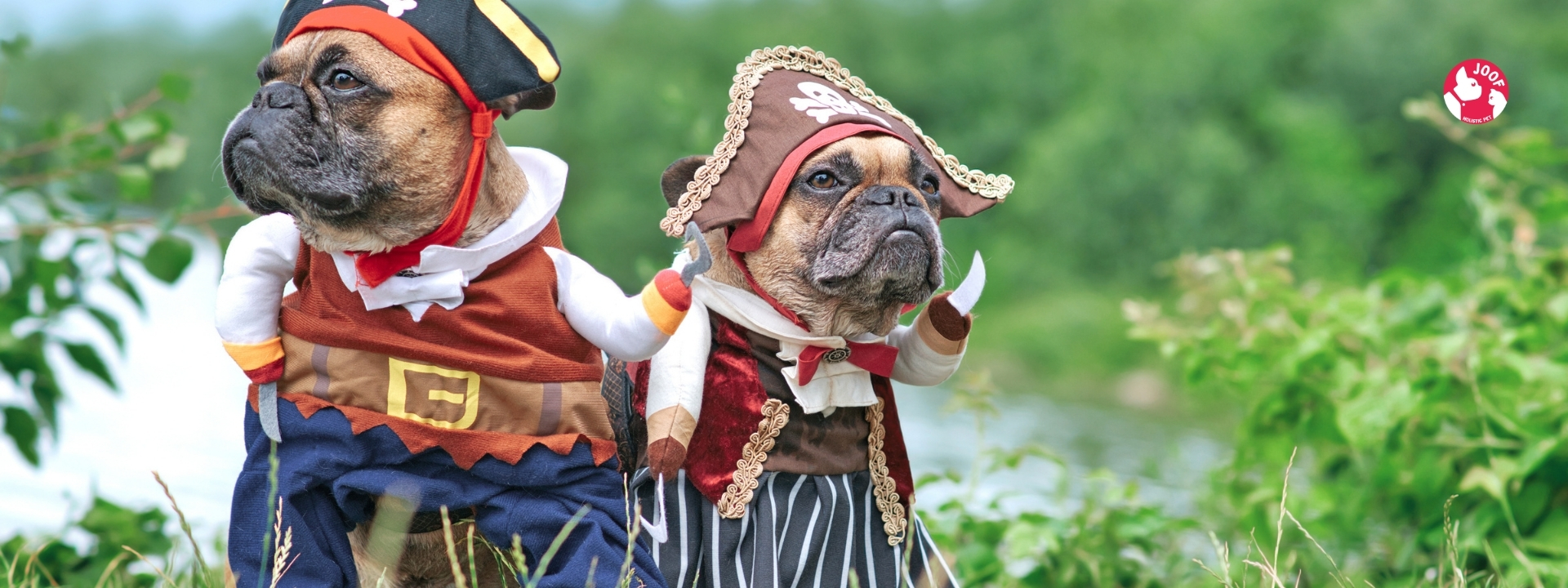
Festive seasons, birthdays and photo shoots make it so tempting to dress up our pets, and social media is full of adorable outfits. But before you buy that costume, it's worth thinking about how your pet feels about it.
When clothing can help
✓ Anxious pets: a snug, light layer can help some pets feel safe and secure.
✓ Protection: booties or a light layer can protect paws and skin. Read more in sun safety for dogs.
✓ After surgery: a recovery suit can protect a wound and stop licking.
✓ Just for fun: dressing up can be harmless fun, as long as the outfit is for your pet's comfort as much as your photo.
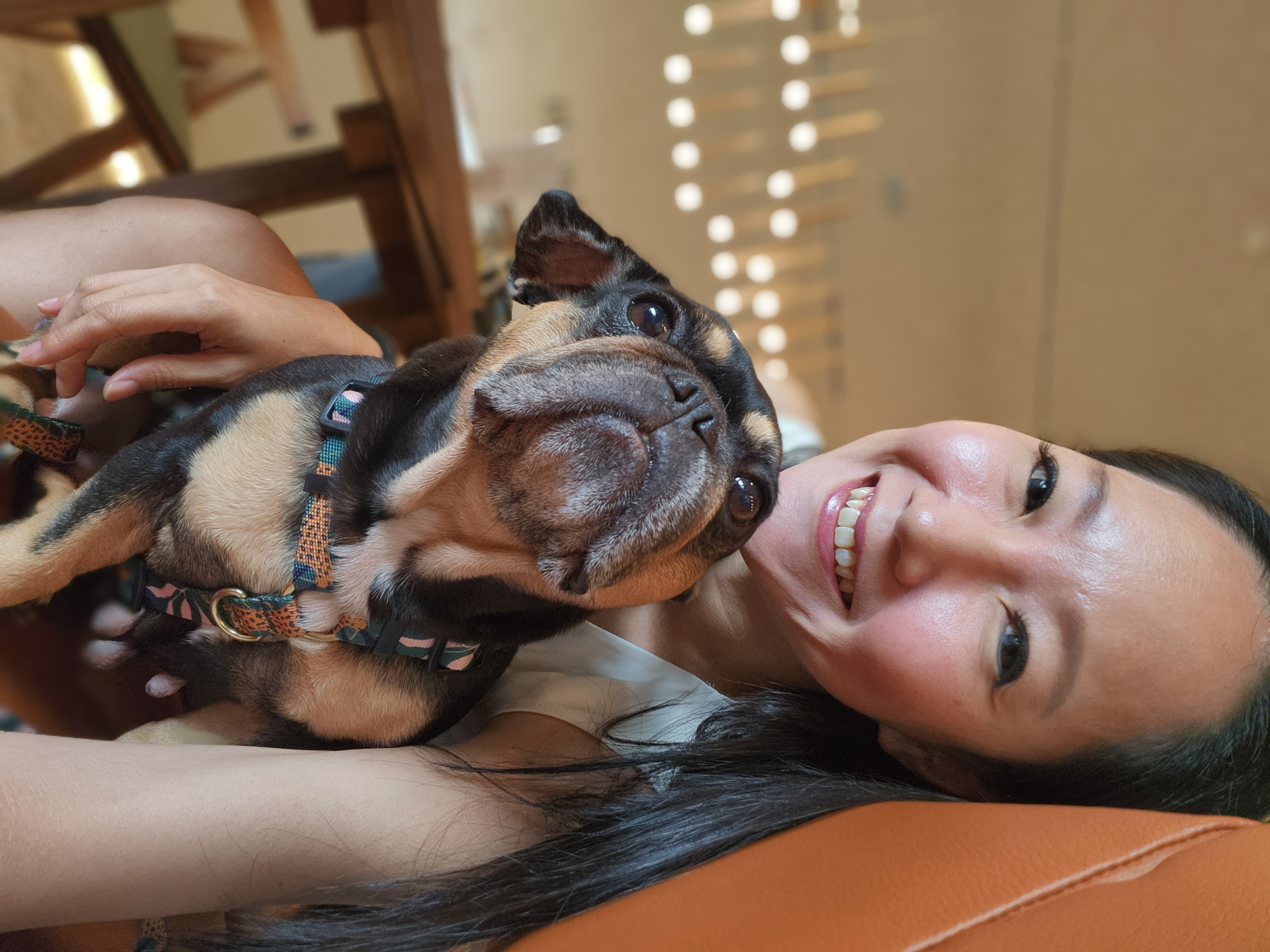
FROM MY EXPERIENCE
BeanBean wears clothes to help her feel less anxious when she's at daycare, and during festive seasons she dresses up with us. We always choose thin materials, keep her cool, and take the outfit off if she starts panting too much.
Why many pets don't enjoy it
✓ Body language: clothing can get in the way of the signals pets use to communicate.
✓ Movement: tight or bulky outfits restrict natural movement and can cause stress or frustration, especially for pets new to clothes.
✓ Senses: outfits that cover the eyes, ears or whiskers can leave pets disoriented or anxious.
✓ Grooming: clothes make it hard to groom, especially for cats.
✓ Overheating: pets regulate their body temperature through their fur and skin. Extra layers can easily overheat them, especially thick-coated breeds, and especially in Singapore's heat and humidity. Read more in keeping cats cool in Singapore.
Signs your pet is uncomfortable
Body language
Flattened ears, a tucked tail or a hunched posture.
Scratching or biting
Pawing, scratching or biting at the clothing means they want it off.
Freezing
Standing still or refusing to move can mean your pet feels trapped.
Panting or whining
A sign of distress or overheating. Take the outfit off straight away.
If your pet isn't happy
Don't force it. If your pet needs to wear something, such as a recovery suit, help them build positive associations with it slowly, using treats and short sessions. For celebrations, try a festive collar, a bandana or a themed toy instead.
How to dress your pet safely
Keep it simple. Choose thin, lightweight, breathable materials, and avoid small parts that could come off.
Check the fit. Outfits that are tight around the neck, chest or legs are uncomfortable and can be dangerous. Measure your pet's neck, chest and length, and check the fit the first time they wear it.
Test it briefly. Let your pet wear it for a short time while you watch how they react.
Put comfort first. The outfit shouldn't restrict movement or cover the face or whiskers.
Respect their answer. Take it off straight away if your pet seems stressed or uncomfortable.
Extra safety tips: avoid buttons, zips and loose parts that could be chewed or swallowed and cause choking or a blockage. Choose good-quality, gentle materials to avoid skin irritation.
Keep your pet's clothes clean, too. We soak BeanBean's clothes in Hygiene Water.
Clothes and costumes can be perfectly safe, and if your pet enjoys them, that's wonderful. Just remember that your pet's comfort matters more than a cute photo. Watch their body language, respect their boundaries, and be ready to accept a "no".
Frequently asked questions
Do dogs need clothes in Singapore?
Usually not for warmth. But a thin layer can help anxious pets, and a recovery suit helps after surgery.
How long can my pet wear an outfit?
Start with a few minutes and build up. Never leave a dressed pet unsupervised, and take it off if they pant or seem uncomfortable.
This article is for educational purposes and isn't a substitute for veterinary care. If you're concerned about your pet's health, please seek professional advice.
ABOUT THE AUTHOR
Judyvein Cheng, CPCN, BRNC
Judyvein is a Certified Professional Canine Nutritionist and Certified Raw Nutrition Coach for Cats & Dogs, and the founder of JOOF Holistic Pet. Her journey began with her Frenchie, Wangcai, and today she helps pet parents in Singapore take a root-cause approach to their pets' health.
RELATED READING