FREE DELIVERY for Orders $38 and Above.
About Us

Cart

Your cart is currently empty.

Continue shopping

About AnimalBiome

AnimalBiome Founding
AnimalBiome have come a long way since their humble beginnings — a highly successful Kickstarter campaign in 2015 and the launch of their first products in 2016! Today, led by Founder and Chief Science Officer Holly Ganz and Chief Executive Officer Carlton Osborne, AnimalBiome is the leader in microbiome science for companion animals. With one of the largest databases of gut health information in the world, we help thousands of veterinarians and pet parents every month successfully analyze and treat gut microbiome dysbiosis in companion animals. Learn more about AnimalBiome and see how their products can help your cat or dog!
AnimalBiome Vision

AnimalBiome believe that pets are full members of our families and will finally be able to live to their full potential when pet parents, and the pet care community that serves them, understand the essential roles that the microbiome plays in animal health.

AnimalBiome Mission

AnimalBiome are on a mission to revolutionize animal health by using microbiome science to create products that improve the lifespan and quality of life of companion animals. More than half of cats and dogs will suffer from a microbiome-related health condition at some point in their lives. Understanding and supporting a pet’s gut microbiome throughout their lives can help prevent the development of digestive, skin, and immune system related conditions.

AnimalBiome Values
  • Follow the Science - AnimalBiome are a company founded and led by scientists, and every product and service they provide is backed by science. If a product doesn’t deliver proven efficacy of function, they won’t launch it.
  • Be Inclusive & Honor Diversity - AnimalBiome value diversity in everything they do. From the people they hire to the companies they do business with, AnimalBiome look for diversity in thought and a respect for different ways of doing things.
  • Be Transparent - AnimalBiome are open and honest about everything they do. AnimalBiome U.S.-based Animal Care Team is available by phone or email to take care of any questions or concerns their customers have.
  • Minimize Our Environmental Impact - AnimalBiome care about the earth and how their business affects the natural world. AnimalBiome work hard to minimize the environmental impact of their products, packaging, and manufacturing processes.
  • Mutuality - AnimalBiome strive to achieve mutual benefit in everything they do, including their interactions with customers, vendors, and by improving the communities in which they work and live.
  • Give Back - AnimalBiome are dedicated to supporting organizations that work to improve pets’ lives. AnimalBiome routinely partner with animal shelters and pet rescue organizations to help the most vulnerable cats and dogs.
AnimalBiome Products
AnimalBiome’s scientists have studied the microbiomes of more than 30,000 cats and dogs and have developed science-backed solutions for pets suffering from a range of symptoms. If your pet suffers from health problems like diarrhea, vomiting, or itchy skin, the cause could be a microbiome imbalance. AnimalBiome DoggyBiome™ and KittyBiome™ microbiome testing and supplement products provide a scientific, comprehensive roadmap for achieving a healthy gut microbiome through our 3-Step Process of testing, restoring, and maintaining the gut microbiome.
Meet The Team

Founded in 2016 and based in the San Francisco Bay Area, AnimalBiome was started with a simple goal of helping cats and dogs feel better by using science to unlock the mysteries of the pet gut microbiome. All of them love pets and have an unwavering passion about helping them lead longer, happier lives.

  • 25% of us have PhD’s or advanced degrees
  • 75% of us are women
  • 100% of us love pets

(Just to show a few)

Holly Ganz, PhD, Chief Science Officer, Co-Founder

Carlton Osborne, Chief Executive Officer, Co-Founder

Alex Martin, Director of Animal Care, Co-Founder

MJ Seminoff, VP, Operations, Co-Founder

AnimalBiome Labs in Oakland, California

Highly trained AnimalBiome employees in Oakland, California, labs use Illumina 16S rRNA to sequence the DNA found in each fecal matter sample and then employ sophisticated software to identify and analyze over 5,000 different types of gut bacteria. AnimalBiome compare the results for each sample to one of the world’s largest databases of healthy cat and dog gut microbiome data, providing their customers with a detailed gut health report and additional information to help them understand their pet’s results. AnimalBiome's gut health reports include personalized recommendations for supplements and dietary changes to improve each pet’s gut and overall health.

Learn more about our science

The Science Behind AnimalBiome

AnimalBiome Science
They’re AnimalBiome — a team of pet parents, scientists, and veterinarians committed to using science to improve pet health. As the world’s leading pet microbiome research company, they’ve developed an award-winning line of DoggyBiome™ and KittyBiome™ products, including the first-ever at-home gut microbiome test for cats and dogs. Health and happiness for your pet — backed by science.
Your Pet’s Gut Microbiome

Your pet’s gastrointestinal (GI) tract hosts a unique community of  hundreds of different types of bacteria and other microbes (such as viruses and fungi), referred to collectively as the gut microbiome (pronounced: mī-krō-ˈbī-ˌōm). A diverse, well-balanced gut microbiome is essential for digestion and nutrient absorption. Each bacterial group in the gut plays an important role in your pet’s body, so a healthy gut microbiome is also crucial for overall well-being and longevity.

When some key beneficial bacteria are missing from the microbiome, or the different bacterial groups aren’t present in the right amounts, the resulting imbalance can trigger inflammation. And constant inflammation can lead to chronic illnesses, such as inflammatory bowel disease (IBD), skin issues, immune system reactions, diabetes, and even depression.

Our Process

AnimalBiome Values

AnimalBiome scientists have studied the gut microbiomes of more than 30,000 cats and dogs and have developed science-backed solutions for pets suffering from a range of symptoms. If your pet suffers from health problems like diarrhea, vomiting, or itchy skin, the cause could be a microbiome imbalance.

AnimalBiome microbiome testing and supplement products provide a scientific, comprehensive roadmap to achieving a healthy gut microbiome through our 3-Step Process: Test | Restore | Maintain.

Test

A small stool sample can reveal a lot about your pet’s health. Using genetic sequencing, AnimalBiome identify all the resident bacteria groups in your pet’s microbiome. Then they compare the results to our healthy pet reference set. Finally, they provide you with a comprehensive report that includes personalized diet and lifestyle recommendations to improve your pet’s health and happiness.

How Microbiome Testing Works

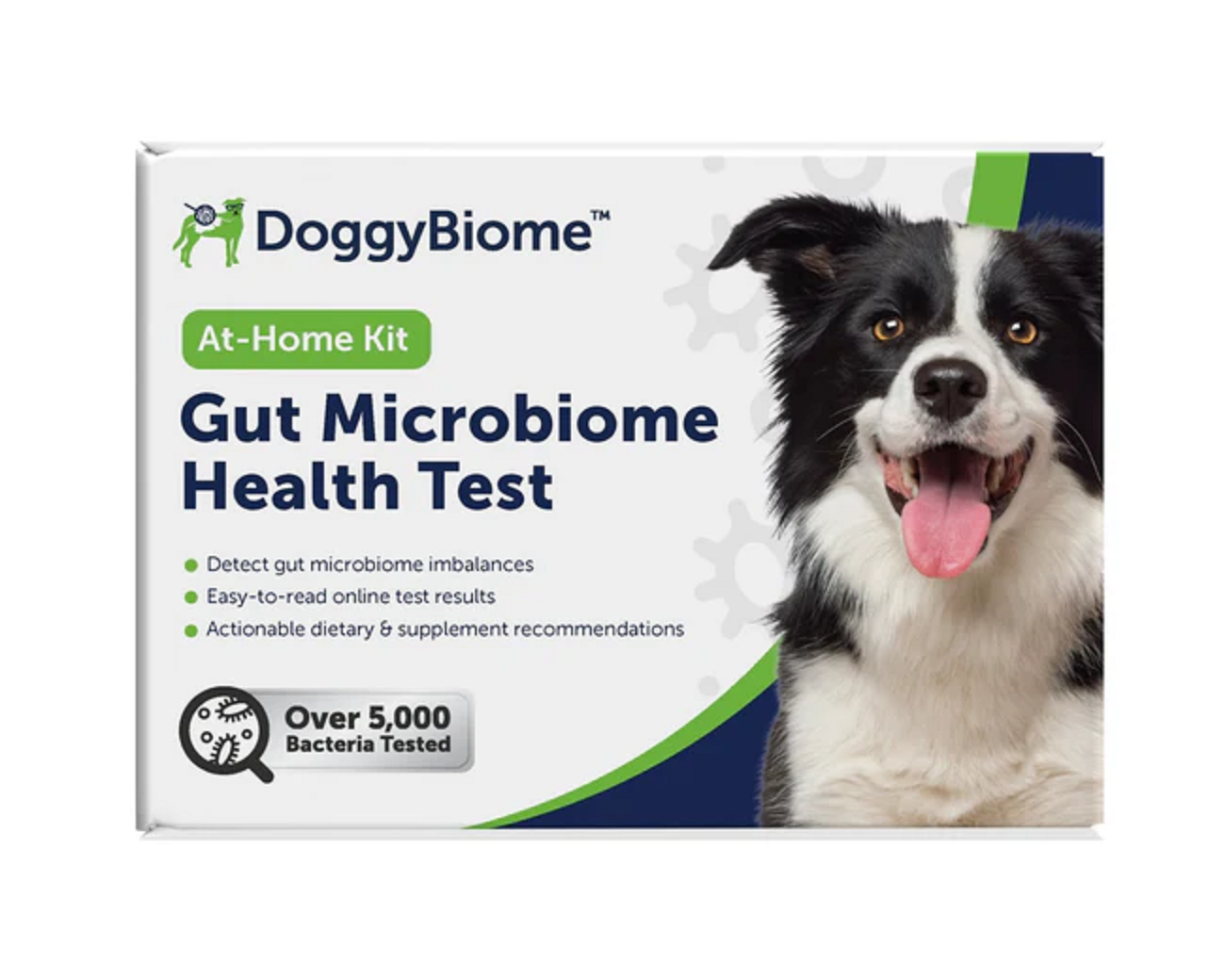
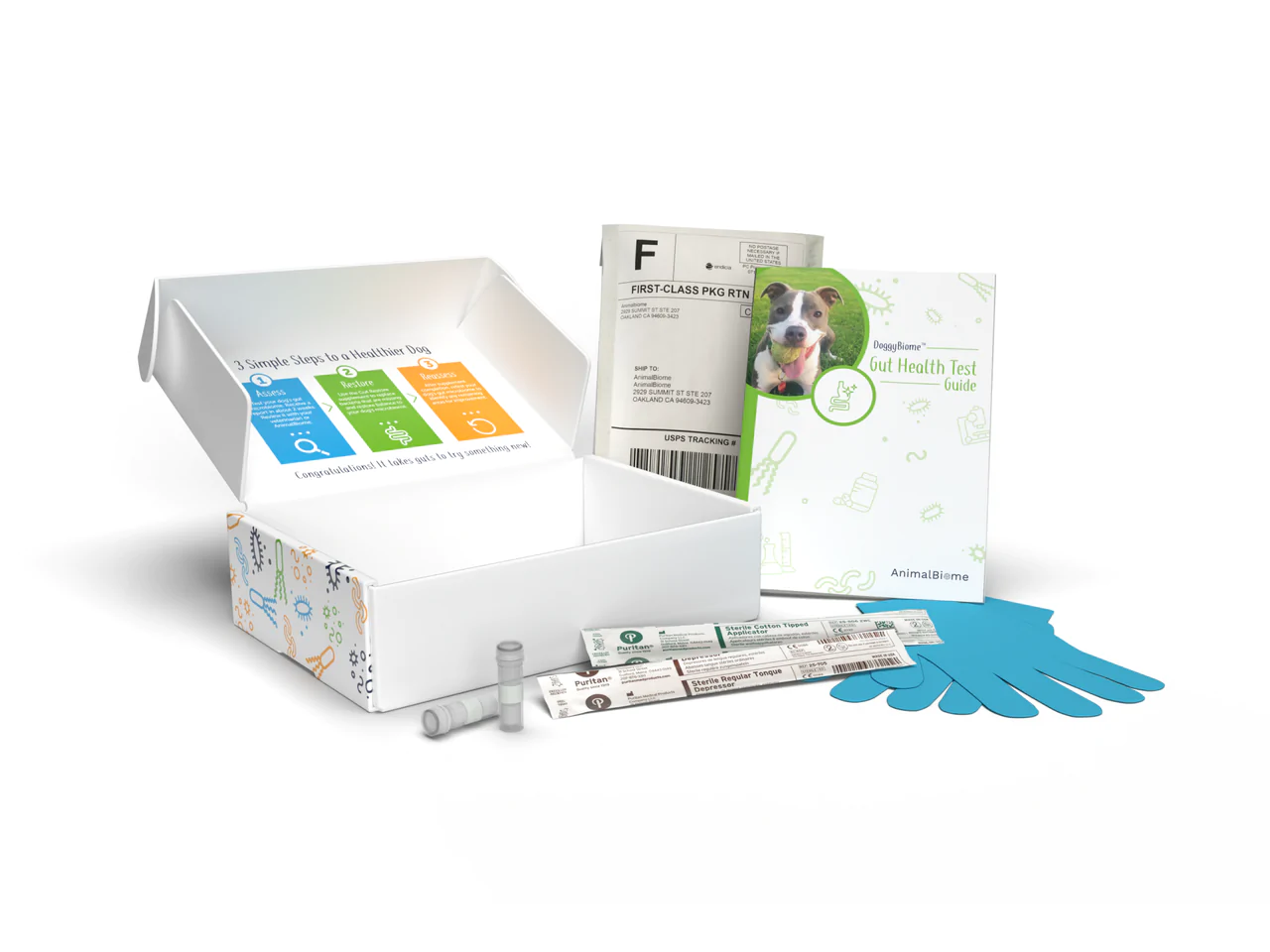
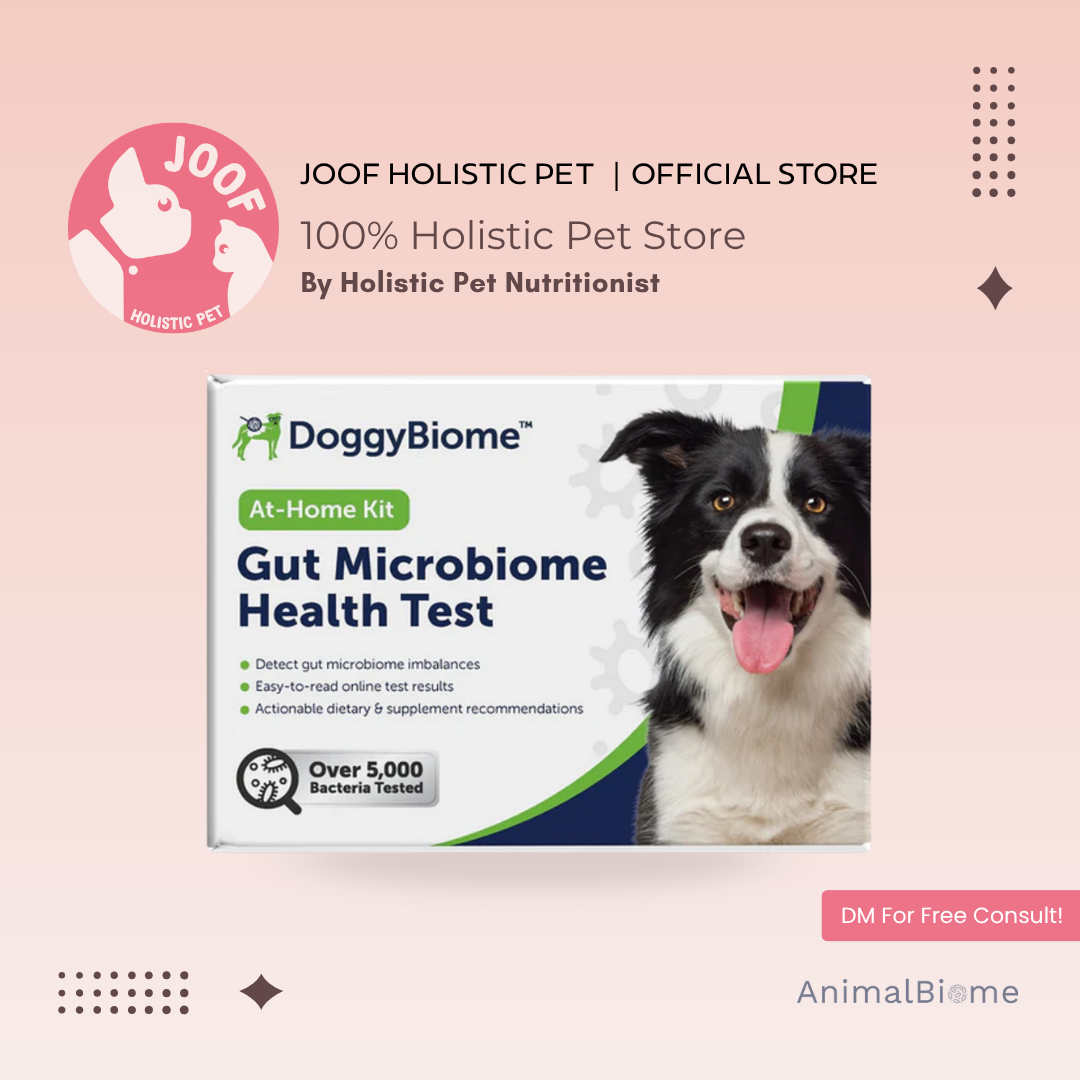
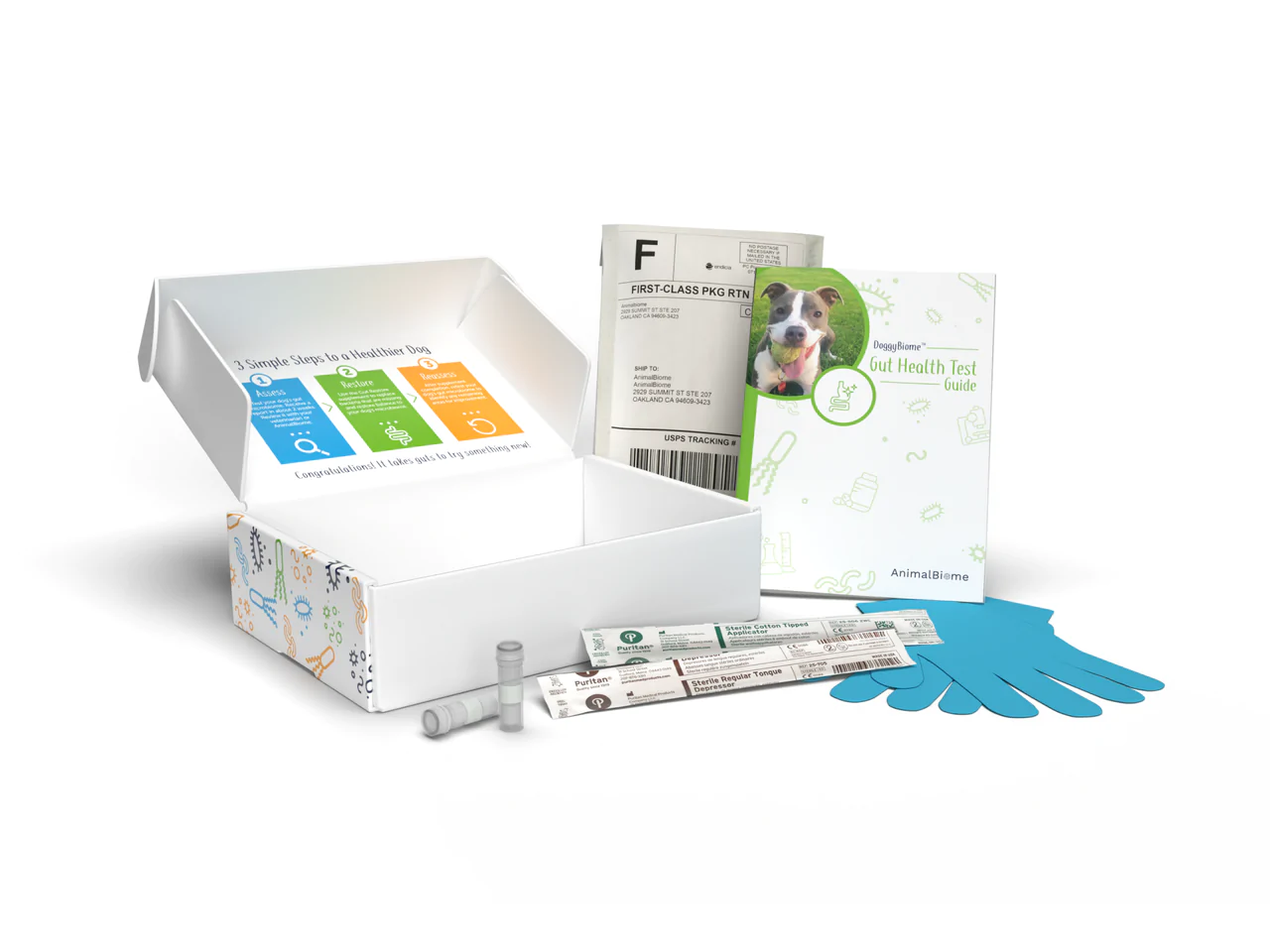
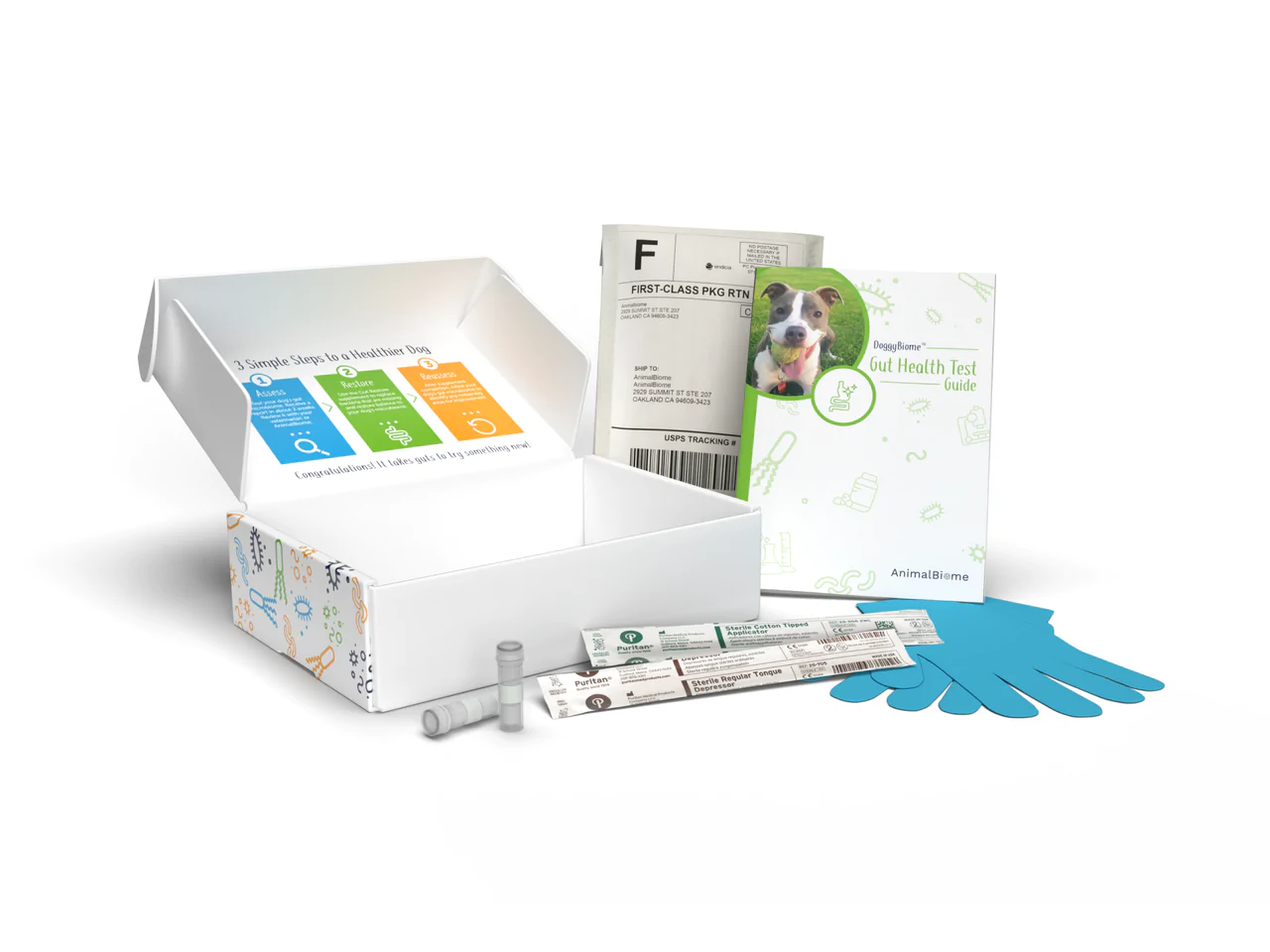
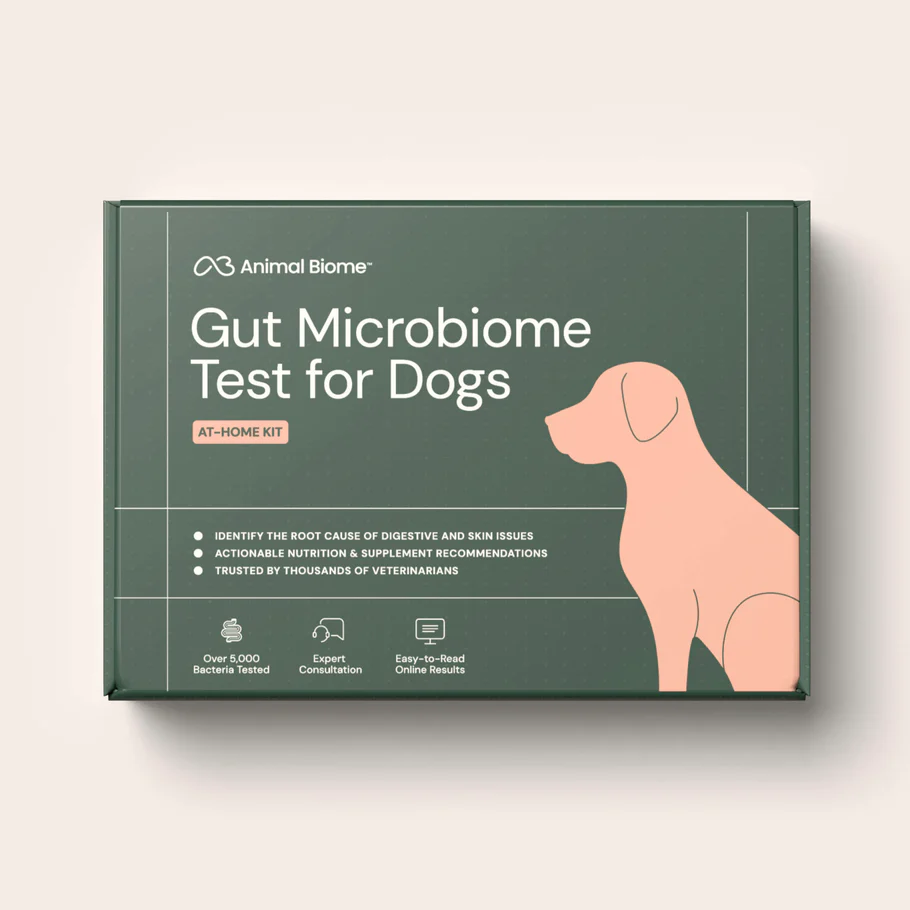
AnimalBiome DoggyBiome™ and KittyBiome™ Gut Health Test kits for cats and dogs contain everything you need to collect a small sample of your pet’s stool and send it to their laboratory. When AnimalBiome receive your pet’s sample, they first extract DNA from all the bacteria. A fecal sample about the size of a pea contains roughly one billion bacterial cells. Using DNA sequencing and powerful analytic software, they identify all the types of bacteria living in your pet’s gut.

Then, they compare your cat’s or dog’s results to our large and growing database of healthy pets to determine how closely the types and amounts of bacteria in your pet’s gut match that healthy reference set. AnimalBiome can detect any bacterial imbalances, identify any key groups that are missing, and flag any harmful bacteria that may be causing troublesome symptoms, like diarrhea or itchy skin.

AnimalBiome Healthy Reference Set

30,000+
Fecal Samples Analyzed

AnimalBiome has built the world’s largest database of cat and dog microbiome samples. So far, theey have collected and analyzed more than 30,000 fecal samples from domestic cats and dogs. Out of those, they’ve assembled a group of samples that meet our criteria for healthy pets.

By studying those healthy samples, AnimalBiome were able to build a profile of the specific bacterial taxa (groups) they could expect to find in the gut microbiome of a healthy cat or dog. AnimalBiome identified a “healthy reference set” consisting of 22 taxa that make up the core microbiome of cats and 17 taxa that make up the core microbiome of dogs.

What’s in the Test Report?

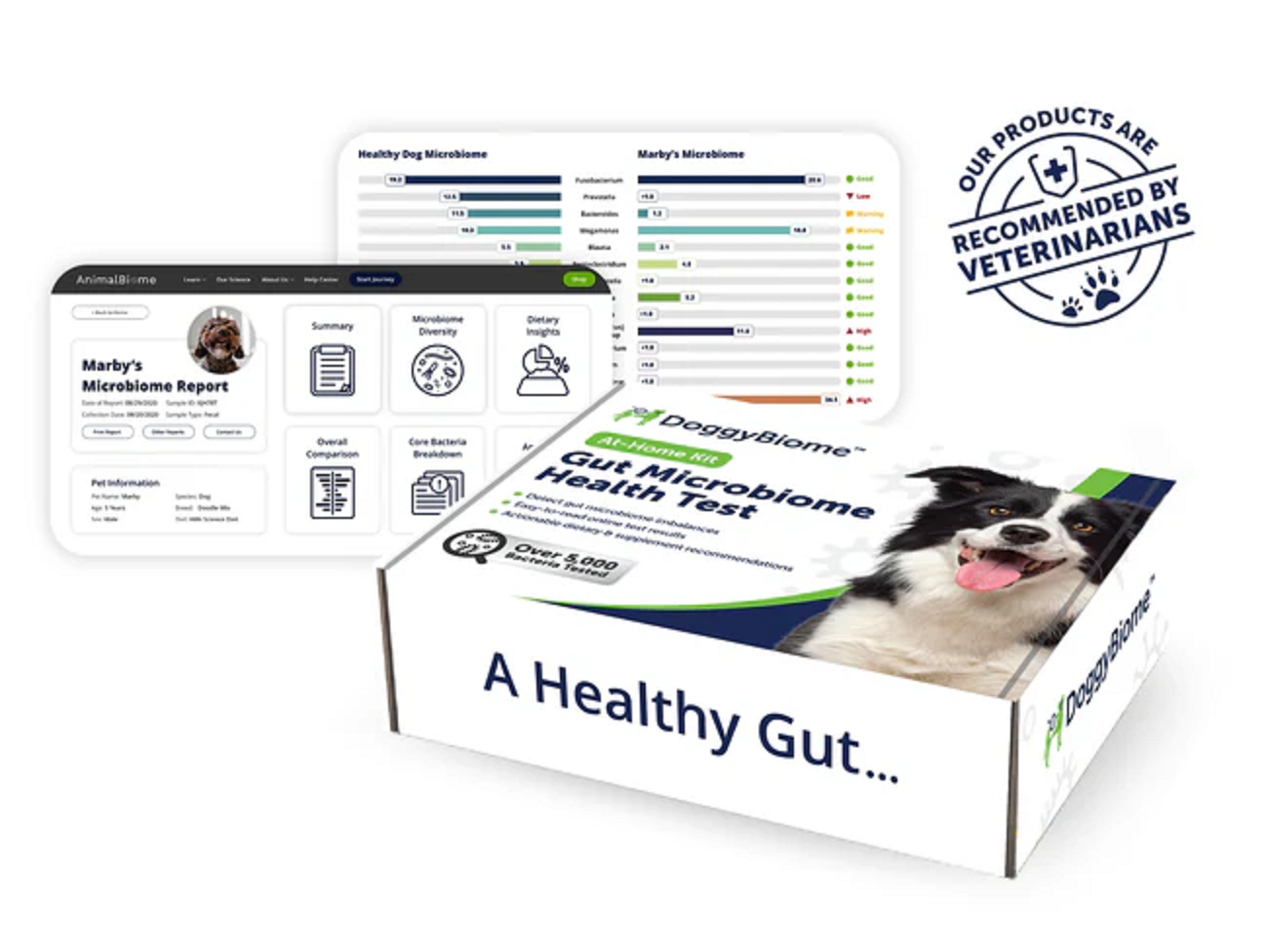
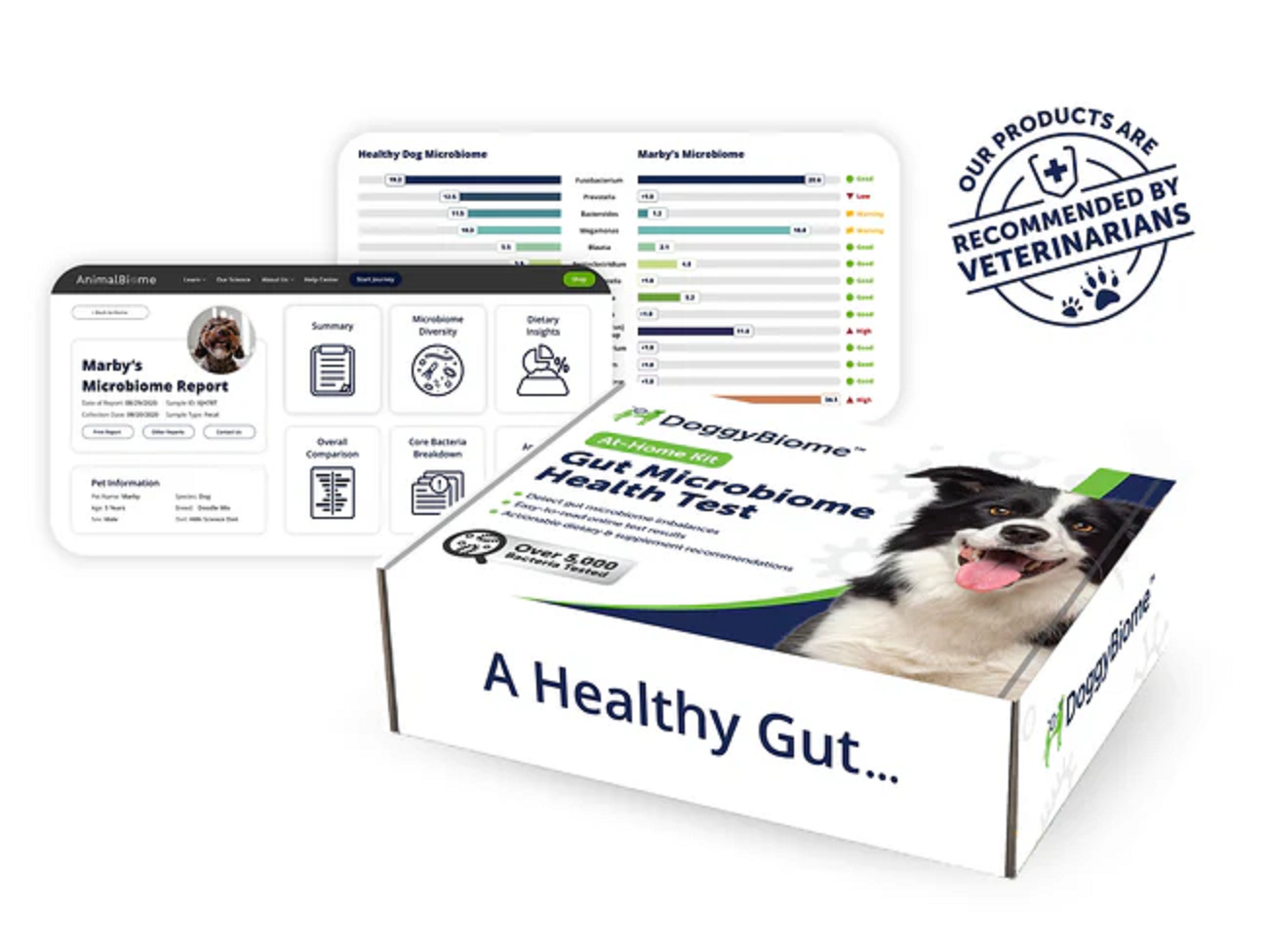
In addition to a detailed explanation of your pet’s microbiome test results, the report you receive also includes personalized recommendations — such as dietary adjustments, supplements, and lifestyle changes — to improve your pet’s health and relieve symptoms. If your pet has been diagnosed with a chronic digestive or skin issue, the test report will provide actionable information for you and your veterinarian.

Learn more about Testing Your Cats & Dogs Gut Microbiome


Restore

If your cat or dog suffers from diarrhea, vomiting, or itchy skin, their symptoms may be related to an imbalance in the gut microbiome. Approaches to balance, support, and strengthen the gut microbiome of pets include diet, prebiotics, probiotics, and fecal microbiota transplantation (FMT). Your pet’s Gut Health Test report will tell you whether you need to add key bacteria that are missing, remove harmful bacteria (pathogens) from the mix, or rebalance the existing populations to achieve better proportions.


Adding Key Bacteria

Many cats and dogs with digestive problems, skin issues, or other symptoms turn out to be missing certain important gut bacteria. In these cases, we need to add those missing bacteria to the microbiome and help those new populations grow and thrive.

Probiotic products contain beneficial microorganisms, but even the leading probiotics can’t restore an imbalanced microbiome. Fortunately, there’s a better option. A growing body of research has found that fecal transplants can help improve several different gastrointestinal disorders (as well as many other conditions) by changing the gut microbiome.

So What Exactly Is a Fecal Transplant?

Also called fecal microbiota transplantation (FMT), a fecal transplant is the process by which stool from a healthy donor is transferred to the intestines of a sick recipient. The stool from the donor contains a healthy community of bacteria that can take up residence in the sick recipient’s gut. In human medicine, for example, FMT is used to treat C. difficile (aka C. diff) infections.

AnimalBiome DoggyBiome™ and KittyBiome™ Gut Restore Supplements (fecal transplant in an oral capsule) provide a whole community of healthy cat- or dog-specific bacteria, sourced directly from carefully screened donor animals. By seeding your pet’s microbiome with all the right microbes in the right proportions, AnimalBiome supplement can help reestablish balance and resolve symptoms.

*Note that Gut Restore Supplement is currently not available in Singapore.


In a study, AnimalBiome gave 72 cats and 40 dogs with inflammatory bowel disease (IBD) a 25-day course of Gut Restore Supplement. After finishing the course of capsules, 83% of the cats and 80% of the dogs had improved symptoms. Appetite also increased for a quarter of the cats and half of the dogs. Researchers continue to learn about the therapeutic benefits of FMT for many different health issues, and this study showed that even for pets with chronic conditions like IBD, FMT can improve symptoms and increase quality of life.

Removing Harmful Bacteria

If your pet’s Gut Health Test report shows an overgrowth of harmful bacteria, restoring balance may require reducing or removing those troublemaking bacterial groups.

One way to remove harmful bacteria from the mix is through “competitive exclusion.” When the “good” microbes compete successfully and multiply, they take resources away from the “bad” microbes, which gradually die out. Good microbes can be added to the gut microbiome via FMT. Competitive exclusion is thought to be the primary mechanism at work in the successful use of FMT for recurrent C. diff infections in humans.

Sometimes competitive exclusion on its own can’t win control back from the pathogens causing your pet’s symptoms. In these cases, the introduction of an array of healthy gut microbes will be much more likely to have a positive result if we first knock out particular harmful bacteria with bacteriophages or antibiotics.

Does Your Pet Need Help for Occasional Diarrhea Flare-Ups?

Bacteriophages are “friendly” viruses that attack specific types of bacteria. Some bacteriophages, for example, specifically target E. coli. One of the ingredients in AnimalBiome GMP product is a prebiotic bacteriophage cocktail called PreforPro®, which helps reduce harmful levels of E. coli bacteria so that the beneficial bacteria in your pet’s microbiome have more room to grow.

GMP also contains Saccharomyces boulardii (S. boulardii), a yeast-based probiotic, and mannan oligosaccharides (MOS), a prebiotic. S. boulardii has been shown to resolve diarrhea caused by antibiotics, and MOS has been shown to work synergistically with S. boulardii to improve intestinal health. Together, the three active ingredients in GMP can reduce temporary diarrhea caused by antibiotics, C. difficile, and E. coli.

Rebalancing the Populations

If the Gut Health Test report shows that your cat’s or dog’s microbiome contains all the right players but not in the right proportions, rebalancing those resident bacterial groups can improve your pet’s digestion and overall health.

Simple changes to your pet’s diet may be enough to restore balance. The personalized recommendations in the Gut Health Test report will explain exactly what specific nutritional changes can do for your pet. Adding more protein to the diet, for example, supports the growth of the important Fusobacteria group, which do best in a high-protein environment.

If dietary changes and prebiotic supplements aren’t enough to correct the proportions among your pet’s gut bacteria, a course of Gut Restore Supplement can fill in missing bacterial groups and crowd out harmful ones, allowing the members of the microbiome to reestablish a healthy balance.

Learn more about Restoring Your Cats & Dogs Gut Microbiome


Maintain

Once your cat’s or dog’s microbiome has been rebalanced and any symptoms have been resolved, you can help your pet stay healthy and happy by feeding a high-quality diet. AnimalBiome also recommend retesting your pet’s gut health at least once a year, especially if signs of chronic digestive or skin issues return and after any antibiotic use.


Ongoing Gut Support

Some pets, especially older animals and those with chronic health conditions, may need daily supplementation with prebiotics or postbiotics to help the microbiome stay in balance. While prebiotics provide food for beneficial gut bacteria, postbiotics—healthy byproducts of those bacteria’s metabolic activity—also benefit the gut, especially by helping to reduce inflammation.

AnimalBiome DoggyBiome and KittyBiome S. boulardii + FOS Powder combines the prebiotic Fructooligosaccharides (FOS), which has been shown to improve both gut health and immune function, with S. boulardii, a special probiotic yeast. Together, these ingredients help to prevent and reduce diarrhea, improve stool consistency, promote healthy skin, and support gut function.

Even with the best nutritional support, any cat or dog can suffer occasional diarrhea flare-ups. Our GMP product can help reduce temporary diarrhea caused by antibiotics, C. difficile, or E. coli.

For dogs, AnimalBiome also recommend our DoggyBiome™ ImmuneShield Chews, which are specially designed to improve a dog’s immune function, reduce systemic inflammation, address seasonal allergies, and promote gut health. The active ingredient, EpiCor® Fermentate, is a postbiotic formulation that has been clinically shown to increase and improve immune function.

We know that certain health issues can keep a pet’s microbiome permanently out of balance. Many kinds of cancer, for example, disrupt the gut microbiome. Genetic factors may also affect the gut’s microbial balance. In such cases, Gut Restore Supplements can help minimize symptoms and may be an ongoing element of your pet’s care.

Learn more about Maintaining Your Cats & Dogs Gut Microbiome

Learning About The Microbiome

Access The Microbiome

What Microbiome Testing Can Tell You About Your Pet's Health

In both humans and animals, the gut microbiome is a community of trillions of bacteria and other microorganisms that live in the digestive tract and is important for numerous aspects of overall health, including proper digestion and a strong immune system.

Different types of beneficial bacteria in the gut play different roles, so when some bacterial groups are missing or the various populations are out of balance (not present in the right amounts), the microbiome can’t perform all of its important functions.

The result can be a variety of distressing symptoms, such as diarrhea, constipation, bloating, skin problems, obesity, and even behavioral issues.

Gut microbiome testing can give you valuable information about what’s going on in your pet’s gut, reveal bacterial imbalances that may be causing troublesome symptoms, and even show you how to prevent potential health problems before they start.

What Is Microbiome Testing?

In human medicine, microbiome testing is increasingly seen as a promising diagnostic tool. Studies have found that dysfunction or imbalance of the human microbiome is associated with a variety of conditions—including irritable bowel syndrome (IBS), Crohn’s disease, colitis, inflammatory bowel disease (IBD), obesity, type 2 diabetes, anxiety, and depression.

Extensive research now focuses on the gut microbiome as a source of innovative treatments as well as new diagnostic approaches for these health conditions. And in just the last few years, multiple healthcare companies have begun offering at-home microbiome test kits that allow people to learn about their own gut microbiome.

Although there’s much scientists still don’t understand about the microbial ecosystem of the gut, people are seeing the value of gut microbiome testing as a way to gain insight into their digestion and overall health.

Microbiome Testing for Cats and Dogs

And just as there is value in human testing, there is value in testing your pet to find out the status of their gut health, especially if they’ve been treated with antibiotics. Antibiotics are known to cause both short- and long-term changes to the bacterial community in the gut microbiome of humans and animals alike.

Microbiome testing for Dogs and Cats: If your cat or dog has diarrhea or itchy skin problems they may have a bacterial imbalance.

After realizing how many cats and dogs suffered from chronic diarrhea, digestive disorders, and skin issues, AnimalBiome wanted to understand how the microbiome was involved. So our founder, Holly Ganz, PhD, pioneered the first-ever at-home gut microbiome tests for cats and dogs. Starting with a citizen-science project, Holly and her collaborators put out a call for microbiome samples to study, offering each participant a detailed analysis of their pet’s gut bacteria. And with the help of many pet parents and their beloved four-legged friends, the stool samples came rolling in.

Your pet’s poop is about 50% microbes. So even a small sample of poop provides a lot of information about your cat’s or dog’s unique gut microbiome.

AnimalBiome Has the Largest Database of Cat and Dog Microbiome Samples

Because of pet parents like you, who want to advance microbiome science and provide better health solutions for pets, we have collected and analyzed more than 15,000 fecal samples from cats and dogs. Out of those, we have assembled a subset that meet our criteria for healthy animals.

By studying those healthy samples, we’ve been able to build a picture of the specific bacterial taxa (groups) we can expect to find in the gut microbiome of a healthy cat or dog. See Our Science.

When you send us your pet’s stool sample, we look at how closely your cat’s or dog’s microbiome sample matches that set of expected bacterial groups. If your pet’s gut microbiome is already diverse and well balanced, it will look a lot like the healthy reference set.

But if not, the report will explain whether the solution is to Add beneficial bacteria, Remove pathogens, or Rebalance the existing populations. Learn how to Restore the Microbiome.

What Can I Learn About My Pet From Microbiome Testing?

Microbiome testing provides useful insights that no other current veterinary test can offer. If your cat or dog has digestive problems, itchy skin, or immune system issues, those symptoms might be related to a gut microbiome imbalance.

Find out what’s going on inside your pet’s digestive system:

Your pet’s unique microbial community - Using DNA sequencing, we identify all the types of bacteria living in your pet’s gut, giving you a detailed picture of your cat’s or dog’s unique gut microbiome.
Imbalances - If important bacteria are missing, the gut microbiome is out of balance. Identifying imbalances early allows you to make changes to your pet’s diet or lifestyle that can improve or prevent symptoms.
Your pet’s diet - Each gut microbiome is unique. Different pets need different dietary adjustments to support the growth of specific beneficial bacteria. Food recommendations based on your pet’s individual results will help you make simple changes that can improve their gut health and overall wellness.
Missing bacteria - A comparison of your pet’s results with the healthy reference set reveals whether your pet is missing any important bacterial groups. The absence may be a result of antibiotic use, diet, illness, or other factors.
Harmful bacteria - Microbiome testing can quickly identify any problematic groups of gut bacteria. These may be pathogens that don’t belong in a healthy pet’s gut or normal members of the microbiome that have grown too numerous.
Get to Know Your Pet From the Inside Out

How It Works

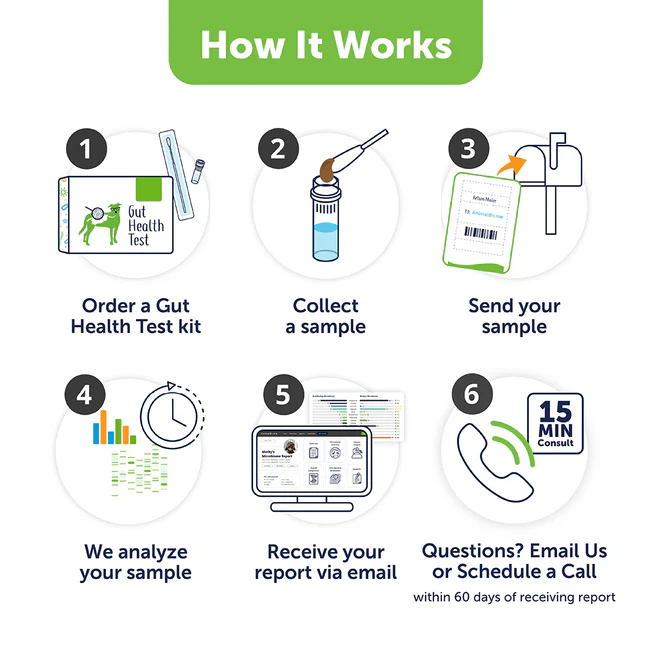
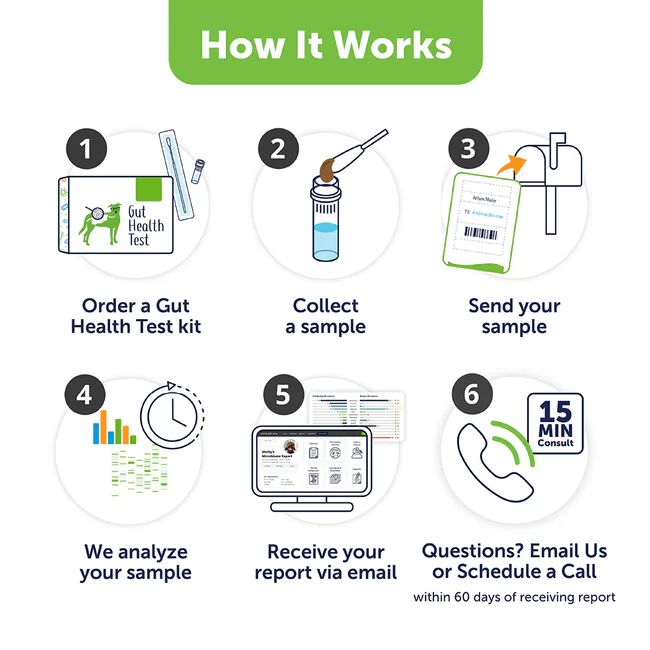
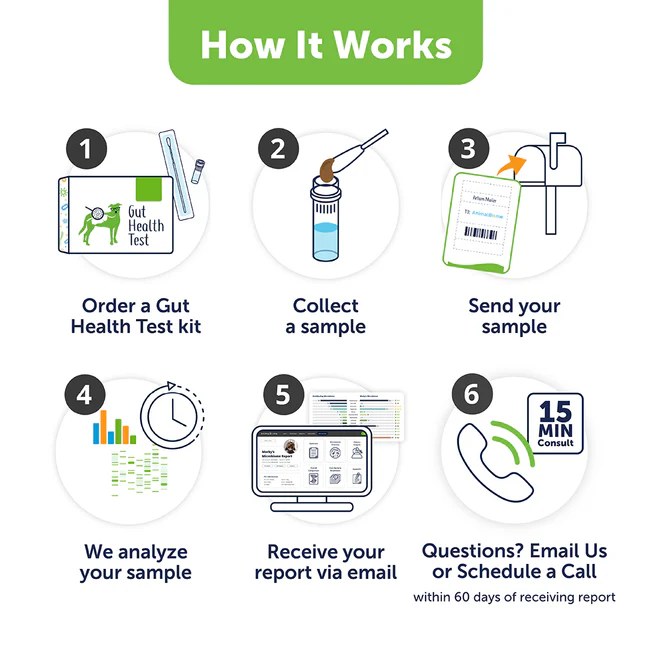
Our at-home cat and dog Gut Health Test kits make it easy:

Order a Gut Health Test kit. - Find out what’s really going on inside your cat or dog. (It may even be covered by your pet insurance.)
Collect a sample. - The microbiome test kit includes everything you’ll need to collect two pea-sized samples of your pet's poop. Be sure to register your pet’s sample and enter the six-character ID code listed on the instruction guide and/or sample tubes.
Send your sample. - The kit includes a pre-addressed envelope for US residents. For International pet owners, you will need to send your sample via your preferred courier vendor or option for our Expedited FedEx package.
We analyze your sample. - Using DNA sequencing, we identify the types and proportions of all the bacteria living in your pet’s gut and compare it to our healthy reference set.
Receive your report. - In about two-three weeks, you’ll receive an email notification that your test results are ready and can be accessed via our online Pet Portal. You’ll also receive personalized recommendations to improve your pet’s health.

Learning About Testing Your Pet's Gut Microbiome

Test Your Dog’s Gut Microbiome

Problems like diarrhea, vomiting, constipation, itchy skin, and even bad breath can be a sign of trouble in your dog’s gut microbiome. A diverse, well-balanced gut microbiome is essential for almost every aspect of your dog’s health and wellbeing. But when important groups of bacteria are missing or out of balance, some of the gut’s important functions stop working. If your dog suffers from digestive symptoms or skin issues, gut microbiome testing can often reveal the underlying cause.

What Is Gut Microbiome Testing for Dogs?

Gut microbiome testing means examining the bacteria and other microbes found in an individual stool sample. The bacteria in your dog’s stool sample offer a snapshot of their gut microbiome, the complex community of bacteria and other microorganisms living in the gastrointestinal tract.

How It Works

Our at-home DoggyBiome™ & KittyBiome™ Gut Health Test kit makes it easy:

Video Tour: What’s in the Test Report?

This video tour walks you through an actual DoggyBiome Gut Health Test report for Charlie, a 14-year-old dog with diarrhea.

This video tour walks you through an actual KittyBiome Gut Health Test report for Lilac, a 16-year-old cat experiencing vomiting and diarrhea.

What Can You Learn about Your pet’s Health from Gut Microbiome Testing?

Our DoggyBiome & KittyBiome Gut Health Test provides you with useful insights that no other current veterinary test can offer. If your pet has digestive problems, itchy skin, or immune system issues, those symptoms are often related to a gut microbiome imbalance. You will receive a detailed report with results you can use to help resolve symptoms and improve your pet’s health and happiness for a lifetime.

Find out what’s going on inside your pet’s digestive system:

In addition, gut microbiome testing can provide your veterinarian with useful data and actionable next steps, whether or not your dog has already been diagnosed with a health condition (like IBD or allergies).

What Happens after Your Dog’s Gut Microbiome Test?

Once we’ve analyzed your dog’s sample, you’ll be able to access the results online in an interactive report. We give you a lot of information about your dog’s individual gut microbiome, so don’t worry if you feel like you could use a little help understanding it all!

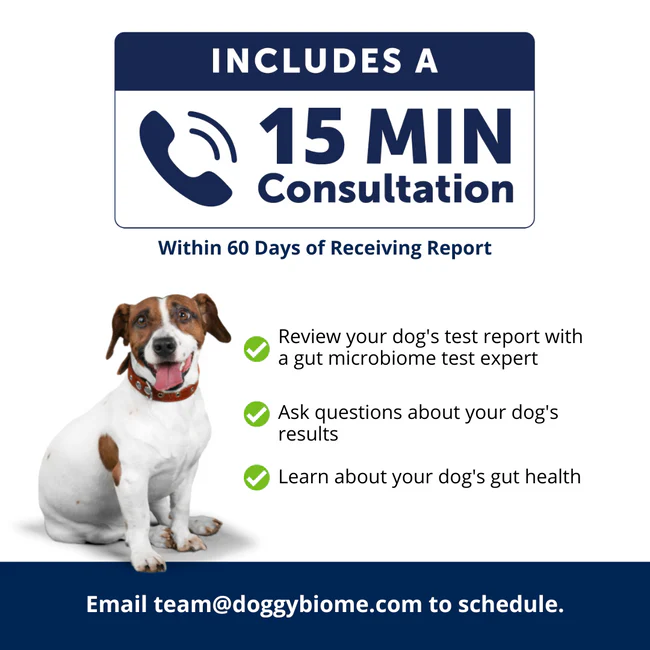
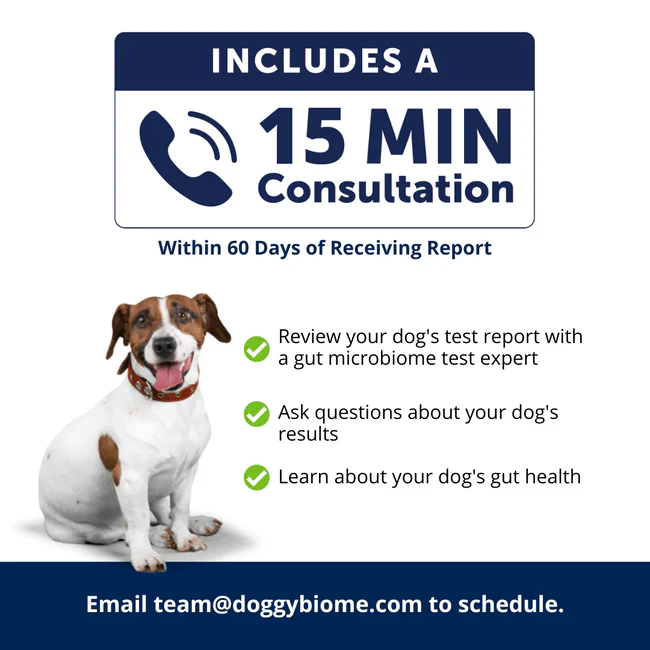
A 20-minute phone consultation is included in the price of the test kit. Just schedule your consult, and one of our Animal Care Specialists will review your dog’s results with you.

If your dog’s gut microbiome is already diverse and well-balanced, it will look a lot like the healthy reference set. That’s great! But if not, the report will explain whether the best solution for your dog is to Add beneficial bacteria, Remove harmful bacteria, or Rebalance the existing bacteria populations.

Learn more about restoring your dog’s gut health

Are AnimalBiome’s DoggyBiome Gut Health Tests Legitimate?

Like anything unfamiliar, gut health testing raises a lot of questions, and we often get asked whether it’s legitimate.

After analyzing the fecal microbiome (poop) samples from tens of thousands of cats and dogs, we can definitively say that AnimalBiome’s gut microbiome health tests are legitimate, providing accurate, actionable results. Just ask our customers, they’ve given our DoggyBiome Gut Health Tests hundreds of four- and five-star reviews.
See our reviews


Our Healthy Reference Set

We maintain the largest database of dog microbiome samples in the world. And based on our analysis of that large database, we’ve identified a “reference set” of all the types of bacteria we can expect to find in the gut of a healthy dog.

A pea-sized sample of dog poop contains roughly 1 billion bacterial cells. To test your dog’s gut health, we extract DNA from the bacteria in their sample, then use DNA sequencing to identify the different types of bacteria living in your dog’s gut, which we compare to our healthy dog reference set.
See Our Science


A Well-Established Diagnostic Tool

Gut microbiome testing is a well-established diagnostic tool in human medicine, where studies have found that gut microbiome dysfunction is associated with an amazing variety of health conditions — including inflammatory bowel disease (IBD), type 2 diabetes, and depression. In dogs too, problems with the gut microbiome have been identified as a factor in numerous health issues, including IBD, diabetes, allergies, obesity, and dementia.

That means looking closely at the gut microbiome can give us valuable information about what’s going wrong when your dog develops symptoms like diarrhea, gas, or itchy skin. (Microbiome testing is an especially useful tool if your dog has been treated with antibiotics, which are known to cause both short- and long-term changes to the bacterial community in the gut microbiome.)

Learning About Restoring Your Pet's Microbiome

Restore Your Dog’s Microbiome
How to Restore and Improve Your Pet’s Gut Health?

If your pet suffers from digestive or skin problems, the search for a solution can be frustrating. You’ve probably researched online, switched foods, tried prescription medications, and bought various supplements. But while many pets’ symptoms do improve in response to dietary changes or medication, other pets may experience only minor improvement (at best). Or their symptoms may go away but return after only a few weeks or months.

A key factor that may affect how your pet responds to treatment is the status of their gut microbiome — the community of microorganisms living inside the gastrointestinal (GI) tract, including bacteria, fungi, viruses, and protozoa (protists).

There is substantial scientific evidence that many health conditions — including inflammatory bowel disease (IBD), “leaky gut” syndrome, chronic diarrhea, allergies, atopic dermatitis, ulcerative colitis, and antibiotic-resistant Clostridium and Clostridioides infections (including C. diff infections) — have an element in common: an imbalanced gut microbiome.


What Is a Gut Microbiome Imbalance?

Research suggests that a diverse, well-balanced gut microbiome supports overall health and longevity by making your dog and cat more resilient to disease, environmental factors, parasites, and other potential threats to their wellness.

But many factors — including diet, pathogens, and medications (like antibiotics and steroids) — can disrupt your dog’s & cat's gut microbiome, leading to worrisome symptoms like diarrhea, constipation, bloating, weight loss, obesity, or itchy skin.

In many cases, pets with digestive problems, skin issues, or other symptoms are missing certain gut bacteria they need for healthy digestive and immune functions. Sometimes these beneficial bacteria are missing because they didn’t get passed along in their mother’s milk. Other times, “good bacteria” go missing because they are killed by antibiotic use or crowded out by the overgrowth of a pathogen (“bad bacteria”).

When all the beneficial gut bacteria your dog and cat needs aren’t present in the right numbers, the microbiome is out of balance. As a result, some of the gut’s important functions may stop working, leading to a variety of uncomfortable symptoms. Luckily, even in cases of serious imbalance, it is usually possible to restore the microbiome to a healthier state.


What Can You Do to Restore Your Pet’s Gut Health?

If your dog and cat suffers from the effects of a gut microbiome imbalance, restoring their gut health might require (a) adding beneficial bacterial groups that are missing, (b) removing harmful groups, and/or (c) rebalancing the existing bacterial populations to achieve healthier proportions.

There are many ways to restore diversity, strength, and balance to your pet’s gut microbiome. Some of the main approaches involve diet, prebiotics, and fecal microbiota transplantation (FMT).

This chart explains common microbiome conditions, potential causes, and ways to shift the microbiome:

Your Pet’s Diet Impacts Their Gut Health

Diet is the primary way to manage your pet’s gut microbiome. Good nutrition is one of the cornerstones of overall health and can help prevent common illnesses, boost the immune system, and positively influence the gut microbiome. There are thousands of different kinds of gut bacteria in your pet’s microbiome, and each kind requires certain nutrients to survive. Therefore, the food your cat and dog eats will influence which groups of bacteria thrive in the gut. Simple changes to your cat’s & dog's diet might be enough to restore balance.


Here are some things to consider when thinking about your pet’s diet:

  • Feed Enough Protein

Cats are obligate carnivores (meaning they have to eat meat to survive). For dogs, despite their long association with humans, dogs are still more carnivore than true omnivore, so both species, they need a diet that’s high in protein and low in carbohydrates. Adding more protein to your dog’s & cat's diet also supports the growth of the important Fusobacteria group, which do best in a high-protein environment.

If you’re feeding a diet that is nutritionally well balanced and yet your dog and cat still has digestive or skin health issues, it is possible that a food sensitivity (an intolerance or an allergy) is to blame. Food intolerances are quite common and can often be resolved by changing your dog’s cat's food. It is important to talk to your veterinarian before changing your pet’s diet, as some diets have been linked with certain health issues and to transition to new foods very gradually.

  • Avoid Diets That Are High in Carbohydrates 

Many kibble diets are too high in carbohydrates, so they don’t promote the growth of all beneficial bacteria. In a study where dogs were fed a high-protein, low-carbohydrate dog food, the microbiomes of overweight dogs shifted significantly, with important bacterial groups achieving the balanced numbers seen in dogs of a healthy weight. High-carbohydrate diets can also promote chronic inflammation, which may lead to additional health issues throughout the body.

The food you choose for your pet should contain at least 35% protein for dogs and 40% protein for cats on a “dry matter” basis. Also, be aware that diets labeled “grain free” or “gluten free” can still contain high levels of carbohydrates. Use this calculator to find the hidden amount of carbohydrates in your pet’s food.

  • Add Fermented Foods

Fermented foods — like yogurt, kimchi, kombucha, and sauerkraut — are probiotic foods, meaning that they are rich in live microorganisms (“good bacteria”) that are known to benefit human health. In small quantities, fermented goat milk is one probiotic food that also offers health benefits for pets. The kinds of bacteria found in goat milk and other fermented foods can help maintain a healthy pet’s gut flora, but they can’t provide the microbial diversity needed to correct an imbalance (dysbiosis).

  • Feed a Variety of Whole Foods Rich in Antioxidants

Antioxidants are compounds that support the immune system and prevent disease by getting rid of free radicals (reactive molecules that can damage the body’s cell membranes and even its DNA). The antioxidants found in food are typically polyphenols, which are produced by plants. These compounds feed beneficial gut microbes, increasing their numbers and also causing them to produce new substances (postbiotics) that promote the health of the whole body.

In people, higher intake of antioxidant-rich foods, such as fruits and vegetables, is associated with a lower risk of diseases related to chronic oxidative stress (such as glaucoma, cancer, Parkinson’s, and Alzheimer’s). Consider the ingredients included in your pet’s food and then talk with your veterinarian about how to add more antioxidant-rich foods to their diet.

  • Provide Adequate Fiber

Fiber also comes from plants (such as whole grains, vegetables, and fruits) and is another important element of your pet’s diet. Many soluble fibers are fermentable, which means the bacteria in the gut can consume them as a source of energy. Soluble fiber also helps keep your pet’s blood glucose at a healthy level. Insoluble fiber holds on to moisture and helps your pet form stool that’s not too hard and not too soft.

Some of the healthy sources of fiber commonly found in pet foods include beet pulp, oats, barley, peas, wheat bran, potatoes, apples, carrots, and pumpkin. If your pet suffers from either diarrhea or constipation, a little extra fiber can help. Inulin and psyllium are two fibers you can add (gradually) to your pet’s diet to help with stool consistency. And since they’re also prebiotics, these particular fibers help by providing food for beneficial gut microbes as well.

What about Probiotic and Prebiotic Supplements?

Probiotics

Probiotic supplements contain viable microorganisms (such as Lactobacillus and Bifidobacteria), but most commercially available probiotics — even the ones marketed for pets — don’t contain the particular kinds of microbes your dog needs. Such bacterial probiotics can sometimes improve symptoms temporarily, but the bacteria they contain are unlikely to take up permanent residence in your dog’s & cat's digestive system, so these products can’t do much to correct an imbalance.

However, there’s one probiotic supplement we do recommend. Saccharomyces boulardii is a probiotic yeast that has been extensively studied for its ability to promote digestive health, as documented in over 250 peer-reviewed articles to date. This particular probiotic has been shown to be particularly effective at resolving diarrhea caused by antibiotics. In a study of dogs with chronic intestinal disease, adding S. boulardii to the standard treatment (which included an antibiotic) resolved diarrhea within five days.


Prebiotics

Prebiotics are specific substances — such as inulin, fructooligosaccharides (FOS), mannan oligosaccharide (MOS), and certain other sources of fiber — that promote the growth of healthy gut microbes. Although many pet foods naturally contain these ingredients, supplementing your dog’s diet with extra prebiotics can be a helpful option. Studies in mice have shown that by shifting the composition of the microbiome, prebiotics can counteract the inflammatory effects of a high-fat diet. 

Although prebiotics provide a useful tool to shift the microbiome, in large amounts such supplements could also unintentionally promote the growth of unwanted bacteria. If you want to try prebiotic supplements, start with small doses to see how your dog responds.

If your dog’s microbiome imbalance is moderate to severe, dietary changes and prebiotics may not be enough. In these cases, a fecal microbiota transplant (FMT) may help. A growing body of research has found that fecal transplants can help improve several different gastrointestinal disorders (as well as many other conditions) by changing the gut microbiome.

What Is a Fecal Microbiota Transplant (FMT)?

A fecal microbiota transplant (FMT), also called a fecal transplant, is the transfer of stool from a healthy donor to the GI tract of a sick recipient. The stool from the donor contains a diverse, well-functioning community of gut microbiota (including thousands of different kinds of healthy species-appropriate bacteria) that take up residence in the recipient’s gut. FMT has been used in veterinary medicine since at least the 17th century and in human medicine for thousands of years. It is one of the best approaches for restoring a balanced gut microbiome and is proven as an effective treatment in both humans and animals.

In cats & dogs, an FMT can be delivered in a veterinary clinic via colonoscopy, enema, or endoscopy. Those procedures generally require sedation and can be costly for pet parents. Our KittyBiome™ and DoggyBiome™ Gut Restore Supplement is an oral FMT capsule that gives your pet the benefits of FMT without the need for surgery or sedation. The Gut Restore Supplements (aka “poop pills”) deliver viable bacterial cells native to cats in a proprietary mixture of carefully screened, cryoprotected, freeze-dried donor stool. Our FMT capsules offer a noninvasive, affordable, at-home alternative for pets.

*Note that Gut Restore Supplement is currently not available in Singapore.


How Can Fecal Microbiota Transplant Improve Your Pet’s Health?

By seeding your cat’s & dog's gut microbiome with all the right bacteria and other microbes in the right proportions, a fecal transplant can help reestablish balance and resolve symptoms caused by an imbalanced gut. A fecal transplant can fill in any missing types of important beneficial bacteria, reduce harmful bacteria, and increase diversity in your pet’s gut. And a diverse, balanced gut microbiome helps keep your cat and dog healthy in multiple ways, by supporting their digestion, immune function, skin health, cognitive functions, and more.


How Do the KittyBiome & DoggyBiome Gut Restore Supplements (FMT capsules) Work?

  • Add Good Bacteria

    When cats and dogs with digestive symptoms, skin issues, or immune system problems turn out to be missing certain groups of important gut bacteria, we need to add those missing members to the gut microbiome. 

    Unlike probiotics, our KittyBiome DoggyBiome Gut Restore Supplement provides a whole community of thousands of different kinds of bacteria and other microbes that are native to healthy cats & dogs. The capsule’s enteric coating prevents it from dissolving until it reaches the intestines, where the contents seed your cat’s and dog's gut with a diverse array of healthy “good” bacteria, restoring any missing groups.

  • Reduce Harmful Bacteria

    If your pet’s gut microbiome is out of balance because of an overgrowth of harmful bacteria, restoring balance will require reducing or removing those troublemaking groups.

    One way to remove harmful bacteria from the mix is through competitive exclusion via fecal transplant. When we provide the beneficial gut bacteria with plenty of the food they like to eat, they thrive and multiply. Their greater numbers then take up more of the available resources, leaving less for the harmful bacteria. Through this process, beneficial members of the gut can keep harmful members in check or even cause those “bad” bacteria populations to gradually shrink and die out. In human healthcare, for example, that’s how FMT works against C. difficile infections.

What Are Bacteriophages?

Sometimes competitive exclusion on its own can’t win control back from the harmful bacteria (pathogens) that are contributing to your cat’s symptoms. In these cases, fecal transplant is much more likely to have a positive result if we first knock out particular harmful bacteria with more targeted therapies, such as bacteriophages.

Bacteriophages (or phages for short) are “friendly” viruses that attack specific types of bacteria. Our GMP product contains a phage cocktail called PreforPro that resolves diarrhea by reducing harmful levels of E. coli or C. diff. A powerful blend of phages, prebiotics, and probiotics, GMP stops occasional cat & dog diarrhea flare-ups, taking harmful bacteria out of the mix so the beneficial bacteria in your pet’s microbiome have more room to grow.

  • Increase Diversity
    Our FMT capsules provide a diverse community of healthy cat and dog-specific bacteria, providing all the right types of bacteria in the right proportions. Diversity is important because each type of bacteria has a specific job to do to support the health of the body. The KittyBiome & DoggyBiome Gut Restore Supplements help resolve symptoms by giving your cat’s & dog's gut microbiome all the important members it needs to function well.


Learning About Maintaining Your Pet's Microbiome

How to Improve and Maintain Your Pet’s Gut Health

Your pet’s gut microbiome — made up of trillions of beneficial bacteria and other microbes that live in the gastrointestinal (GI) tract — is a complex, constantly changing ecosystem. The composition and behavior of the gut’s microbial community are influenced by a lot of factors, including age, diet, environment, and medications.

Some factors — like illness, parasite infections, genetic predisposition, and antibiotics — can interfere with the proper functioning of your pet’s microbiome, leading to troublesome symptoms like diarrhea, vomiting, bloating, constipation, or itchy skin. But the good news is that we can use other factors, like diet and supplements, to help the gut microbiome stay strong and healthy. Here are some ways to support and maintain a healthy gut.


Feed Your Dog and Cat a Healthy, Balanced Diet

A healthy diet is the best way to manage the gut microbiome. Since the bacteria that live in the gut help digest your dog’s and cat's food, what you feed your pet influences which groups of gut bacteria thrive and multiply.

  • Limit Carbohydrates

Some commercially available pet diets are highly processed foods that contain a lot of carbohydrates, which encourage the growth of particular groups of gut bacteria that love carbs. When these bacteria multiply too successfully, they can crowd out other important bacteria groups, reducing diversity in the microbiome. And some carb-loving bacteria groups are associated with excessive inflammation, which can cause a variety of problems throughout the body.

  • Feed Enough Protein

Cats are obligate carnivores (meaning they need to eat meat to survive), so their gut microbiomes function best on a diet that’s high in protein (containing more than 40% protein on a dry-matter basis) and low in carbohydrates.

Dogs are still carnivores, though in living closely with humans over thousands of years, they’ve developed the ability to metabolize a wider variety of foods. A balanced dog diet should be more than 35% protein on a dry-matter basis, should be low in fat, and should include healthy whole grains and other nutritious elements, such as fermented foods.

  • Include Fermented Foods

Fermented foods are considered probiotic foods because they contain “friendly” varieties of live bacteria. Since many groups of beneficial bacteria are produced by the fermentation process, fermented foods are an especially good source of these healthy microbes.

Your dog and cat can benefit from small quantities of yogurt, kefir, or fermented goat milk, as long as it’s unflavored and doesn’t contain any artificial sweeteners (which can be harmful to animals). Your dog can even have a little sauerkraut, as long as it’s low in salt. As with any new addition to your pet’s diet, introduce fermented foods very gradually over 7–10 days to avoid digestive upset.


Test Your Cat’s Gut Health

Regular assessments of your dog's and cat’s gut microbiome can help you keep up with any changes before they lead to symptoms. A Gut Health Test once a year — and after any antibiotic use — can tell you whether you need to adjust your pet’s diet, as well as which foods or supplements might be most helpful. If your animal has chronic health issues, like IBD or diabetes, more frequent microbiome testing can give you the information you need to help them live longer, happier lives.


Add Prebiotics, Probiotics, and Postbiotics

One way you can help promote the growth of healthy bacteria in your pet’s digestive tract is by supplementing their diet with prebiotics, probiotics, and postbiotics.

  • Prebiotics

Prebiotics are particular sources of dietary fiber that provide food for beneficial gut bacteria. Different bacteria eat different things, so by feeding the right prebiotics, you can encourage the kinds of gut bacteria that will promote your pet’s digestive health and overall wellness. Prebiotics have also been found to help counteract the inflammation caused by a high-fat diet.

Inulin is one prebiotic fiber that’s easy to add to your cat’s food (starting with small amounts). Another is mannan oligosaccharides (MOS), a prebiotic derived from yeast cells that has been shown to improve intestinal health. Fructo-oligosaccharides (FOS) — chains of sugars found in soybeans, Jerusalem artichokes, and asparagus — provide food for certain beneficial gut bacteria. FOS has the advantage of being especially palatable to dogs and cats.

  • Probiotics

Microorganisms (usually bacteria) that are consumed for their health benefits are called probiotics. Some probiotic products marketed for dogs and cats may temporarily improve diarrhea, but the bacteria they contain can’t rebalance a disrupted microbiome. That’s because even the leading probiotic products tend to contain large quantities of just a few kinds of bacteria, and usually not ones that are native to pets. 

Saccharomyces boulardii is a “friendly” strain of yeast that has been extensively studied for its probiotic effects, documented now in over 250 peer-reviewed articles. This particular probiotic has been shown to resolve diarrhea caused by antibiotics. In a study of dogs with chronic intestinal disease, adding S. boulardii to the standard treatment resolved diarrhea within five days.

By combining this probiotic yeast with prebiotic FOS, our KittyBiome™ and DoggyBiome S. boulardii + FOS Powder helps improve your pet’s stool consistency, reduce diarrhea, promote healthy skin, and support gut function.

  • Postbiotics

When gut bacteria feed on prebiotics, they break down those prebiotic fiber molecules through a process of fermentation. And that fermentation activity produces waste products, or byproducts, which are referred to as postbiotics. Certain postbiotics have been found to support good gut health in several ways, especially by helping to reduce inflammation.

Our tasty DoggyBiome™ ImmuneShield™ Chews contain a special postbiotic formulation called EpiCor® Fermentate, which has been clinically shown to increase and improve immune function.


Avoid Unnecessary Antibiotics

In some situations, antibiotics can be a valuable, even life-saving treatment. If your pet has a serious infection or an overgrowth of harmful bacteria, a course of antibiotics may be absolutely necessary. But because these drugs tend to kill a lot of beneficial bacteria along with the “bad bacteria,” antibiotics can make drastic, long-term changes in your pet’s gut microbiome.

So if your veterinarian recommends a course of antibiotics, it’s important to ask questions, including which particular bacteria the proposed antibiotic has been shown to work against and whether there are any alternative treatment options to consider.

If your animal does need antibiotics, there’s still a lot you can do to help them feel better during and after treatment. Because antibiotics disrupt the normal functioning of the gut microbiome, diarrhea is a common side effect. Our KittyBiome and DoggyBiome™ S. boulardii + FOS Powder is a daily probiotic and prebiotic supplement designed to reduce diarrhea, improve stool consistency, and support healthy gut function.

A substantial body of research has demonstrated that the probiotic yeast S. boulardii resolves diarrhea caused by antibiotics. And animal studies have shown that supplementation with prebiotic fructo-oligosaccharides (FOS) improves both gut health and immune functions.


Other Ways to Improve Your Cat’s Gut Health

The gut microbiome interacts with the body’s other systems in multiple ways, including the gut–brain axis, the system of chemical signals that allows constant communication between the gut and the central nervous system. That’s why the gut microbiome is involved in functions like mental health and cognition as well as digestion and metabolism. And while the gut affects all those different systems, those systems also affect the gut.

  • Exercise

One of the reasons exercise is so good for your dog's and cat’s overall health is that it’s good for their gut microbiome. Studies have shown that exercise promotes the growth of various kinds of beneficial gut bacteria, including those that reduce inflammation and help the body maintain a healthy weight.

  • Sleep

Sleep is also important for gut health. Researchers have found that good-quality sleep promotes greater diversity in the gut microbiome, which in turn supports the healthy functioning of the brain and immune system.


Extra Help for Older Dogs & Cats and Pets with Chronic Health Conditions

If your pet is older or has a chronic health condition, daily supplementation with prebiotics or probiotics can help the gut microbiome maintain its healthy balance.

We know that as animal age, their microbiomes change. We also know that certain health issues can keep an animal’s gut microbiota permanently out of balance. Many kinds of cancer, for example, disrupt the gut microbiome. Genetic factors may also affect the gut’s microbial balance. In such cases, FMT capsules can help minimize symptoms, so Gut Restore Supplements may be an ongoing element of your pet’s care.

Ongoing microbiome support is especially important for cats & dogs with chronic digestive disorders. For example, if your pet has inflammatory bowel disease (IBD), some steps you can take to manage their symptoms and help them feel better include gut health testing, prebiotic/probiotic or postbiotic supplements, and vitamin B12 injections. Repeated courses of Gut Restore Supplement FMT capsules and/or Gut Maintenance Plus can also help.

*Note that Gut Restore Supplement is currently not available in Singapore.

If your pet’s Gut Health Test finds high levels of E. coli or C. diff, which are both common causes of diarrhea, our KittyBiome and DoggyBiome (GMP) Gut Maintenance Plus can be especially useful. GMP stops occasional diarrhea flare-ups with a unique blend of prebiotics, probiotics, and phages. GMP contains MOS, which activates the immune system, binds to pathogens, and feeds good bacteria; S. boulardii, which has been shown to resolve diarrhea caused by antibiotics; and PreforPro, a blend of prebiotic phages that specifically reduces E. coli and C. diff populations.

Learning About Fecal Microbiota Transplant

Fecal Microbiota Transplant for Dogs & Cats.

What makes fecal microbiota transplant (FMT) a solution for many conditions and chronic symptoms (like diarrhea and itchy skin) in dogs & cats? “Fecal transplant” might sound strange or gross, but it’s actually a well-established treatment approach that has been used effectively in both animals and humans for a long time. 

In animals, FMT can help with chronic digestive symptoms like diarrhea, constipation, and vomiting, as well as skin issues, such as itching and hair loss. So what exactly is FMT?


What Is a Fecal Microbiota Transplant?

A fecal microbiota transplant (FMT), also called a fecal transplant, is the transfer of stool from a healthy donor to the gastrointestinal tract of a sick recipient. That transfer can be done in clinic (via colonoscopy, enema, or endoscopy) or with oral capsules. The stool from the donor contains a diverse, well-functioning community of bacteria that take up residence in the recipient’s gut.

By providing thousands of healthy, species-appropriate gut microbiota, FMT can resolve a variety of symptoms associated with imbalance or dysfunction of the gut microbiome—including digestive disorders like inflammatory bowel disease (IBD), chronic enteropathies, colitis, atopic dermatitis, and immune system issues. FMT even has the potential to correct obesity: several studies in mice have found that transplanting fecal material from lean mice into the intestines of obese mice transfers metabolic benefits, allowing the recipient mice to achieve a healthier weight.

Fecal transplant is one of the best approaches for restoring a balanced gut microbiome and is proven as an effective treatment in both companion animals and humans.


What Symptoms and Conditions in Dogs Can Be Improved with a Fecal Transplant?

As research continues into the connections between microbiome imbalances (dysbiosis) and health problems, we’re sure to learn about even more. In dogs and cats, fecal transplants have proven to be especially useful for the two health problems that account for 50% of visits to veterinarians (DVMs): digestive issues and skin issues.

  • Digestive Issues

Digestive symptoms in pets, such as diarrhea, constipation, vomiting, and weight loss, can have many different causes. If you and your veterinarian have already worked together to rule out other explanations (e.g., food sensitivities, parasites, infectious diseases like canine parvovirus, and underlying GI diseases like acute hemorrhagic diarrhea syndrome), the next thing to check is whether your dog and cat has an imbalanced gut microbiome (dysbiosis). An imbalance among the gut’s bacterial populations may occur as a result of age, diet, medications (especially antibiotics, such as metronidazole), or other factors. 

For example, the genus Escherichia (a group of bacteria that includes E. coli) can be a beneficial member of the community when it makes up only a small part of a dog’s and cat's gut microbiome. But an overgrowth of E. coli, can cause diarrhea and other uncomfortable digestive issues. FMT can resolve diarrhea quickly by introducing thousands of beneficial bacteria that crowd out the harmful ones, restoring healthy function to a pet’s digestive system.

  • Skin Issues

Research has shown that long-lasting or recurring skin issues in dogs and cats — such as red or itchy skin, hair loss, and recurrent ear infections — have a connection to the gut microbiome. That’s because skin conditions are often caused by a defective immune system response, and 70% –80% of the body’s immune cells live in the gut microbiome.

In addition to interfering with proper immune function, an imbalanced gut microbiome can cause the intestinal walls to become more permeable, or “leaky” (a factor that’s associated with food allergies). Both of these effects — a compromised immune system and a leaky gut — can show up in your dog & cat as skin problems. A dysfunctional gut environment is also more prone to inflammation, which can trigger hyperactive immune responses all over the body.

Itching and other skin problems may be a clue that your dog’s and cat's gut microbiome is missing some important bacteria groups. Learn more about testing your pet’s gut microbiome with a DoggyBiome™ and KittyBiome Gut Health Test.

Fecal Transplant in an Oral Capsule for Dogs and Cats - (Currently not available in Singapore)

In dogs and cats, FMT can be delivered in a veterinary clinic (via colonoscopy, enema, or endoscopy) or with oral capsules. In-clinic veterinary fecal transplant procedures can be expensive and usually require sedation. That’s why AnimalBiome developed its one-of-a-kind fecal transplant in an oral capsule, offering a convenient and safe approach to fecal transplant for dogs without the need for these expensive procedures. 

DoggyBiome™ and KittyBiome Gut Restore Supplement is an oral FMT capsule that gives your animal the benefits of FMT without the need for surgery or sedation. Our Gut Restore capsules (aka “poop pills”) deliver viable dog and cat-specific bacterial cells in a proprietary mixture of carefully screened, cryoprotected, freeze-dried donor stool. Stable at room temperature, the capsules offer a noninvasive, affordable, at-home alternative for dogs suffering from digestive, skin, or immune system issues.

In a study conducted by AnimalBiome, 40 dogs and 72 cats with IBD were given a 25-day course of our Gut Restore FMT capsules. Symptoms improved in 80% of the dogs, 83% of the cat, and half of the dogs and about a quarter of the cats also had an increase in appetite. This study demonstrates that even though FMT can’t cure IBD, it can be an effective tool to improve symptoms and increase quality of life for pets. And since there’s no known cure for IBD, these positive results from FMT are especially exciting and important.


How Do the KittyBiome & DoggyBiome Gut Restore Supplements (FMT capsules) Work?

By “seeding” your cat’s and dog's gut microbiome with all the right bacteria in the right proportions, our FMT capsules can help reestablish balance and resolve symptoms.

  • Add Good Bacteria

    When cats and dogs with digestive symptoms, skin issues, or immune system problems turn out to be missing certain groups of important gut bacteria, we need to add those missing members to the gut microbiome. 

    Unlike probiotics, our KittyBiome DoggyBiome Gut Restore Supplement provides a whole community of thousands of different kinds of bacteria and other microbes that are native to healthy cats & dogs. The capsule’s enteric coating prevents it from dissolving until it reaches the intestines, where the contents seed your cat’s and dog's gut with a diverse array of healthy “good” bacteria, restoring any missing groups.

  • Reduce Harmful Bacteria

    If your pet’s gut microbiome is out of balance because of an overgrowth of harmful bacteria, restoring balance will require reducing or removing those troublemaking groups.

    One way to remove harmful bacteria from the mix is through competitive exclusion via fecal transplant. When we provide the beneficial gut bacteria with plenty of the food they like to eat, they thrive and multiply. Their greater numbers then take up more of the available resources, leaving less for the harmful bacteria. Through this process, beneficial members of the gut can keep harmful members in check or even cause those “bad” bacteria populations to gradually shrink and die out. In human healthcare, for example, that’s how FMT works against C. difficile infections.

  • Increase Diversity
    Our FMT capsules provide a diverse community of healthy cat and dog-specific bacteria, providing all the right types of bacteria in the right proportions. Diversity is important because each type of bacteria has a specific job to do to support the health of the body. The KittyBiome & DoggyBiome Gut Restore Supplements help resolve symptoms by giving your cat’s & dog's gut microbiome all the important members it needs to function well.

Most Dogs and Cats Experience Improved Symptoms in a Few Weeks

While outcomes vary, positive results — such as better-formed stool, improved appetite, and less itching — are often seen within a few weeks. In dogs and cats with severe gut microbiome imbalances, it may take longer to see improvement. Depending on a pet’s age and underlying health conditions, the process of establishing all those newly introduced groups of good bacteria can sometimes take two or three months.


Is Fecal Transplant Safe for Dogs?

Our DoggyBiome and KittyBiome Gut Restore Supplement is an effective, noninvasive approach that provides the benefits of a fecal transplant in pill form, without the need for surgery or sedation. The healthy dogs and cats that serve as AnimalBiome’s donors must pass a rigorous selection process, including DNA testing for microbiome composition, and all donor material is extensively screened for pathogens and parasites.

Though fecal transplants delivered via colonoscopy, enema, or endoscopy have been shown to help with multiple health conditions, in both humans and pets, there are some risks with these methods.

If the donor stool is not properly screened, there’s a chance that pathogens and/or parasites could be passed on to your animal. If you choose to have a fecal transplant procedure performed by a veterinarian, it’s important to ask about their screening process for the donated fecal material. In addition, more invasive FMT procedures generally require sedation, which has its own risks and complications.


What Makes AnimalBiome a Leader in FMT for Dogs and Cats?

AnimalBiome maintains the world’s largest fecal microbiome stool bank for cats and dogs, and we lead the way in best practices for fecal transplants in companion animals. This includes rigorous screening of donor feces, as well as screening of the donors themselves for health, medication history, behavior, and gut microbiome composition. These practices are important both for the success of the fecal transplant and for the safety of the animals involved.

We’ve also set the benchmark for how to conduct pet microbiome studies and helped pet food companies determine whether their products are microbiome-friendly. 

See our article published in Frontiers in Veterinary Science on Best Practices for Microbiome Study Design in Companion Animal Research


Where Do We Get the Material for Our Fecal Transplant Capsules?

Our DoggyBiome and KittyBiome Gut Restore Supplement is derived from stool donated by healthy dogs and cats that live in homes and meet the following criteria:

  • no current or prior health issues
  • no antibiotic treatment in the prior six months
  • diverse, species-rich gut microbiomes (based on DNA sequencing)
  • good fecal consistency
  • healthy body weight
  • good temperament

Donor dog and cat fecal samples are submitted for parasite and pathogen screening to the Idexx Reference Laboratories, a leading veterinary diagnostics company, which has stringent quality control guidelines and well-validated standard operating procedures.

All donor dog and cat material is regularly screened for parasites and pathogens: 

  • Dogs and cats are screened for the following pathogens via PCR: Clostridium perfringens CPnetEF toxin gene, Clostridium perfringens Enterotoxin Gene, Campylobacter coli, Campylobacter jejuni, canine distemper virus, canine enteric coronavirus, canine parvovirus 2, canine circovirus, Clostridium difficile toxin A, Clostridium difficile toxin B, Cryptosporidium spp., Giardia spp., Salmonella spp.
  • Dogs and cats are screened for the following parasites via ELISA: hookworms, roundworms, and whipworms.
  • Dogs are screened for ova and parasites using fecal flotation.


How Long Has FMT Been Used in Animals?

FMT has been used in large-animal veterinary medicine since the 17th century. (In cattle and horses, the practice is often called “transfaunation.”) Since the mid-20th century, FMT’s success against C. difficile infections in humans has led to an expansion of this approach into small-animal veterinary medicine, especially as a treatment option for chronic diarrhea in cats and dogs.

Many animal studies have shown that FMT can help resolve diarrhea — caused by inflammatory bowel disease (IBD) or parvovirus (parvo), for example — as well as skin issues like atopic dermatitis.


How Long Has FMT Been Used in Humans?

FMT has been used in human medicine for thousands of years. The transfer of fecal material from a healthy person to a sick person to cure disease goes back at least as far as fourth-century China and has been performed for hundreds of years throughout Europe. The practice gained momentum in the United States in the 1950s and has become an increasingly widespread treatment method with well-documented success.

The nonprofit OpenBiome has the world’s largest stool bank for humans, and one of the organization’s main objectives is to expand safe access to FMT. (The OpenBiome website includes a useful video about how FMT works.)

Though modern regulatory entities like the Food and Drug Administration (FDA) are still determining how to classify it, FMT continues to demonstrate beneficial results for a growing list of human health conditions. 

For example, FMT is routinely used in human medicine to treat Clostridium difficile infections (C. diff). And it has proven to be the most promising solution for the low gut bacterial diversity associated with Crohn’s disease (a form of IBD). FMT has also been used successfully in clinical trials to reduce inflammatory events in people with multiple sclerosis (MS) and to treat the symptoms of autism. A recent study demonstrated that FMT can be used to stop the progression of type 1 diabetes in humans.

Gut Health Sample Test Report

When AnimalBiome receive your pet’s stool sample, AnimalBiome use their laboratory facilities to extract the DNA from all the bacteria in the sample. The fecal sample they ask for is about the size of a pea and will contain roughly one billion bacterial cells!

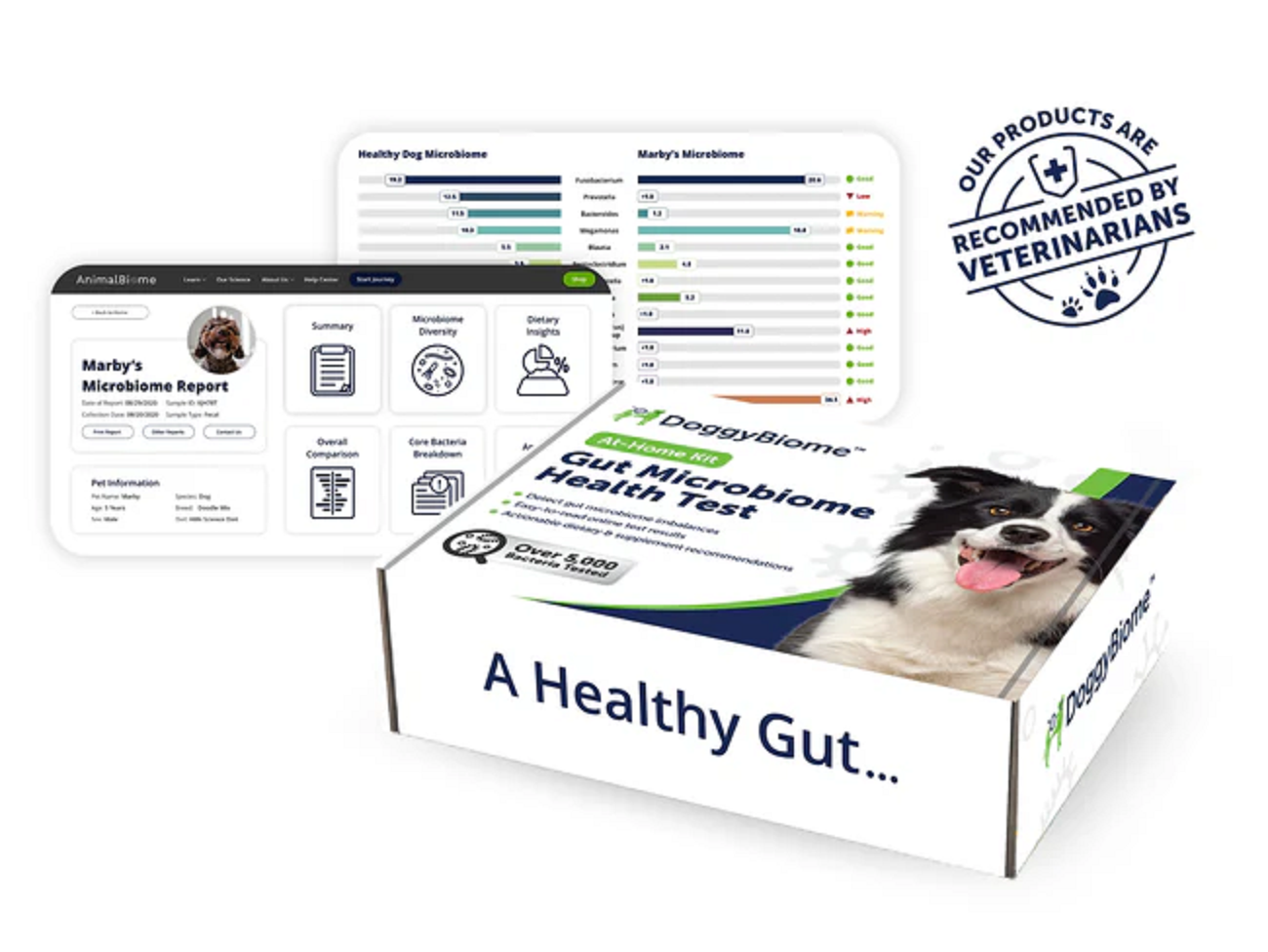
AnimalBiome then use powerful analytic software to interpret the results and provide the data to you (via email and online) in a simple dashboard. Generally, the more diverse the microbiome, the better.

When you access your Pet Portal account to view your pet's results, you can also see examples of microbiomes from other pets (if you are interested in comparing microbiome diversity). If you test your pet's microbiome over time, you'll be able to see any trends for your pet.

Here is the sample test report you will be expecting.

Also, watch the video below to see how to explore your pet's report.

This video tour walks you through an actual DoggyBiome Gut Health Test report for Charlie, a 14-year-old dog with diarrhea.

This video tour walks you through an actual KittyBiome Gut Health Test report for Lilac, a 16-year-old cat experiencing vomiting and diarrhea.

Interested in learning more about your dog’s and cat's gut microbiome test results? Email AnimalBiome at team@doggybiome.com or team@kittybiome.com with your questions or to schedule a 20 minute consultation with one of their gut microbiome test experts.

Backed By Science - AnimalBiome have identified the optimal microbiome make-up for healthy dogs & cats, and created science-backed products to Assess, Restore, and Maintain dog & cat's health.

Have more questions?
Contact AnimalBiome

Oral Health Sample Test Report


When AnimalBiome receive your pet’s saliva sample, they use our laboratory facilities to extract the DNA from all the bacteria in the sample.

AnimalBiome then use powerful analytic software to interpret the results and provide the data to you (via email and online) in a simple dashboard. Generally, the more diverse the microbiome, the better.

When you access your Pet Portal account to view your pet's results, you can also see examples of oral microbiomes from other pets (if you are interested in comparing microbiome diversity). If you test your pet's oral microbiome over time, you'll be able to see any trends for your pet.

Here is the sample test report you will be expecting.

Interested in learning more about your dog’s and cat's oral microbiome test results? Email AnimalBiome at team@doggybiome.com or team@kittybiome.com with your questions or to schedule a 15 minute consultation with one of AnimalBiome oral microbiome test experts.

Backed By Science - AnimalBiome have identified the optimal microbiome make-up for healthy dogs & cats, and created science-backed products to Assess, Restore, and Maintain dog & cat's health.

Have more questions?
Contact AnimalBiome

AnimalBiome FAQ
Products: Gut Health Test
Interested in a consultation to discuss the results of your pet's Gut Health Test?
You can schedule time with AnimalBiome AnimalCare team by navigating here: Schedule a Gut Health Consult
How fresh does the poop sample need to be for analysis?
For dogs, AnimalBiome recommend collecting a sample as soon as your dog poops, picking it up in a bag, and bringing it to your sampling area right away. For cats, the sample should be less than 8 hours old.
Do I need to discontinue supplements or medications before taking a poop sample for analysis?

When possible, AnimalBiome recommend discontinuing antibiotics and probiotics at least 24 hours before taking a poop sample for analysis.

Will my pet's sample be safe in the mail?

Once the sample is inside the specimen vial provided in your test kit, it is very well preserved. It can withstand the sometimes extreme temperatures found in the hottest months of summer and the coldest months of winter. 

And it's OK if it takes you several days to drop your completed mailer into a mailbox.

My pet is having diarrhea. Can I still send a poop sample for analysis?

Yes. AnimalBiome test has been carefully optimized to account for loose stool or diarrhea. When you collect the sample, try to cover as much of the swab tip as you can, and be sure to break off the swab tip and leave it inside the tube.

Products: Gut Restore Supplement (Currently not available in Singapore)
What is the Gut Restore Supplement?
The Gut Restore Supplement (fecal transplant in a capsule) provides a whole community of healthy cat- or dog-specific microbes that are sufficient to build a healthy microbiome and restore balance.
Do the Gut Restore capsules need to be given whole, or can I break them open and mix them with food?

Whenever possible, the capsules should be given whole, and should not be opened. This is because the outer capsule has an acid-resistant coating that protects the bacteria during their journey through the stomach. Without the outer capsule as protection, the bacteria may die in the stomach.

Why are some of my Gut Restore capsules different shades of brown?
The Gut Restore Supplement is a natural product that is gently preserved and processed. Small variations in diet, hydration status, or activity can result in capsules that are slightly different colors from one another.
Products: Gut Maintenance Plus
What are the ingredients of the Gut Maintenance Plus supplement?

The active ingredients of the Gut Maintenance Plus supplement are: Saccharomyces boulardii; Bio-MOS (Mannan Oligo Saccharides); PreforPro: LHO1-Myoviridae, LL5-Siphoviridae, T4D-Myoviridae, LL12-Myoviridae.

The inactive ingredients are: Inulin from Organic Jerusalem artichokes; Rice Hull; Rice Bran; Medium-chain Triglycerides (MCT). Capsules contain modified cellulase, pectin, and water.

What is the shelf life of the Gut Maintenance Plus supplement?

From the time the Gut Maintenance Plus supplement is shipped, there will be at least 3 months of shelf life remaining

How long should my pet take the Gut Maintenance Plus supplement?

The Gut Maintenance Plus supplement is intended for intermittent (on and off) use. On an ongoing basis, it is safe to use for up to 60 days at a time.

Products: Oral Health Test
Interested in a consultation to discuss the results of your pet's Oral Health Test?
You can schedule time with AnimalBiome AnimalCare team by navigating here: Schedule a Gut Health Consult
When is the best time to take an oral sample from my dog?
The best time to collect a sample is first thing in the morning, before feeding your dog. Food particles can contaminate the sample and make the results less accurate.
Pet Portal
How do I register my pet's sample?

Create an account at app.animalbiome.com. Complete your pet’s Pet Profile. Select the “Register Sample” button at the top of the page. Then, provide the information about the sample and hit “Submit.”

What if my pet's sample ID is not accepted?

If your pet’s sample ID is not accepted, first please double-check the ID code on the sample tube. If the ID is correct, please contact AnimalBiome so that they can identify the problem. Emailing them at team@animalbiome.com is generally the quickest way to get in touch; alternatively, you can give us a call at (888) 493-1727.

How do I create an account?

To create an account, please visit app.animalbiome.com. You will be prompted to enter your name, email address, and a secure password.

What if I forgot my password?

If you forget your password, AnimalBiome can help you reset it. Visit app.animalbiome.com and select “Forgot your password” at the bottom of the gray box. Enter your email address that you used to create the account, and then they will email you a link so that you can reset your password.

Where do I find my pet's sample ID code?

The sample ID code can be found in two locations: first, it is printed on the sample tubes themselves; alternatively, it can be found on the front cover of the provided instruction booklet.