.jpg?w=684&h=912)
By Judyvein Cheng, CPCN, BRNC
Certified pet nutritionist in Singapore
QUICK ANSWER
Healthy digestion shows in your pet's poop, energy, skin and coat. Digestion is where your pet absorbs nutrients, and the gut is also home to much of the immune system. This guide covers the signs to watch for and the simple, everyday basics that support good digestion, a practical place to start.
Why gut health matters
Nutrient absorption
Even the best diet is wasted if the gut can't absorb it.
Immunity
Much of the immune system lives in the gut.
Skin and coat
Many skin issues start in the gut.
Mood and brain
The gut and brain are closely connected.
What your pet's poop tells you
✓ Healthy: firm, well-formed, easy to pick up, and medium to chocolate brown
✓ Too hard and dry: often too much bone, too little moisture, or the wrong fibre balance
✓ Soft or runny: diet changes, food sensitivities, stress, or an upset gut
✓ Mucus: gut irritation
✓ Black, tarry or bloody: see a vet straight away
Signs of an unhappy gut
- Loose stools, constipation or scooting
- Gas, bloating or tummy gurgling
- Vomiting or bringing up bile
- Bad breath
- Itchy skin, ear problems or a dull coat
- Low energy or a picky appetite
Everyday basics for healthy digestion
A fresh, species-appropriate diet: whole foods that are easy to digest. Our PawNutrition can build one around your pet.
Moisture: fresh food and plenty of water keep digestion moving.
The right fibre: read my guide on fibre for dogs and cats.
Probiotics: to keep the gut bacteria balanced, such as Adored Beast Love Bugs. For species-specific support, there's Fido's Flora for dogs and Felix's Flora for cats.
Digestive enzymes: especially if your pet isn't fully raw fed, and sometimes even if they are. Read more below.
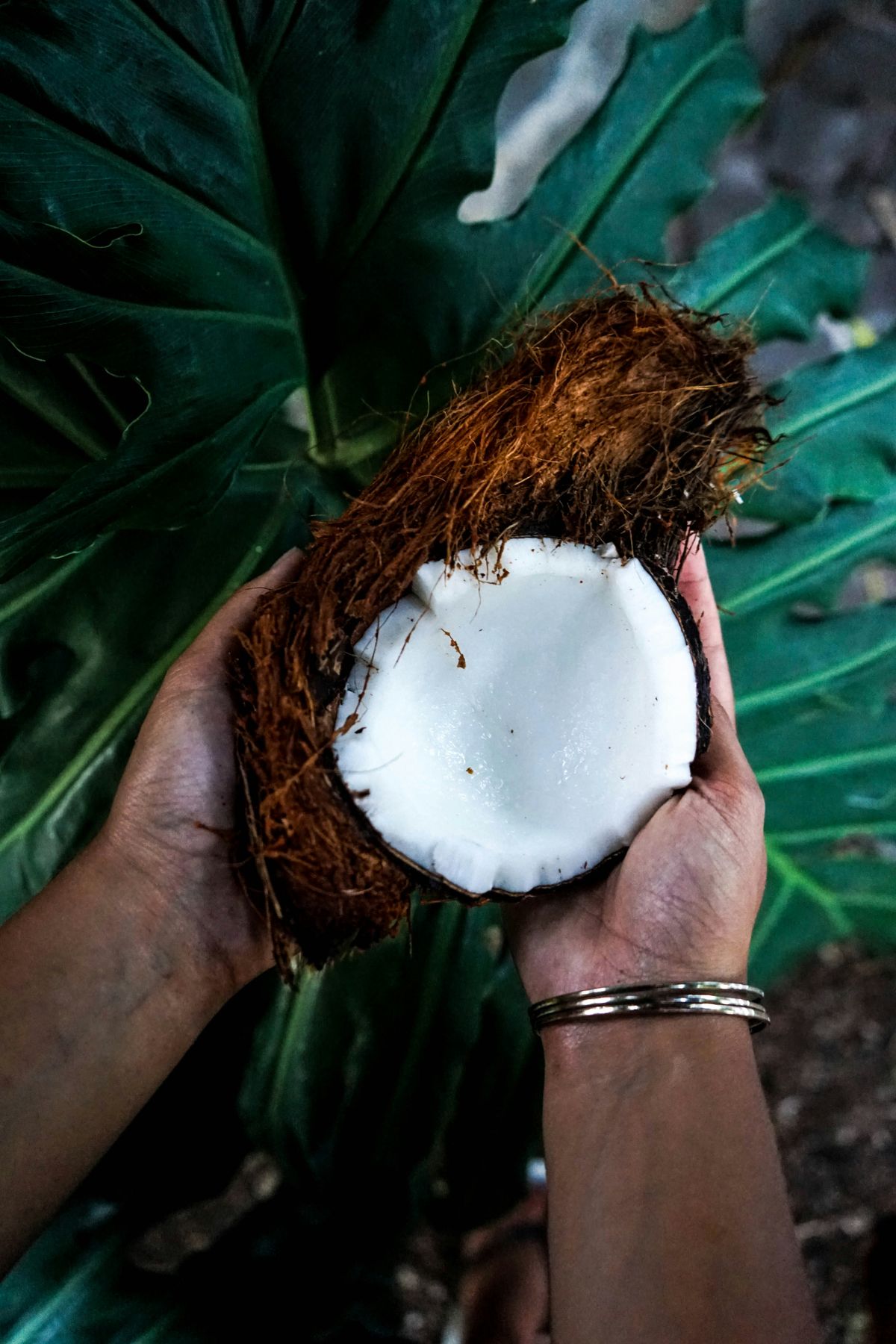
Healthy fats: gentle, easily digested coconut oil supports digestion. Read 4 ways coconut oil supports digestion.
Know their food sensitivities: a pet intolerance test helps you find foods that upset your pet's gut.
Slow changes: introduce new foods and supplements gradually.
Low stress: stress affects the gut too.
Why digestive enzymes matter
Enzymes break food down so the body can absorb its nutrients. Raw food naturally contains its own enzymes, but heat destroys them. Lightly cooked fresh food loses some, and heavily processed food has essentially none left.
Dogs and cats can only produce certain enzymes themselves. For pets who aren't fully raw fed, adding enzyme support helps lay the foundation for better nutrient absorption. Even raw-fed pets may still need enzyme support, depending on what their HTMA results show. More on HTMA below.
✓ For dogs: Dr Goodpet Canine Digestive Enzymes
✓ For cats: Dr Goodpet Feline Digestive Enzymes
How well is your pet absorbing their nutrients?
A good diet only helps if the body can absorb and use it, and minerals are the foundation of that. They're key to making sure everything else is absorbed properly.
A hair tissue mineral analysis (HTMA) shows your pet's mineral levels and balance. With her years of experience reading these results, Dr Ava Frick can also give insight into what your pet actually needs, such as their omega-3 and omega-6 balance, even though these aren't tested directly. The Dr Ava Frick HTMA test is a simple hair sample you can collect at home.
Natural support for tummy upsets
✓ At the first sign: Adored Beast Your Go-2 Recovery
✓ To soothe: Animal Essentials Slippery Elm or Colon Rescue
✓ To rebuild: a probiotic like Fido's Flora for dogs or Felix's Flora for cats
Cats and dogs are different
Cats are strict carnivores, with a shorter gut built for a high-protein, high-moisture diet. They need less fibre and plant matter than dogs, and they're more prone to dehydration on dry food.
More guides on gut health
- Coconut oil for dog constipation
- Why coconut fibre is so good for your pet's gut
- Does coconut oil harm your pet's good gut bacteria?
- Why is my dog scooting?
When to see a vet
See a vet if your pet has vomiting or diarrhoea lasting more than a day or two, blood in their stool or vomit, a swollen or painful belly, or seems lethargic or off their food.
Shop this article
This article is for educational purposes and isn't a substitute for veterinary care. If you're concerned about your pet's health, please seek professional advice.
ABOUT THE AUTHOR
Judyvein Cheng, CPCN, BRNC
Judyvein is a Certified Professional Canine Nutritionist and Certified Raw Nutrition Coach for Cats & Dogs, and the founder of JOOF Holistic Pet. Her journey began with her Frenchie, Wangcai, and today she helps pet parents in Singapore take a root-cause approach to their pets' health.
RELATED READING