.jpg?w=684&h=912)
By Judyvein Cheng, CPCN, BRNC
Certified pet nutritionist in Singapore
QUICK ANSWER
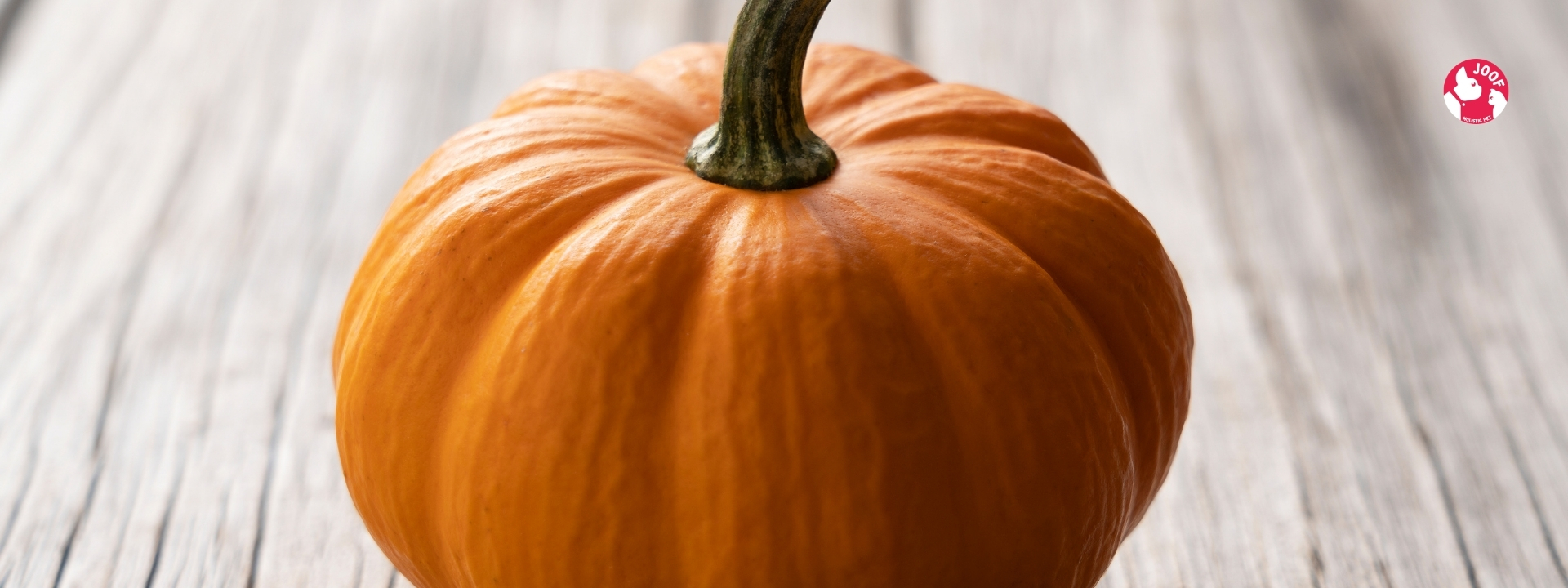
Yes, pumpkin is safe and very good for dogs. It's rich in fibre, vitamins and antioxidants, helps with both diarrhoea and constipation, and its raw seeds can help clear intestinal worms. Choose organic, plain pumpkin, and I recommend serving it puréed.
Can dogs eat pumpkin?
Yes. Pumpkin is safe, nutrient-dense and high in fibre, which supports healthy digestion. Most dogs love the taste too, which makes it easy to add to meals.
The benefits of pumpkin
Vitamins and minerals
Vitamins A, E and C support immunity, brain function, eyes and skin. Potassium, copper, manganese and iron support many functions in the body's cells.
Eye health
Pumpkin is high in beta-carotene, which the body turns into vitamin A for vision, immunity, and healthy skin and coat. Its zeaxanthin helps protect the eyes from light damage.
Antioxidants
Beta-carotene, zeaxanthin and beta-cryptoxanthin fight free radicals that can damage cells and DNA. They may lower the risk of cancer and degenerative disease and support bone health. Zeaxanthin may also slow ageing, support heart health, raise glutathione and calm skin inflammation. Read more in the best antioxidants for dogs and cats.
Worms
Pumpkin seeds contain cucurbitin, an amino acid that paralyses intestinal worms so they can be passed out. Studies in rats and puppies have shown this effect.
Fibre
Soluble fibre absorbs water to firm up loose stools, and softens hard, packed stools. It also helps your dog feel full for longer and can help prevent anal gland problems. Read more in why pets need fibre and what's the deal with scooting?.
How to feed pumpkin
Choose organic pumpkin whenever possible, to avoid pesticide residue.
Pumpkin flesh: give about ⅓ to ½ cup a day as part of a healthy diet, fresh or canned. Like all root vegetables, pumpkin should be gently steamed or cooked first, not fed raw. I prefer and recommend puréed pumpkin, as it's easier for dogs to digest and absorb, but cubed cooked pumpkin is fine too for dogs who like a chewier texture.
Fresh or canned? Canned pumpkin purée is more concentrated in fibre and nutrients, with less water. It's available all year and easy to store. Only buy plain pumpkin, never pumpkin pie filling, which has added spices, salt and sugar. Dog-specific canned pumpkin exists, but it costs more and has nothing extra in it.
Pumpkin seeds: they're rich in protein, zinc and magnesium, and also high in fat, so a little goes a long way, especially for dogs with sensitive pancreases. Whenever you use pumpkin seeds, use only raw, organic seeds, never salted or roasted snack seeds. Soak them first, dry them, then grind them before adding to food. For worms, add ½ teaspoon of ground seeds per 9kg (20lb) of body weight to food, once or twice a day, until you no longer see worms or eggs in your dog's poop. For ongoing parasite support, Glacier Peak Holistics Daily Defense is another option.

FROM MY EXPERIENCE
Both my dogs have had pumpkin seeds as part of their diet.
Wangcai and BeanBean were both on pumpkin seeds for general worm prevention, and as a natural source of zinc and magnesium too.
Pumpkin for diarrhoea or constipation
For mild cases, pumpkin is an easy fix:
✓ Diarrhoea: add 1 to 4 tablespoons of canned pumpkin to food for a few days, until stools firm up.
✓ Constipation: add 1 to 4 tablespoons of pumpkin to food, and make sure your dog drinks plenty of water, as dehydration can make constipation worse. Read more in coconut oil for dog constipation.
If there's no improvement within a couple of days, look for the underlying cause and consider other solutions.
A cooling pumpkin treat
Freeze pumpkin purée in an ice cube tray for a cooling treat on hot days. Pumpkin isn't just for Halloween: it's useful all year round. For more ideas, see frozen treats to keep dogs cool.
Frequently asked questions
Can cats eat pumpkin?
Yes, a small amount of plain pumpkin purée can help cats with fibre too.
Can pumpkin replace a dewormer?
Raw pumpkin seeds can help with worms, but keep checking your dog's poop, and talk to your vet if the worms don't clear.
Shop this article
This article is for educational purposes and isn't a substitute for veterinary care. If you're concerned about your pet's health, please seek professional advice.
ABOUT THE AUTHOR
Judyvein Cheng, CPCN, BRNC
Judyvein is a Certified Professional Canine Nutritionist and Certified Raw Nutrition Coach for Cats & Dogs, and the founder of JOOF Holistic Pet. Her journey began with her Frenchie, Wangcai, and today she helps pet parents in Singapore take a root-cause approach to their pets' health.
RELATED READING