.jpg?w=684&h=912)
By Judyvein Cheng, CPCN, BRNC
Certified pet nutritionist in Singapore
QUICK ANSWER
A healthy adult dog can usually go 3 to 5 days without food, as long as they're drinking water. But small dogs, puppies and sick dogs have much less leeway. Skipping a meal or two isn't usually a worry, but if your dog hasn't eaten for 2 to 3 days, or shows other symptoms, check in with your vet.
It's worrying when your dog won't eat. Here's how long is too long, what might be behind it, and what you can do.
How long can a dog go without eating?
Healthy adult dogs
Usually 3 to 5 days, with water. This is an average, not a guarantee.
Small dogs
They cope less well. Keep it to a maximum of 3 days.
Puppies
Young puppies, especially small breeds under 6 months, need several meals a day to avoid dehydration and low blood sugar.
Sick dogs
Skipping a couple of meals is normal with an upset tummy. After 2 to 3 days without eating, see a holistic vet.
After surgery
A few days of low appetite is common. If there's no eating after 3 to 5 days, speak to your vet.
A week without food
Go to the vet immediately. Healthy dogs usually start to develop problems after about 5 days.
Dogs often fast themselves when they're unwell, so don't push food on them. A 12 to 24 hour fast can actually help settle diarrhoea.
Why isn't my dog eating?
Pain or illness
Often comes with vomiting, diarrhoea or other symptoms. Dental problems, such as broken or loose teeth or sore gums, can also put a dog off food. More serious causes include cancer, liver or kidney disease, pain and infections, so have your vet investigate.
Vaccinations
Loss of appetite can be a side effect. It's usually mild and brief, but if it continues, contact your vet. A holistic vet or veterinary homeopath can help with vaccine reactions. Read more in vaccinosis in pets.
Medication
Antibiotics and other medications often reduce appetite, usually within a day or two of starting.
Stress or fussiness
A new home, travel or visitors can put a dog off food. Most settle and eat. If not, look for other causes.
Not eating, but acting normal?
If your dog is still drinking, happily taking treats and has normal energy, it may be a mild tummy upset, or they may simply not like their food. A recent diet change, or a change in a commercial food's formula or ingredients, can be the trigger. If it doesn't improve within a few days, try a different food or see a holistic vet.
What to do
If your dog has gone several days without eating, see your vet first to rule out illness. For picky, stressed or unsettled dogs, try these:
✓ Change the food: a different homemade recipe, a different protein, or a fresh food.
✓ Walk before meals to build an appetite.
✓ Change the bowl or the spot, such as a quiet corner or their crate.
✓ Stay calm and matter-of-fact. Take uneaten food away and offer it again later.
✓ Try one meal a day, which often suits picky eaters, or vary the feeding times.
✓ Cut back on treats for a while.
✓ Support the gut with pre- and probiotics. Read more in how to choose a probiotic for your dog.
✓ Offer bone broth or raw goat milk for extra nourishment.
If your vet finds an illness, treat the underlying cause. Prescription diets are often recommended, but they're often poor quality and not ideal long term. Fresh whole food, ideally raw, is a better foundation. Never force-feed your dog. In extreme cases, your vet may use a liquid diet, fluids under the skin, or a feeding tube.
FROM MY EXPERIENCE
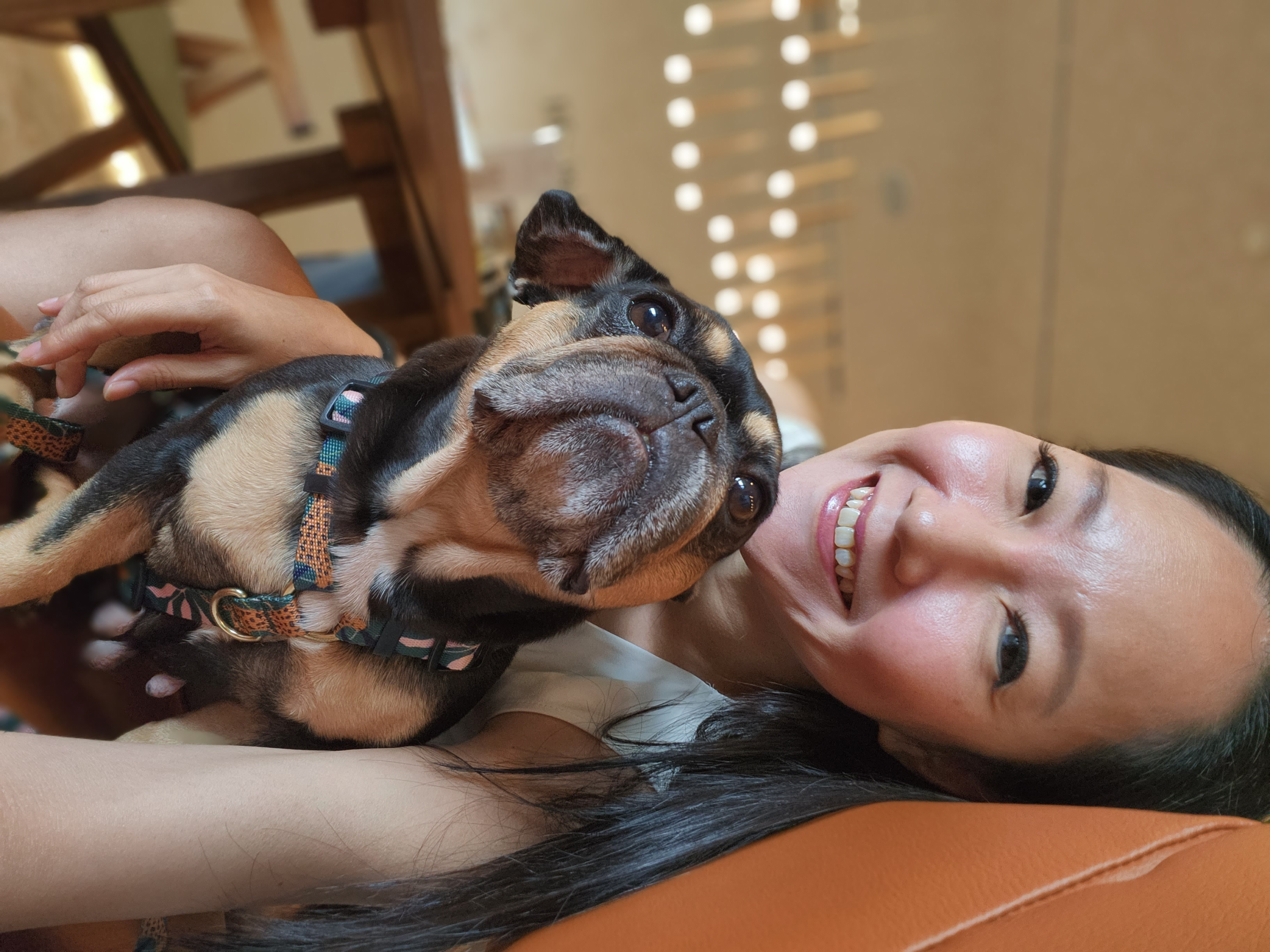
I don't do 24-hour fasts with my dogs. Instead, they have natural fasting gaps between meals every day.
Wangcai and BeanBean were both on the same schedule: breakfast at 7am and dinner at 6pm. That's an 11-hour gap during the day and a 13-hour fast overnight, which gives the gut a proper rest between meals.
I recommend leaving at least 8 hours between meals.
Frequently asked questions
My dog skipped breakfast but ate dinner. Should I worry?
Usually not. As long as your dog is drinking, has normal energy and eats again soon, an occasional skipped meal is normal.
Should I fast my dog?
A 12 to 24 hour fast can help settle diarrhoea in an adult dog. Never fast puppies or small dogs for long, and check with a holistic vet if your dog has a health condition.
Shop this article
This article is for educational purposes and isn't a substitute for veterinary care. If you're concerned about your pet's health, please seek professional advice.
ABOUT THE AUTHOR
Judyvein Cheng, CPCN, BRNC
Judyvein is a Certified Professional Canine Nutritionist and Certified Raw Nutrition Coach for Cats & Dogs, and the founder of JOOF Holistic Pet. Her journey began with her Frenchie, Wangcai, and today she helps pet parents in Singapore take a root-cause approach to their pets' health.
RELATED READING