.jpg?w=684&h=912)
By Judyvein Cheng, CPCN, BRNC
Certified pet nutritionist in Singapore
QUICK ANSWER
Coconut oil is gentler on the pancreas than most other fats, and introduced very slowly, it can even help support it. Its fats are mainly medium-chain triglycerides (MCTs), which the body digests differently from the long-chain fats in meat and most oils. The key for sensitive pets is going slowly, and I've seen this first-hand with my own dog, BeanBean.
What is pancreatitis?
Pancreatitis is inflammation of the pancreas, the organ that produces digestive enzymes. It can affect dogs and cats of any age or breed.
Common triggers include:
- A sudden high-fat meal, such as fatty table scraps
- Oxidised (rancid) fats, from old oils, fish oil that has gone off, or fried and heavily processed foods
- Obesity
- Certain medications
- Breed predisposition, such as in Miniature Schnauzers
It comes in two forms:
Acute pancreatitis
Comes on suddenly and can be severe or even life-threatening.
Chronic pancreatitis
Ongoing, lower-grade inflammation with flare-ups, and especially common in cats.
Signs in dogs: vomiting, a painful belly, a hunched "praying" posture, loss of appetite, diarrhoea and lethargy.
Signs in cats are often subtler: going off food, hiding, lethargy, and sometimes vomiting or weight loss.
Acute pancreatitis can be serious, so see a vet promptly if you notice these signs.
Why coconut oil is different from other fats
Most dietary fats are long-chain fats. These need pancreatic enzymes and bile to be digested, which puts more workload on the pancreas.
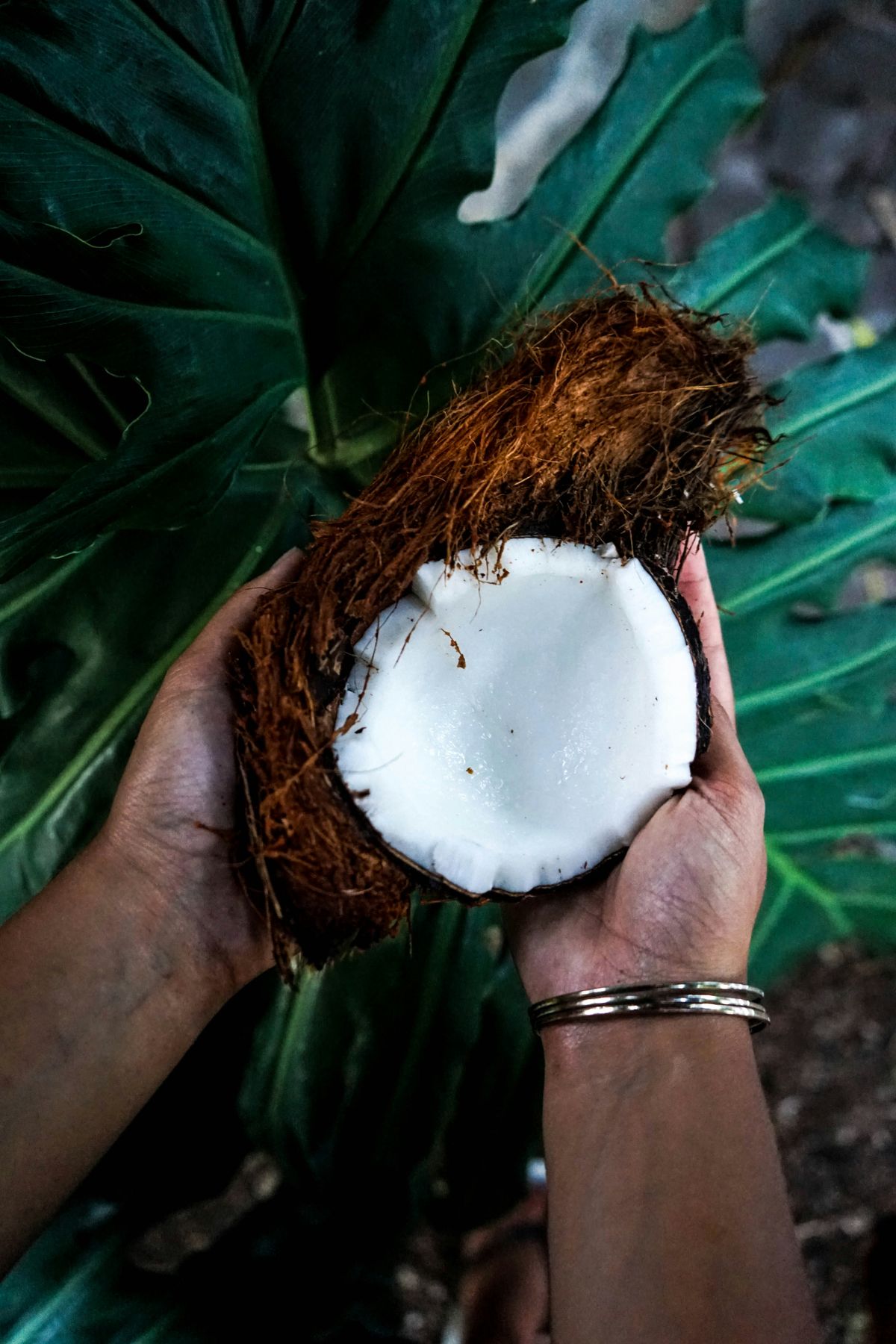
Coconut oil is rich in medium-chain fats. These are absorbed more directly and used quickly for energy, so they need much less help from the pancreas. That's why coconut oil is gentler than, say, fatty meat scraps or large amounts of fish oil, and why MCTs are often used as an easy-to-digest energy source for pets who need a low-fat diet.
Why avoiding fat completely isn't the answer
Many pet parents think a sensitive pancreas means cutting out fat and oils completely. But fat is essential. Your pet needs it to absorb the fat-soluble vitamins A, D, E and K and carry them into the cells, and for essential fatty acids that support skin, coat, brain and immunity. Avoiding fat completely over time can lead to deficiencies.
The goal isn't zero fat. It's the right kinds of fat, fresh and not oxidised, in the right amounts, introduced slowly.
Choose fats that stay fresh
Oxidised fats can do more harm than good, so how an oil is made and stored matters as much as which oil you choose.
✓ Choose glass bottles or capsules. Glass protects oil far better than plastic, and capsules keep the oil sealed from air until it's used.
✓ Be careful with fish oil in plastic bottles. Every time you open the cap, air gets in and the oil oxidises further. Oils can also draw chemicals out of plastic over time, which adds to your pet's toxic load.
✓ Know which oils are fragile. Flaxseed oil is one of the least stable oils and starts oxidising very quickly once it's pressed. Unless it's very fresh and kept refrigerated, it may already be rancid before it reaches the bowl.
✓ Store oils properly. Close lids tightly, keep oils away from heat and light, and throw out anything that smells off.
This is where coconut oil stands out. Its chemical structure is mostly saturated fat, which makes it naturally very stable and resistant to oxidation. Unlike fragile oils such as flaxseed or fish oil, it doesn't turn rancid easily. Combined with its pancreas-friendly MCTs, that's why I find a high-quality virgin coconut oil like CocoTherapy Organic Virgin Coconut Oil one of the most suitable fats for supporting the pancreas.
BeanBean's story
FROM MY EXPERIENCE
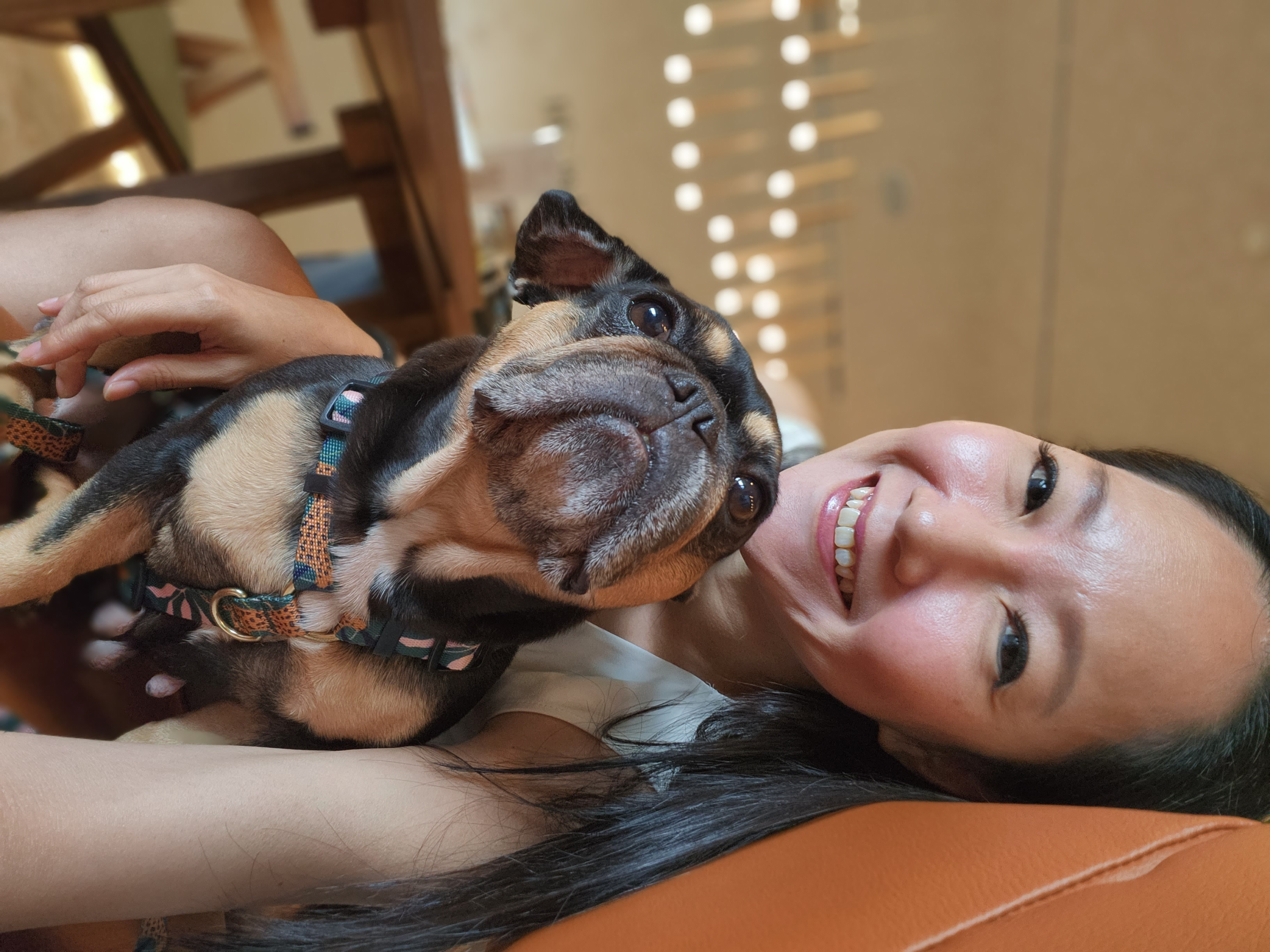
BeanBean, my dog, has a sensitive pancreas, so fats were something I always had to be careful with. When I introduced coconut oil, I started with just 2–3 drops and increased it gradually over time while watching how she responded.
Over time, it supported her pancreas. Today, BeanBean can handle more oils and more fats in her diet than she could before. For me, it showed that with a sensitive pancreas, the answer isn't avoiding fat completely. It's introducing the right kind of fat, slowly, and letting the body adjust.
How to introduce coconut oil safely
Recommended amount: 1 teaspoon per 4.5kg (10lb) of body weight daily.
For healthy pets: start with about ¼ of that amount and build up over 2 weeks.
For pets with a sensitive pancreas or a history of pancreatitis: go much slower. Start with just 2–3 drops and increase gradually over several weeks, only moving up when your pet is doing well at each step.
Watch closely as you go. If you notice vomiting, loose stools, a painful belly or loss of appetite, stop and seek help.
Keep the whole diet in mind
- Total fat matters. Coconut oil adds to the fat in your pet's diet, so a very high-fat diet plus coconut oil can still be too much.
- Keep fats fresh. Choose oils in glass or capsules, and throw out anything that smells off.
- Avoid sudden jumps. Any big change in fat, from oil or food, can upset a sensitive pancreas.
Frequently asked questions
Is coconut oil safe for dogs with a history of pancreatitis?
Many do well when it's introduced very slowly, as BeanBean did. Every pet is different, so start with 2–3 drops, increase gradually, and never introduce it during an active flare-up.
Should I cut all fat from my pet's diet?
No. Fat is essential for absorbing vitamins and for skin, coat and brain health. Choose fresh, good-quality fats and introduce them slowly instead.
Can cats have coconut oil?
Yes, in small amounts, introduced slowly, following the same approach.
How do I know how much fat my pet's diet should have?
It depends on your pet's age, health and diet type. Our PawNutrition builds a balanced fresh-food framework around your pet, including the right fat levels.
Shop this article
This article is for educational purposes and isn't a substitute for veterinary care. If you're concerned about your pet's health, please seek professional advice.
ABOUT THE AUTHOR
Judyvein Cheng, CPCN, BRNC
Judyvein is a Certified Professional Canine Nutritionist and Certified Raw Nutrition Coach for Cats & Dogs, and the founder of JOOF Holistic Pet. Her journey began with her Frenchie, Wangcai, and today she helps pet parents in Singapore take a root-cause approach to their pets' health.
RELATED READING