.jpg?w=684&h=912)
By Judyvein Cheng, CPCN, BRNC
Certified pet nutritionist in Singapore
QUICK ANSWER
Colostrum is the first milk a mother makes, and it's one of nature's best immune balancers. It's packed with antibodies, growth factors and lactoferrin that support the gut, calm allergies, help heal leaky gut and repair tissue. Bovine colostrum is the easiest to find. Choose pasture-raised, tested and ethically harvested.
What is colostrum?
Colostrum is the first milk a mother produces after giving birth. It gives newborns their first nutrition and helps build their immune system. But it benefits adult dogs too, and bovine (cow) colostrum is the easiest to find.
It usually comes as a powder or capsules. It works best on an empty stomach, mixed into a little bone broth or plain, unsweetened yoghurt.
What's in colostrum?
Immunoglobulins
IgG gives puppies passive immunity until their own matures, and neutralises viruses and bacteria. IgM is the first antibody newborns make, helping destroy invaders. IgA, the most abundant antibody in dogs, lines the gut to trap pathogens. Low IgA is linked to chronic diarrhoea, bowel inflammation and allergies.
Growth factors
Help repair muscle, bone, connective tissue and the gut lining.
Lactoferrin
Antiviral, antimicrobial, antifungal and antiparasitic, with anti-tumour effects.
PRPs (proline-rich polypeptides)
Regulate the thymus and immune system, boosting an underactive immune system or calming an overactive one.
MSM
Supports wound healing, healthy cartilage and pain relief.
Above all, colostrum balances the immune system.
12 benefits of colostrum for dogs
Allergies. Allergies are an overactive immune response, which PRPs help calm. Colostrum also reduces inflammation like rashes and itching, and helps heal leaky gut, a common allergy trigger. Read more in how to reduce allergens in your home.
Leaky gut. Drugs or toxins can damage the gut lining, letting undigested particles into the bloodstream, which is linked to allergies, digestive issues and arthritis. Lactoferrin reduces inflammation and also acts as a prebiotic.
Diarrhoea. Studies show benefits for chronic, acute and infectious diarrhoea. A 2004 study found it improved stool quality in weaned puppies.
Oral health. Periodontal disease is one of the most common problems in small dogs and often leads to tooth loss. Colostrum may reduce the bacteria behind gum disease, and its growth factors may help repair tissue. Read more in dealing with dog breath.
Gut damage from drugs. NSAIDs and antibiotics can cause lasting gut damage, including leaky gut, and several studies show colostrum helps repair it. Keep it in mind if your dog needs conventional medication.
Ageing. Research in older adults shows colostrum helps preserve lean muscle and bone density, which supports mobility. It also aids exercise recovery, reduces oxidative stress and may help prevent cognitive decline.
Autoimmune disease. Over-vaccination, leaky gut and toxins all contribute. PRPs calm an overactive immune system, growth factors reduce inflammation, and immunoglobulins and lactoferrin limit the pathogens that trigger flare-ups. Read more in vaccinosis in pets.
Yeast. Yeast causes itching, odour and discomfort, and lactoferrin and its peptides are strongly antifungal.
Cancer. Immunoglobulins support immunity, lactoferrin's anti-inflammatory effects may help prevent and treat cancer, cytokines activate the white blood cells that kill cancer cells, and lactalbumin may trigger cancer cell death while sparing healthy cells. Read more in when your pet has cancer.
Joints and arthritis. Calming leaky gut and inflammation is key. Growth factors help repair joint tissue, and MSM helps with pain, inflammation and cartilage.
Dog flu and respiratory illness. A 2007 study reported colostrum was at least 3 times more effective than vaccination at preventing flu. In a 2013 study, 48 people taking lactoferrin and whey got sick, compared with 112 on a placebo, and their illness was shorter. Another 2013 study showed improved immune function. It's worth considering for dogs who go to daycare or boarding, to help prevent flu and kennel cough.
Skin problems. Used on the skin, colostrum speeds healing and is antibacterial. Mix the powder with distilled water into a paste and apply to abscesses, cysts, ear infections, hot spots, insect bites, rashes, skin infections and wounds, including surgical wounds.
Bonus: Lyme disease
A University of New Haven lab study found lactoferrin was more effective than the antibiotic doxycycline against the bacteria that cause Lyme disease. These bacteria form protective biofilms that can make them up to 1,000 times more resistant to treatment, and lactoferrin reduced the biofilm's viability. Colostrum naturally contains 1.5–5mg/mL of lactoferrin.

FROM MY EXPERIENCE
BeanBean takes Biostar K9 Colostrum to help build her gut.
Wangcai was sensitive to beef-related ingredients, so bovine colostrum was a no-go for him. It's a good reminder that even the best supplement isn't right for every dog.
Lactose and allergies
Colostrum has very little lactose, so it rarely causes problems for lactose-intolerant dogs. If your dog has a dairy or beef allergy, start with a very small amount and watch closely. If there's no reaction or tummy upset, you can continue. If you're not sure what your dog reacts to, the Pet Intolerance Test can help.
How to choose a good colostrum
✓ Pasture-raised cows, rBGH-free. rBGH is a genetically engineered growth hormone banned in several countries.
✓ No antibiotics in the cows' feed. Many dairies use them to prevent mastitis and other diseases.
✓ An independent Certificate of Analysis, testing for harmful bacteria, heavy metals and contaminants.
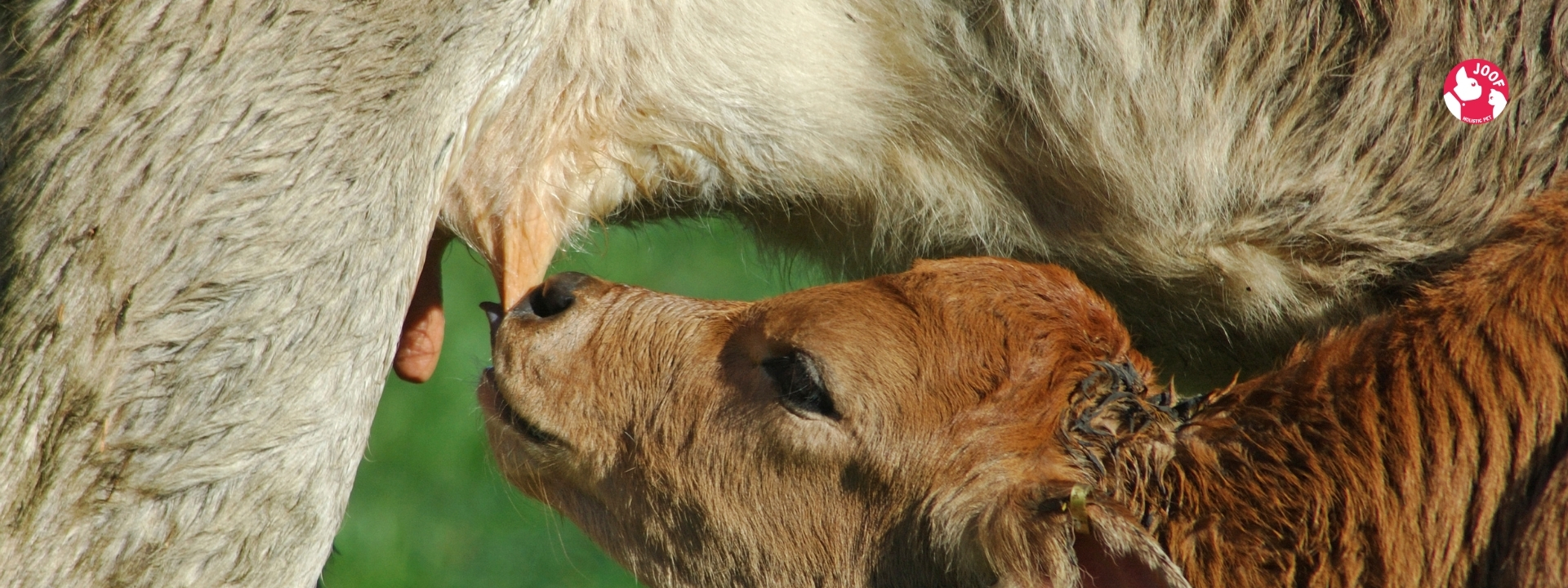
✓ Ethically harvested. Calves need their mother's colostrum, especially in the first 48 hours. Look for products where calves get what they need first.
Colostrum is affordable, easy to give and mild in flavour. Holistic vet Dr Stephen Blake has found it also strengthens other therapies, such as homeopathy, acupuncture and flower essences.
Frequently asked questions
How much colostrum should I give?
Follow the dosing on your product's label, as strength varies between brands.
Can cats have colostrum?
Yes. Colostrum can support cats' gut and immune health too. Start with a small amount.
Shop this article
This article is for educational purposes and isn't a substitute for veterinary care. If you're concerned about your pet's health, please seek professional advice.
ABOUT THE AUTHOR
Judyvein Cheng, CPCN, BRNC
Judyvein is a Certified Professional Canine Nutritionist and Certified Raw Nutrition Coach for Cats & Dogs, and the founder of JOOF Holistic Pet. Her journey began with her Frenchie, Wangcai, and today she helps pet parents in Singapore take a root-cause approach to their pets' health.
RELATED READING