.jpg?w=684&h=912)
By Judyvein Cheng, CPCN, BRNC
Certified pet nutritionist in Singapore
QUICK ANSWER
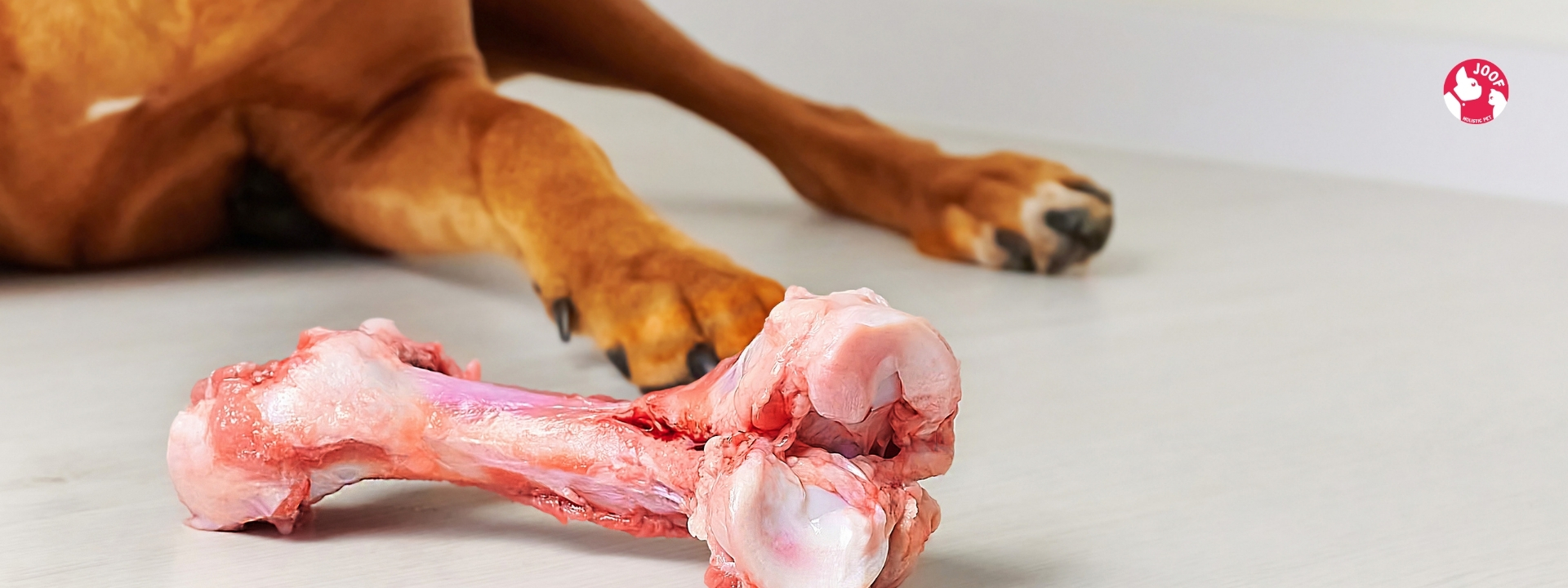
Raw bones can be a great addition for many dogs and cats, but not for every pet. Fed correctly, they provide calcium and other minerals, help keep teeth clean and give hours of mental stimulation. Never feed cooked bones, choose the right size, introduce them slowly, and always supervise.
Raw bones are one of the most debated topics in pet feeding, partly because they're so misunderstood. Like any food, they have pros and cons. Bones are a natural part of a dog's and cat's diet, but whether they suit your pet depends on your individual pet.
The benefits
Minerals and more
Raw meaty bones provide calcium, phosphorus and magnesium, plus trace minerals, collagen, and cartilage that naturally contains glucosamine and chondroitin. The calcium in raw bones is far higher than in calcium supplements.
A complete raw diet
A raw diet without bone isn't complete. Diets of only ground meat and vegetables, or meat, vegetables and eggshell powder, can lead to serious deficiencies.
Mental stimulation
Chewing is entertaining and enriching, and mental exercise is as important as physical exercise.
Clean teeth
Some raw meaty bones act like a natural toothbrush. A recent study found raw meaty bones highly effective at removing tartar, which may mean fewer dental cleanings. Read more in dealing with dog breath.
Who should, and shouldn't, have raw bones
Pets with no health conditions are generally good candidates. The exceptions:
✓ Gulpers: only whole beef or buffalo knuckles, which are too big to swallow.
✓ Severe gut disease, such as IBD: some pets can't digest raw food and do better on home-cooked food. Heal the gut first, then introduce bones.
✓ Chronic pancreatitis: these pets are sensitive to fat, so marrow bones and femurs are a no-go, as the marrow is the fattiest part. Manage the underlying condition with a holistic vet or nutritionist. Read more in coconut oil and pancreatitis.
✓ Missing teeth: whole bones may not be suitable, depending on how many teeth are missing. Have your pet assessed first.
If your pet can't have whole bones, their diet still needs a calcium and phosphorus source. Use food-grade steamed bone meal powder that's been tested for heavy metals, dosed according to the label and the amount of meat you feed. Or use a raw ground bone product like Pawff Raw Meaty Bone Grinds. Note that ground bone is for nutrition only. It doesn't clean teeth.
Safety checklist
Never cook bones. Cooking makes whole bones brittle, sharp and hard to digest, and destroys nutrients. Raw meals that contain ground bone are different: depending on how finely the bone is ground, they can be very gently cooked, such as sous vide, or warmed in a hot water bath. Never cook them at high heat.
Know the difference between edible and recreational bones. Edible bones can be eaten as part of a meal: chicken, duck or turkey heads, necks and frames, beef or buffalo knuckles, and whole fish. Recreational bones are for chewing only: beef, buffalo, lamb or boar femurs. Your pet eats the meat, cartilage and marrow, then you throw the bone away.
Introduce bones slowly. Your pet's gut needs time to adjust to raw food. Wait at least 30 days on a fresh diet before introducing whole bones, and longer for some pets. Watch their poop closely, and make all diet changes gradually.
Teach your pet to chew. Chewing is partly learned. Puppies, kittens and adult dogs new to bones need guidance. Hold the bone for them, and always supervise.

FROM MY EXPERIENCE
Both my dogs have had whole raw bones as chews.
BeanBean has chicken necks, duck necks and turkey necks.
Wangcai had pork ribs and duck necks.
Choosing the right bone
A bone should always be bigger than your pet's mouth, so it can't be swallowed whole. Bones come in many shapes, sizes and proteins, and your pet's breed and face shape matter too. If you're unsure, ask a professional.
Puppies and kittens
Baby teeth can make bones tricky. Hold the bone, supervise, and make it a game so they get used to it.
Seniors
Pets with missing teeth or weaker digestion may do better with ground bone in their raw meals instead of whole bones.
Flat-faced breeds
Pugs, bulldogs, French bulldogs, boxers and Boston terriers may find chewing harder because of their skull shape. Watch closely and see which bones work best.
What about resource guarding?
Growling over a bone is common in dogs new to bones. Raw food doesn't cause aggression, but meat and bones are high-value to a pet who's new to them, so they may guard them. It's a training issue that usually fades once bones become a regular part of the routine. If the guarding continues, speak to an animal behaviourist.
Frequently asked questions
Can I give cooked bones from my dinner?
No. Cooked bones splinter easily and can cause serious injuries. Only ever feed raw bones.
Do raw bones clean teeth?
Whole raw meaty bones can help, as chewing scrapes away plaque. Ground bone doesn't, as it's for nutrition only. See how to brush your dog's teeth for daily care.
How often can I give raw bones?
It depends on your pet's diet, size and digestion. Start slowly, watch their poop, and adjust.
Shop this article
This article is for educational purposes and isn't a substitute for veterinary care. If you're concerned about your pet's health, please seek professional advice.
ABOUT THE AUTHOR
Judyvein Cheng, CPCN, BRNC
Judyvein is a Certified Professional Canine Nutritionist and Certified Raw Nutrition Coach for Cats & Dogs, and the founder of JOOF Holistic Pet. Her journey began with her Frenchie, Wangcai, and today she helps pet parents in Singapore take a root-cause approach to their pets' health.
RELATED READING