.jpg?w=684&h=912)
By Judyvein Cheng, CPCN, BRNC
Certified pet nutritionist in Singapore
QUICK ANSWER
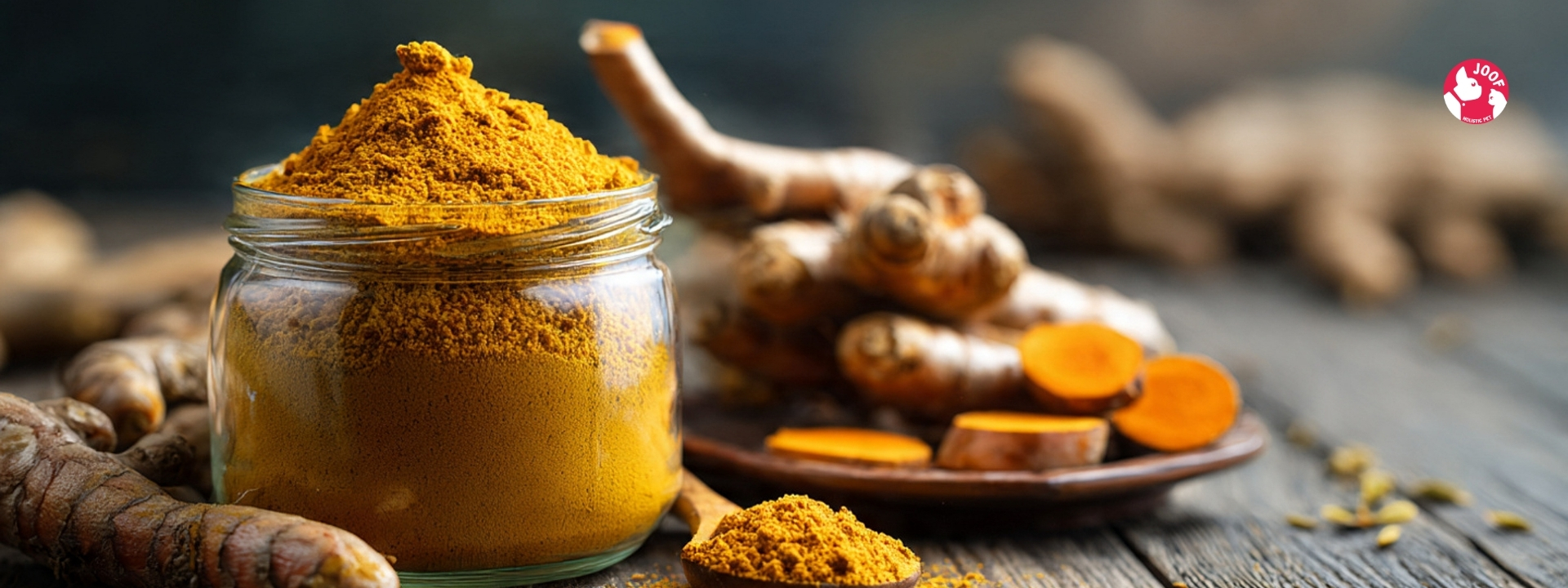
Turmeric is one of the most researched natural anti-inflammatories. Its active compound, curcumin, has antioxidant, anti-inflammatory and anticancer properties, and can support dogs with arthritis, gut issues and allergies. Give about ⅛ to ¼ teaspoon per 4.5kg (10lb) a day, split into smaller amounts, and check with a holistic vet if your dog is on medication.
Turmeric is a common kitchen spice that could help improve your dog's health. Over 6,000 studies have looked at its benefits for dogs and people, and studies suggest its anti-inflammatory effects may compare with several types of drugs, including arthritis drugs, steroids, chemotherapy, IBD drugs and anti-inflammatories.
Is turmeric good for dogs?
Yes. Turmeric's active compound is curcumin, which has antioxidant, anti-inflammatory, antiviral, antibacterial, antifungal, wound-healing and anticancer properties. It may help with arthritis, diabetes, cancer, liver disease and digestive issues. One study even nicknamed it "Cure-cumin".
1. Turmeric is anti-inflammatory
Chronic, low-grade inflammation is at the root of nearly all disease, including cancer, arthritis, allergies, kidney disease, dental disease and digestive disease. Acute inflammation is healthy: it's how the body heals. Chronic inflammation is the harmful kind. For example, dental disease is linked to heart disease, and chronic bladder infections to bladder cancer.
In a 2014 study, curcumin performed as well as ibuprofen in people with arthritis. A 2004 study in Oncogene found curcumin, along with resveratrol, worked as well as anti-inflammatory drugs and compared well with aspirin and ibuprofen.
2. Turmeric helps fight cancer
Chronic inflammation is linked to cancer, and turmeric is a powerful antioxidant. A UK study found curcumin could stop precancerous changes from becoming cancer. About a third of turmeric studies focus on cancer, and they show turmeric can kill cancer cells and stop new ones from growing. The US National Cancer Institute notes that curcuminoids interfere with the cell signalling pathways involved in cancer.
With half of adult dogs expected to get cancer, turmeric may help prevent cancer and support natural treatment. Read more in when your pet has cancer.
3. Turmeric for arthritis
Arthritis is driven by inflammation, and turmeric can relieve arthritic pain and stiffness as well as some conventional pain medications, without their side effects. A 2014 Thai study compared curcumin with ibuprofen in people with knee osteoarthritis. Curcumin reduced pain as well as ibuprofen, without ibuprofen's stomach side effects. Read more in arthritis in dogs and cats.
4. Turmeric for digestive disorders
Turmeric's anti-inflammatory effects can help with IBD and other gut disorders. Early studies and clinical trials show benefits for gut inflammation and leaky gut. Researchers at Hamamatsu South Hospital in Japan say curcumin's anti-inflammatory action and safety make it promising for IBD. Read more in is your pet's digestion healthy?.
5. Turmeric as a gentler alternative to steroids
Many dogs are on steroids for allergies or joint pain. Some studies show curcumin can be as effective as steroids, without the side effects. A study in the Journal of Pharmacy and Pharmacology found that combining curcumin with a steroid reduced the steroid's side effects. If your dog is on steroids, never stop them suddenly. Talk to your vet or a holistic vet about how turmeric could fit in.
Bonus: turmeric is a powerful antioxidant
Antioxidants may slow ageing and degeneration and help extend lifespan. Oxidative stress works like rust, damaging cells, proteins and DNA. A 2015 study linked oxidative stress to the inflammatory pathways behind chronic diseases, including cancer, and suggested curcumin plays a key role in preventing and treating chronic inflammatory disease. Read more in the best antioxidants for dogs and cats.
How much turmeric to give
About 15–20mg per 450g (1lb) of body weight a day. That's roughly ⅛ to ¼ teaspoon per 4.5kg (10lb). You can increase it gradually, up to about 1 tablespoon a day for large dogs.
Give smaller amounts several times a day, as curcumin leaves the body quickly. Always give it with a healthy fat, such as coconut oil, for better absorption and less constipation.
✓ It stains! Turmeric's bright yellow colour stains hands, counters and dogs.
✓ It can be constipating. Add a little water or kefir to meals to balance it out.
✓ Choose organic whenever possible.
✓ Prefer it ready-made? CocoTherapy Coco-Gold Turmeric Paste is a ready-made turmeric paste made with coconut oil.

FROM MY EXPERIENCE
Wangcai never had turmeric, because he was a warm dog and turmeric is a warming spice.
BeanBean has turmeric powder for her joints. The TCM blend Voltrex, which she took for her joints when she first came home, contains turmeric too, and it's a big part of why Voltrex works so well as an anti-inflammatory.
Who should avoid turmeric?
✓ Dogs who run hot: turmeric is a warming spice. In canine energetics, dogs who always seem hot, pant a lot or seek out cool floors may not suit it.
✓ Dogs on medication: turmeric can interact with anti-inflammatory drugs, diabetes medication and possibly some chemotherapy. Check with a holistic vet first.
✓ Dogs with gallstones or a blocked bile duct: avoid turmeric.
Frequently asked questions
What are the side effects?
Constipation, and possible interactions with diabetes and anti-inflammatory medication. Avoid it with gallstones or a blocked bile duct.
Can I just sprinkle it on food?
Yes, but it's best given with a healthy fat, such as coconut oil, for better absorption and less constipation. Give smaller amounts several times a day.
Do holistic vets recommend turmeric?
Yes. Many holistic vets recommend it for its anti-inflammatory and antioxidant properties.
Shop this article
This article is for educational purposes and isn't a substitute for veterinary care. If you're concerned about your pet's health, please seek professional advice.
ABOUT THE AUTHOR
Judyvein Cheng, CPCN, BRNC
Judyvein is a Certified Professional Canine Nutritionist and Certified Raw Nutrition Coach for Cats & Dogs, and the founder of JOOF Holistic Pet. Her journey began with her Frenchie, Wangcai, and today she helps pet parents in Singapore take a root-cause approach to their pets' health.
RELATED READING