Recommended Article #19March24
Hi, Pet Parents Resources is a platform, where we share with you, what we research as pet parents ourselves. Here, we curate and give, what we hope would be, interesting to important informative articles, videos and even podcasts from our brand creators, experts, researchers, and more all over the world, to aid you in making better choices for your pets.
This recommended article ''Is Human Food Bad For Dogs? What You Can and Can't Share' is curated and sourced from Natural Dog Company. If you loved this article, please do feel free to share it around.
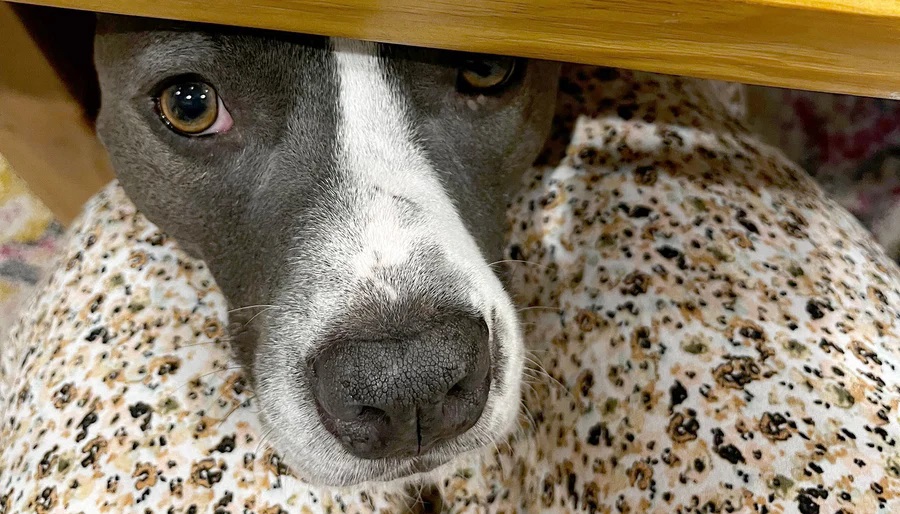
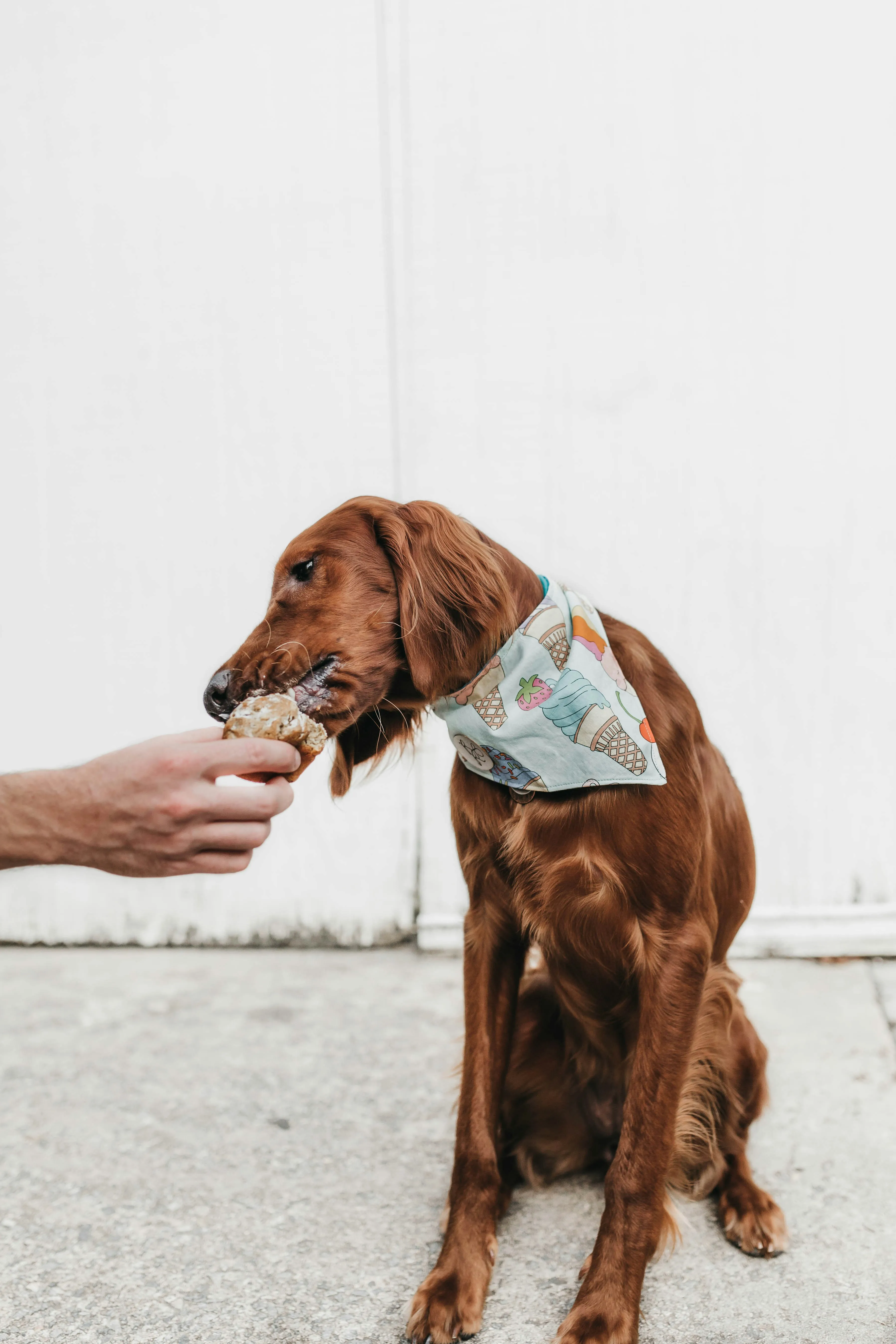
Most dog owners know the struggle of saying “NO” to those big, sad puppy dog eyes that most dogs turn on when they see you eating something tasty. Of course, begging is bad behavior and too many table scraps can cause canine obesity, but is all human food bad for dogs? Some foods are safe to share in moderation, but there are some foods you should never share with your pup—the consequences could even be deadly.
10 Human Foods Your Dog Can Share
- Cooked chicken is a great source of protein for you and your dog. Plain chicken can be added regularly to your dog’s normal diet, or used as a high-value treat.
- Peanut butter is a treat many dogs go wild over! Raw, unsalted nut butter is good for dogs, as they are loaded with protein, as well as heart healthy fats such as vitamin B, vitamin E and niacin.
- Cheese is surprisingly okay to share with most dogs, so long as portions are small and your dog is not lactose intolerant. Low or reduced fat cheeses are the safest options, with cottage cheese as one of the best dairy items to share.
- Greek yogurt makes a healthy addition scooped on top of your dog’s regular dinner, so long as it contains no added sugars or artificial sweeteners. Yogurt also works as a probiotic for your dog, just as it does for humans.
- Oatmeal gives your dog a healthy dose of soluble fiber, making it a great snack for senior dogs with irregular bowel movements. Just make sure the oatmeal is cooked and does not contain flavor additives or added sugar.
- Carrots cut up into small bites make a healthy and yummy snack that many dogs adore. Carrots are low calorie and high fiber, plus they are good for your dog’s teeth!
- Eggs are just fine for dogs to eat; in fact they can even be healthy for your dog because they contain riboflavin and selenium.
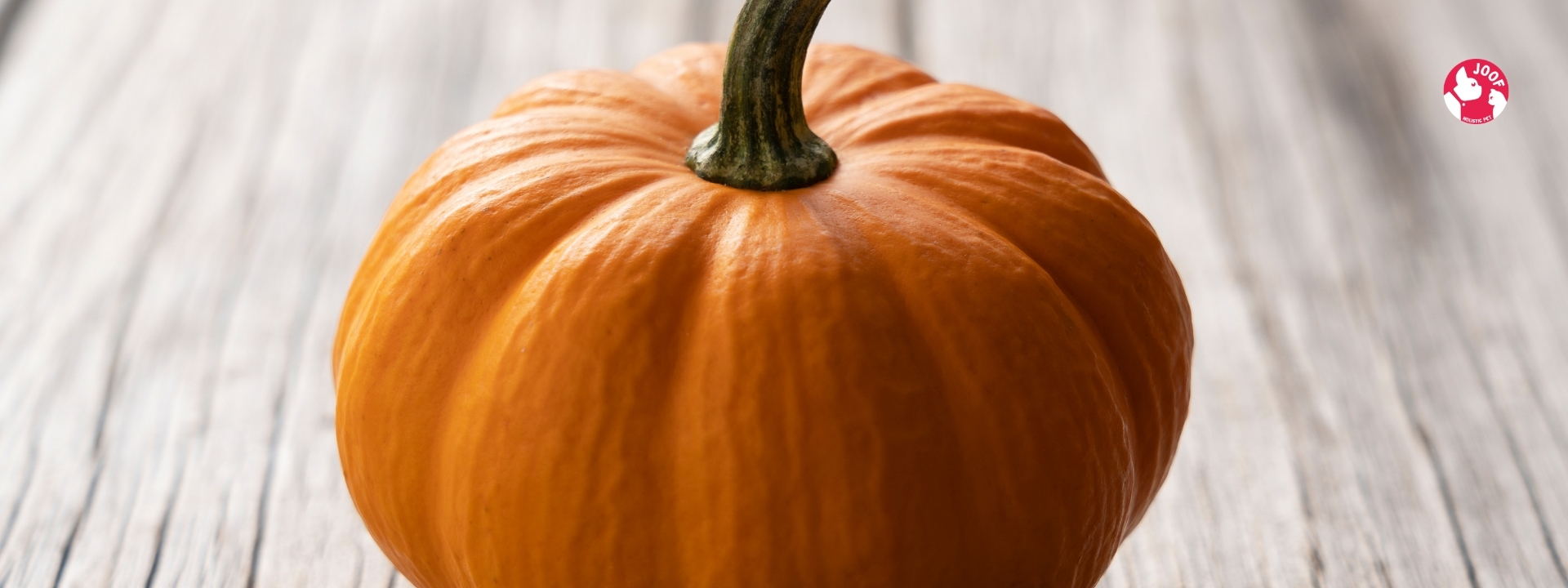
- Pumpkin is great for dogs, as it is rich in fiber and beta-carotene (vitamin A). Pumpkin can also help keep your dog’s GI tract healthy and ease a number of digestive issues.
- Green beans are a yummy, healthy treat for dogs because they are low in calories but very filling. Just make sure the green beans you share have no added salt.
- Salmon is loaded with omega 3 fatty acids, which promote a healthy, shiny coat, and helps improve your dog’s overall immunity. If your family is not very pescatarian, supplement your dog’s food with a high quality Alaskan salmon oil.
6 Human Foods That Are Toxic for Dogs
- Macadamia nuts can cause a toxic reaction in dogs, with symptoms including weakness in their rear legs, vomiting, lethargy, hypothermia, and tremors.
- Grapes and raisins are healthy for you and I, but not for your dog; ingestion can cause rapid kidney failure, or vomiting, diarrhea, and lethargy in our canine companions.
- Avocado pits, bark, fruit and leaves contain persin, a toxin to dogs. Persin can cause an upset stomach, difficulty breathing, and fluid buildup in the chest. The pit is also easily swallowed and can choke your dog or obstruct their gastrointestinal tract.
- Apple cores are bad for dogs because apple seeds contain cyanide, and the tough vegetation in the core can cause intestinal obstructions. Plums, peaches, pears and apricots also contain cyanide.
- Caffeine contains methylated xanthine, which stimulates the nervous system and can cause vomiting, heart palpitations, restlessness and even death in canines.
- Bacon may be your dog’s dream food, but it can actually cause a number of issues related to digestion and nutrient absorption! Bacon is rich in fat, which contributes to the development of pancreatitis in dogs.
If your dog has ingested any of the above items, they need to see a vet immediately.
You may find more interesting reads from JOOF Holistic Pet today! Look out for loads of information on our product pages, social media, especially our Pet Parent Resources page.
JOOF Holistic Pet, a Singapore online pet store that focuses on the holistic well-being of your beloved furkid. Our recommended products aim to support and improve health, emotional and physical well-being, and help your pet have a better quality of life without compromise. Look out for Essential, Trendy and Premium quality pet products that are specially curated, with the pet parents concerns' as a priority.
This blog first appeared on the Natural Dog Company website, where this article "Is Human Food Bad For Dogs? What You Can and Can't Share" was curated and sourced from.
Original source: Is Human Food Bad For Dogs? What You Can and Can't Share
Thank you for reading! We hope to bring you more informative and exciting articles from other resources and our varying retail brands. Through them, we hope more and more pet parents could become their pet's wellness heroes, proactively taking control of their pets’ foundational health from within, with JOOF Holistic Pet - www.joofholisticpet.sg 😊
Disclaimer:
JOOF Holistic Pet has curated and reproduced this article in good faith, which may contain an element of consumer opinion, but cannot be held responsible for any information inaccuracies in it or any use assumed from this information by the reader. JOOF Holistic Pet welcomes positive recommendations for holistic healthcare products, but does not necessarily endorse the author’s opinion. We acknowledge each animal is an individual and may react differently to the highlighted product/s, and that there may also be other similar effective products available.
General recommendations made by JOOF Holistic Pet are solely for informational and educational purposes, and are not a substitute for the appropriate veterinary care. It is important to always consult professional help if you have concerns about your furkid’s health.