.jpg?w=684&h=912)
By Judyvein Cheng, CPCN, BRNC
Certified pet nutritionist in Singapore
QUICK ANSWER
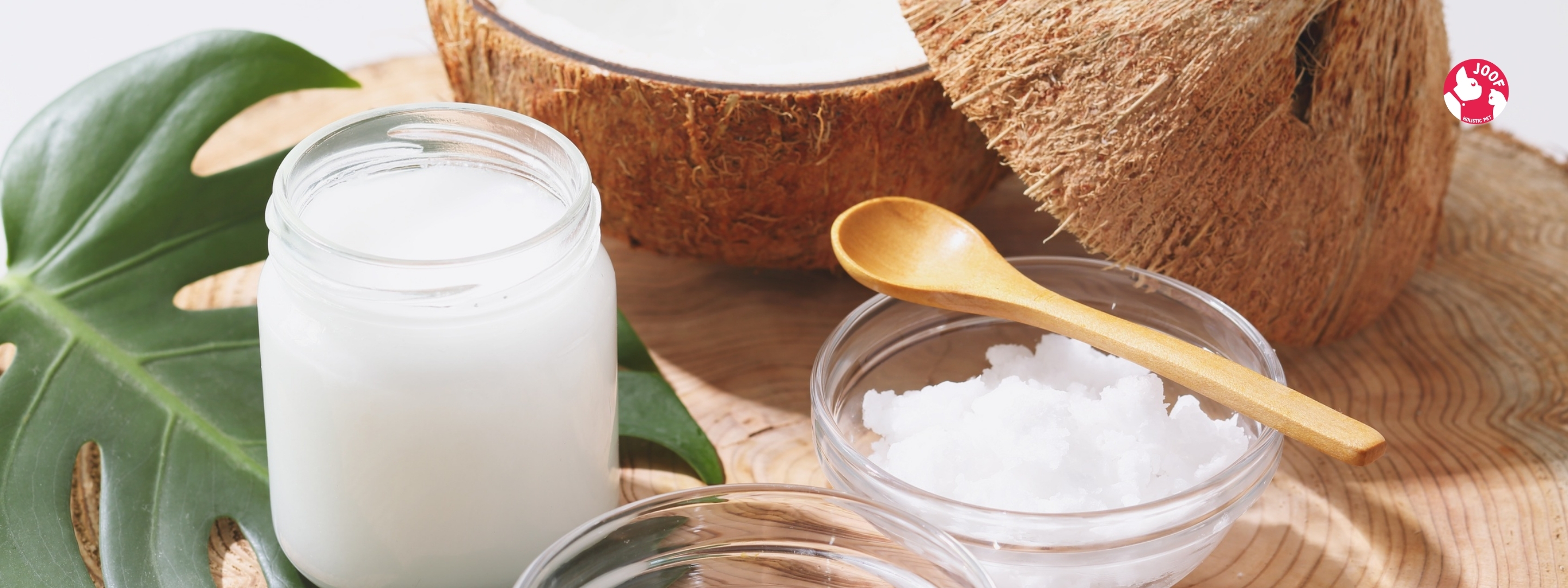
Yes, good-quality virgin coconut oil is safe for most dogs and cats when introduced slowly and given in the right amount. Most of the worries you'll read online come from treating all fats as the same, or from giving too much, too fast. Here's what I tell pet parents who ask.
Why coconut oil is different
Coconut oil is mostly saturated fat, which is why it gets a bad reputation. But it's a very different kind of saturated fat from the fat in meat or dairy. It's rich in medium-chain fats (MCTs), which are absorbed easily and used quickly for energy rather than stored.
It's also important to know that dogs and cats aren't small humans. They naturally carry more "good" cholesterol than humans do, and they don't develop clogged arteries from saturated fat the way people can. So the "saturated fat is bad for your heart" message doesn't translate directly to pets.
Benefits pet parents see
Skin and coat
A shinier coat and less dry, flaky skin.
Digestion
Gentle support for the gut, and help with constipation.
Dental health
Lauric acid helps reduce the bacteria behind plaque and bad breath.
Energy and brain health
MCTs are an easy fuel source, especially for senior pets.
Topical care
Soothing dry noses, cracked paws and minor skin irritations.
When to be careful
✓ Pets with a sensitive pancreas or a history of pancreatitis: coconut oil can still work, but go very slowly. Read my guide on coconut oil and pancreatitis.
✓ Very high-fat diets: coconut oil adds to the total fat your pet eats.
✓ Coconut sensitivity: rare, but stop if you see itching, vomiting or loose stools.
✓ Raw, bleeding or infected skin: don't apply coconut oil to open wounds that look infected. Get them checked first.
Not all coconut oil is equal
Choose organic, cold-pressed virgin coconut oil that's also therapeutic grade. Refined coconut oil is processed with heat and often bleached and deodorised, which strips out many of the beneficial compounds. And not every organic, cold-pressed virgin coconut oil is therapeutic grade. Avoid partially hydrogenated coconut oil completely, as it contains unhealthy trans fats.
I recommend CocoTherapy Organic Virgin Coconut Oil. It's made from organic coconuts grown on their own family farm and cold-pressed into a therapeutic-grade oil that's naturally rich in lauric acid.
How much to give
Recommended amount: 1 teaspoon per 4.5kg (10lb) of body weight daily, mixed into food.
First time? Start with about ¼ of that amount and build up over 2 weeks. Too much too fast can cause loose stools.
Sensitive pets: start with just 2–3 drops and increase slowly over several weeks.
Frequently asked questions
Is coconut oil safe for cats?
Yes. Cats can enjoy coconut oil in small amounts, introduced slowly. Start with just a few drops.
Can my dog lick coconut oil off their skin?
Yes. Pure virgin coconut oil is safe to lick, which makes it a great option for paws and noses.
Can I give coconut oil every day?
Yes. Once your pet is used to it, daily coconut oil supports skin, coat, digestion and energy.
Shop this article
This article is for educational purposes and isn't a substitute for veterinary care. If you're concerned about your pet's health, please seek professional advice.
ABOUT THE AUTHOR
Judyvein Cheng, CPCN, BRNC
Judyvein is a Certified Professional Canine Nutritionist and Certified Raw Nutrition Coach for Cats & Dogs, and the founder of JOOF Holistic Pet. Her journey began with her Frenchie, Wangcai, and today she helps pet parents in Singapore take a root-cause approach to their pets' health.
RELATED READING

-Main.jpg?w=1920&h=720)