
By Judyvein Cheng, CPCN, BRNC
Certified pet nutritionist in Singapore
QUICK ANSWER
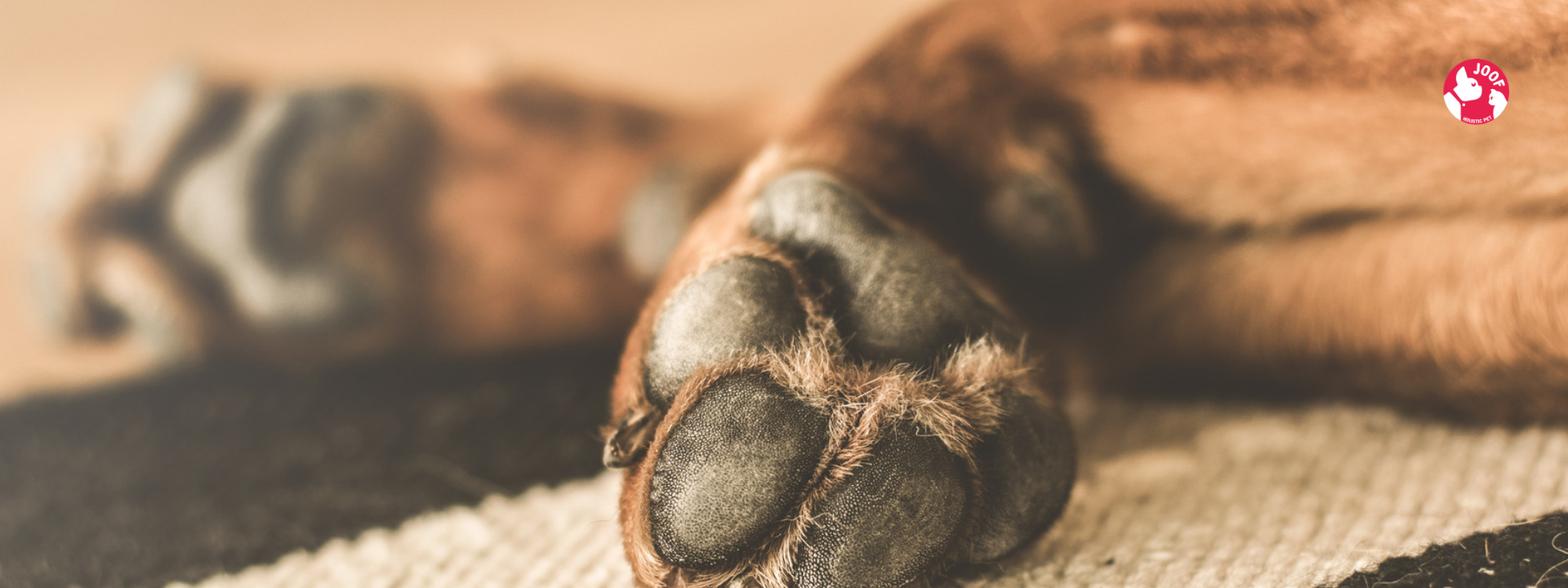
Rough, dry or cracked paw pads are common in dogs, but healthy pads should be smooth and free of cracks. Hot pavement, chemicals and allergies are the usual causes. Wipe and dry the paws after walks, moisturise with a natural, lick-safe balm, and look deeper if they don't improve.
Dogs often lick and nibble at sore paws to soothe them, which can make things worse. Whatever you put on the paws will end up being licked, so choose something natural and safe to swallow.
What causes dry, cracked paws?
Hot pavement
Hot concrete and tarmac can dry, burn and blister paw pads. In Singapore, walk early in the morning or after the ground has cooled. If it's too hot for the back of your hand, it's too hot for paws. Hot sand and salt water at the beach can be rough on pads too.
Wet weather and humidity
Rain, wet grass and our humidity keep paws damp, especially between the toes. That softens the pads and invites yeast.
Chemicals
Garden fertilisers, pesticides and household cleaners can irritate paws, and your dog swallows them when they lick. Use pet-safe cleaners at home and wipe paws after walks.
Allergies
Food and environmental allergies make paws itchy. Constant licking and nibbling can lead to cracks, open wounds and infections. A pet intolerance test can help you find the triggers.
A simple paw care routine
Wipe after every walk: clean the paws and between the toes with JOOF Hygiene Water to remove dirt, chemicals and allergens.
Dry well, especially between the toes, so moisture doesn't sit there and feed yeast.
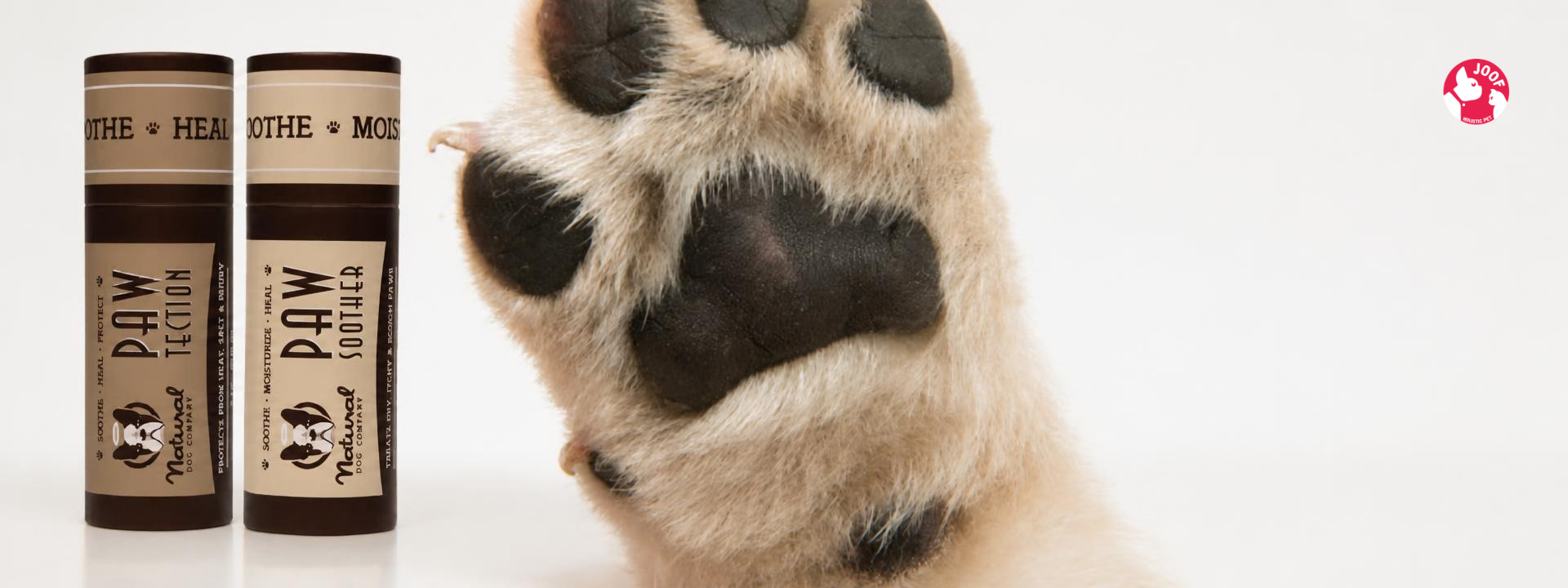
Moisturise: apply a natural balm like Natural Dog Company Paw Soother or Farm Dog Naturals Salvation Salve. Bedtime is ideal, as it has time to soak in.
Protect before walks: on hot days or rough ground, a layer of PawTection helps shield the pads.
For itchy paws and itchy skin between the toes, I use Farm Dog Naturals Restore Salve. Coconut oil is a simple option for dry pads too. Read more in how to use coconut oil with your pets.
FROM MY EXPERIENCE
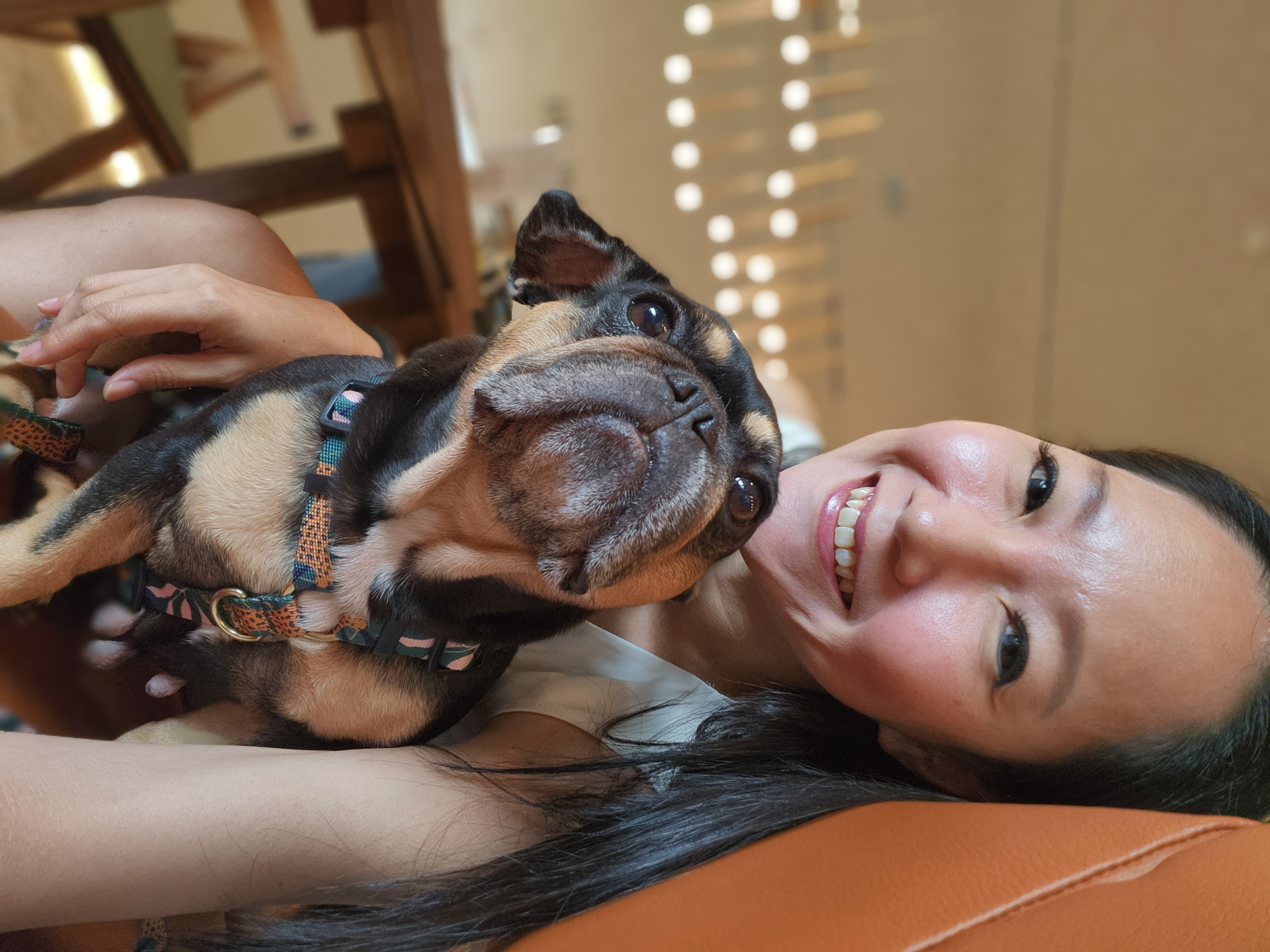
BeanBean has Paw Soother on her paws before bed.
Wangcai had PawTection before walks and Paw Soother after walks. He also had yeast between his toes, and that's something neither balm could fix. Yeast needs to be managed from the inside, starting with diet and allergies.
Paws can show what's happening inside
Paw pad cells renew quickly, so they rely on good nutrition and blood flow. Veterinarian Dr Donna Raditic notes that paw pads can reflect your dog's overall health. If you moisturise regularly and see no improvement, see your vet, as liver, skin or metabolic problems can show up in the paws.
Hyperkeratosis
Thick, crusty, cracked pads can be a sign of hyperkeratosis, where the body makes too much keratin. The pads can look callused or even "hairy", and it can affect the nose too. It can't always be cured, but regular moisturising keeps the pads softer and more comfortable. Have your vet check for an underlying cause.
Hyperkeratosis can also be a sign of a mineral imbalance. A hair tissue mineral analysis (HTMA) can show which minerals are out of balance, so you can adjust the diet or supplements.
Paw yeast
A red, itchy, smelly area between the toes, or brown staining on light fur from licking, often means yeast. Balms can soothe the skin, but they won't fix yeast. For that, you need to look at diet, allergies and gut health. Read dog ear yeast infections for how to manage yeast from the inside, or book a PawConsult.
Frequently asked questions
Are dog paw pads supposed to be rough?
Rough pads are common, but they shouldn't be. Healthy pads are smooth and free of cracks. Pads do toughen with use, but once they're dry and cracked, they struggle to heal if they keep meeting the same irritant.
Can I put Neosporin on my dog's paw?
It's not recommended anywhere your dog can lick. If swallowed, the antibiotic can upset the gut bacteria, and the greasy base can cause diarrhoea. Use a natural, lick-safe balm instead.
Is it normal for paw pads to peel?
A little peeling is normal wear and tear, and a moisturising balm helps. See your vet if your dog won't put weight on the paw, keeps licking it, or there's a cut, burn, redness or swelling.
Shop this article
This article is for educational purposes and isn't a substitute for veterinary care. If you're concerned about your pet's health, please seek professional advice.
ABOUT THE AUTHOR
Judyvein Cheng, CPCN, BRNC
Judyvein is a Certified Professional Canine Nutritionist and Certified Raw Nutrition Coach for Cats & Dogs, and the founder of JOOF Holistic Pet. Her journey began with her Frenchie, Wangcai, and today she helps pet parents in Singapore take a root-cause approach to their pets' health.
RELATED READING