.jpg?w=684&h=912)
By Judyvein Cheng, CPCN, BRNC
Certified pet nutritionist in Singapore
QUICK ANSWER
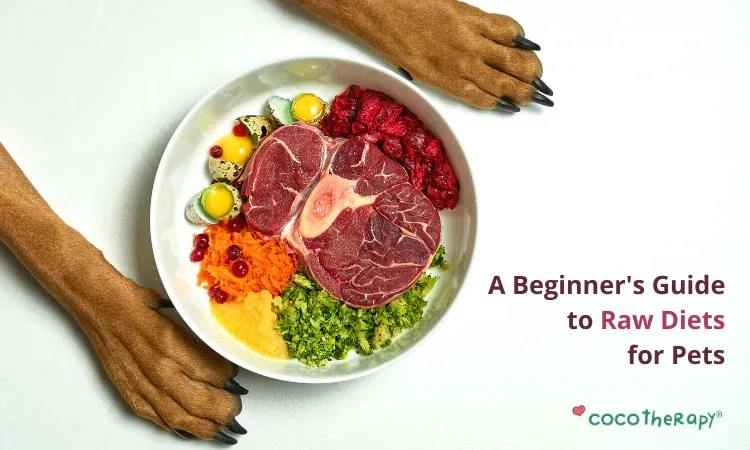
A raw diet feeds your pet fresh, unprocessed meat, organs and bone, the foods their bodies are designed to digest. Done well, it can mean better skin and coat, cleaner teeth, a healthier weight and steadier energy. The key words are done well: a raw diet has to be balanced, introduced at your pet's pace and handled safely.
Why raw?
Raw meat provides high-quality protein, essential amino acids and natural fats in a form that's easy to digest, so pets absorb nutrients more efficiently. Raw diets also tend to be gentler on sensitive tummies and less likely to trigger allergies. Benefits include:
✓ A shinier coat and healthier skin
✓ Stronger teeth and bones
✓ Better weight management
✓ Immune support and a lower risk of chronic disease
✓ More alertness and energy, with less anxiety and stress
This is a beginner's guide to the basics. I'll go deeper into each topic in upcoming articles.
The two basic styles
PMR (Prey Model Raw)
Mostly muscle meat, raw bone and organs, closest to what pets would eat in the wild. A common starting ratio is 80% meat, 10% bone, 5% liver and 5% other secreting organ.
BARF (Biologically Appropriate Raw Food)
Meat, bone and organs, plus some vegetables, fruit and seeds for extra fibre and antioxidants.
There are other approaches too, such as ancestral feeding models that include fish. I'll cover these in a future article.
Common myths
"Raw meat is full of bacteria." Dogs and cats have strong stomach acid and gut bacteria built to handle it. The bigger risk is to you, so handle raw food the way you would for your family: keep it frozen, thaw it in the fridge, and wash bowls and hands.
"Bones are dangerous." Cooked bones are dangerous because they splinter. Raw meaty bones are soft and bendable, and they're nature's toothbrush. Always supervise. If whole bones aren't right for your pet, Pawff Raw Meaty Bone Grinds give the nutrition without the chewing.
"It's too expensive." Raw food can cost more per kilo, but you're paying for real, digestible nutrition. Many pet parents find their pets need fewer vet visits over time, which helps balance it out.
"It's too much work." Good commercial raw meals, like the ones in our raw meals collection, make it easy.
These are the short answers. Each of these myths deserves a closer look, and I'll explore them in more detail in upcoming articles.
How to start
Get the balance right. Too little bone, organ or certain nutrients can lead to deficiencies over time. Work with a raw-knowledgeable vet or nutritionist. If you're making it at home, my PawNutrition framework works out the right balance for your pet.
Go at your pet's pace. Some pets switch in days. Others with sensitive guts may need cooked fresh food first to settle their digestion before moving to raw.
Start with one protein and introduce new ones one at a time.
Choose quality. Human-grade ingredients from a trusted source.
Watch the poop. It's the best guide to how your pet is coping.
Check for gaps. Even a raw-fed pet can be deficient, especially with gut imbalance. An HTMA test shows what your pet actually needs, such as digestive enzymes or specific minerals.

FROM MY EXPERIENCE
Wangcai's switch was the hardest. When I first moved him straight to raw following the manufacturer's guide, he was pooping pure blood. With help from a raw-knowledgeable vet, I first settled his digestion on cooked fresh food before moving him to raw. It took three stressful attempts and 12 full months, but once he was on raw food suited to him, his skin finally started to heal. Read more in our story.
BeanBean's switch was seamless, done in less than 2 weeks. Within a few months on raw, her yeast and ear infection cleared up and the skin on her paws got much better.
But raw isn't the end of the story. After a year on raw, BeanBean's HTMA showed she was deficient. A raw-fed dog with any gut imbalance can still be lacking. We tweaked her diet and supplements, and her second test came back better. We're still working towards getting her minerals to optimal.
Cats are obligate carnivores and need taurine, which comes from muscle meat and especially heart. A raw diet for cats needs extra care to get right.
Frequently asked questions
Can puppies and kittens eat raw?
Yes, but their calcium and phosphorus needs are very precise while they're growing, so balance matters even more.
Do raw-fed pets need supplements?
Sometimes. A balanced raw diet covers most needs, but gut imbalances can still cause gaps. An HTMA or a pet intolerance test can show what's missing or what to avoid.
Is freeze-dried raw as good as fresh raw?
It's a convenient option. Rehydrate it well before feeding.
Shop this article
This article is for educational purposes and isn't a substitute for veterinary care. If you're concerned about your pet's health, please seek professional advice.
ABOUT THE AUTHOR
Judyvein Cheng, CPCN, BRNC
Judyvein is a Certified Professional Canine Nutritionist and Certified Raw Nutrition Coach for Cats & Dogs, and the founder of JOOF Holistic Pet. Her journey began with her Frenchie, Wangcai, and today she helps pet parents in Singapore take a root-cause approach to their pets' health.
RELATED READING