
By Judyvein Cheng, CPCN, BRNC
Certified pet nutritionist in Singapore
QUICK ANSWER
Urinary tract infections are common in dogs and cats, and they're often where a cycle of repeated antibiotics begins. Watch for straining, frequent peeing, blood in the urine or accidents in the house. A moisture-rich, species-appropriate diet and gentle bladder support can help prevent them. A male cat who can't pee is an emergency.
The bladder is easy to overlook until something goes wrong. But it's an important organ, and keeping it healthy is not difficult.
Why bladder health matters
The bladder works as the kidneys' partner. The kidneys filter urea out of the blood, and the bladder stores it and passes it out. The urinary system also helps control electrolytes, hydration and blood pressure.
In holistic practice, a puppy's first UTI is often seen as the starting point for many later health problems. According to Julie Anne Lee, founder of Adored Beast Apothecary, that first UTI is often vaccine-induced, and it's often where antibiotic use in puppies begins. Read more in vaccinosis in pets.
Who is more at risk?
✓ Females: the urethra sits close to the vagina, so bacteria such as E. coli from the bowel can enter more easily, including after mating.
✓ Older pets: as hormones decline with age, the urethral sphincter weakens, making it easier for bacteria to get into the bladder.
✓ Spayed and neutered pets: lower sex hormones can also mean a weaker sphincter.
Signs of a UTI in cats and dogs
✓ Crying or pain when peeing
✓ Dark or cloudy urine
✓ Drinking more water than usual
✓ Peeing little or nothing, or struggling to pee
✓ Dribbling or loss of bladder control
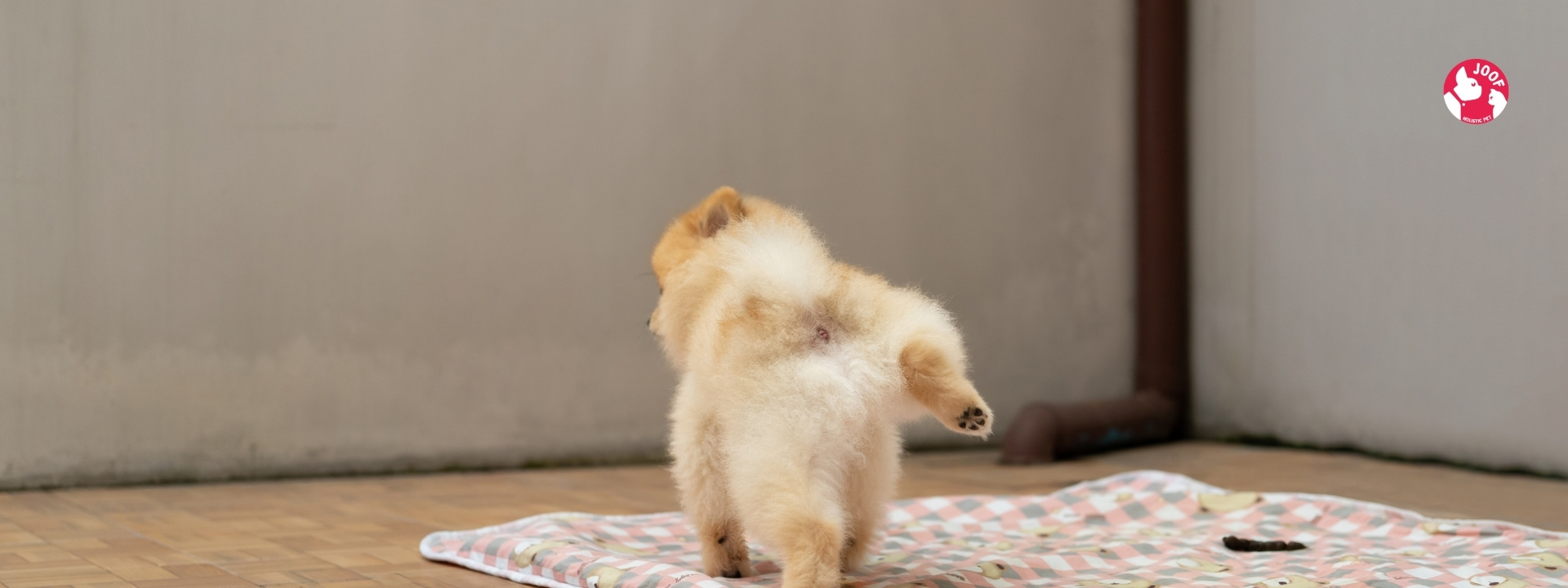
✓ Peeing in the house
✓ Constantly licking the urinary opening
✓ Straining to pee
✓ Visible blood in the urine
✓ Vomiting, lethargy or poor appetite
The antibiotic cycle
The usual first step for a UTI is a course of antibiotics. Julie Anne Lee describes how this can start a vicious cycle: antibiotics damage the healthy microbiome and allow harmful bacteria to grow, which can make urine more alkaline, encourage crystals and lower immunity. Repeated courses can lead to ear infections and hot spots, more medications and prescription diets, poorer nutrition and gut damage, and eventually conditions such as arthritis, skin disease and autoimmune disease.
If your vet suggests antibiotics, ask whether a urine culture can be done first to confirm the infection and choose the right treatment. Support your pet's gut during and after with a species-specific probiotic like Fido's Flora or Felix's Flora.
Male cats and urinary crystals
Neutered male cats have fewer sex hormones, and their urethra stops growing after neutering, leaving a very narrow passage. Cats on dry food tend to have more alkaline urine, which encourages crystals. Crystals scratch the urethra, causing inflammation, spasms and, in the worst cases, a blockage.
A blocked cat is a medical emergency. If your cat, especially a male, is straining with little or no urine, crying in the litter box or going back again and again, see a vet immediately. A blockage can become life-threatening within hours.
Treatment often involves a catheter under sedation, which can scar the urethra and make it even narrower. Some vets now start with pain relief and antispasmodics. Prescription crystal diets may dissolve crystals, but don't support long-term health. Some cats eventually need a urethrostomy, a surgery that creates a wider opening.
Female cats can form crystals too. They're less likely to block, but may show behaviour changes such as peeing outside the litter box, aggression, hiding or over-grooming.
To support the bladder, help dissolve crystals and create a less crystal-friendly environment, consider Adored Beast Easy Peesy Protocol.
How to prevent and support a UTI naturally
Start with diet. A raw, species-appropriate diet is best. For cats, at the very least feed a high-quality, moisture-rich wet food, and avoid dry food.
Helpful herbs and supplements:
Cranberry
Shown in dog studies to help prevent UTIs. It helps stop E. coli sticking to the urinary tract and is anti-inflammatory and antimicrobial.
D-mannose
A simple sugar from berries and plants that doesn't affect blood sugar. It binds to bacteria so they're flushed out in the urine.
N-acetyl glucosamine
Targets inflammation in the bladder wall and helps maintain the protective bladder lining.
Marshmallow root
Rich in mucilage, which coats and protects the mucous membranes.
Uva ursi
Contains arbutin, which is astringent and anti-inflammatory. Best used short-term, with guidance.
Nettle leaf
A tonic herb that's anti-inflammatory, astringent and diuretic, and supports the kidneys.
Multi-strain probiotic
About 1 billion CFUs helps build beneficial colonies and keep harmful bacteria in check.
Ready-made support: Animal Essentials Tinkle Tonic is great for mild UTIs and for prevention, and Amber Naturalz UTR is great when there's blood in the urine.
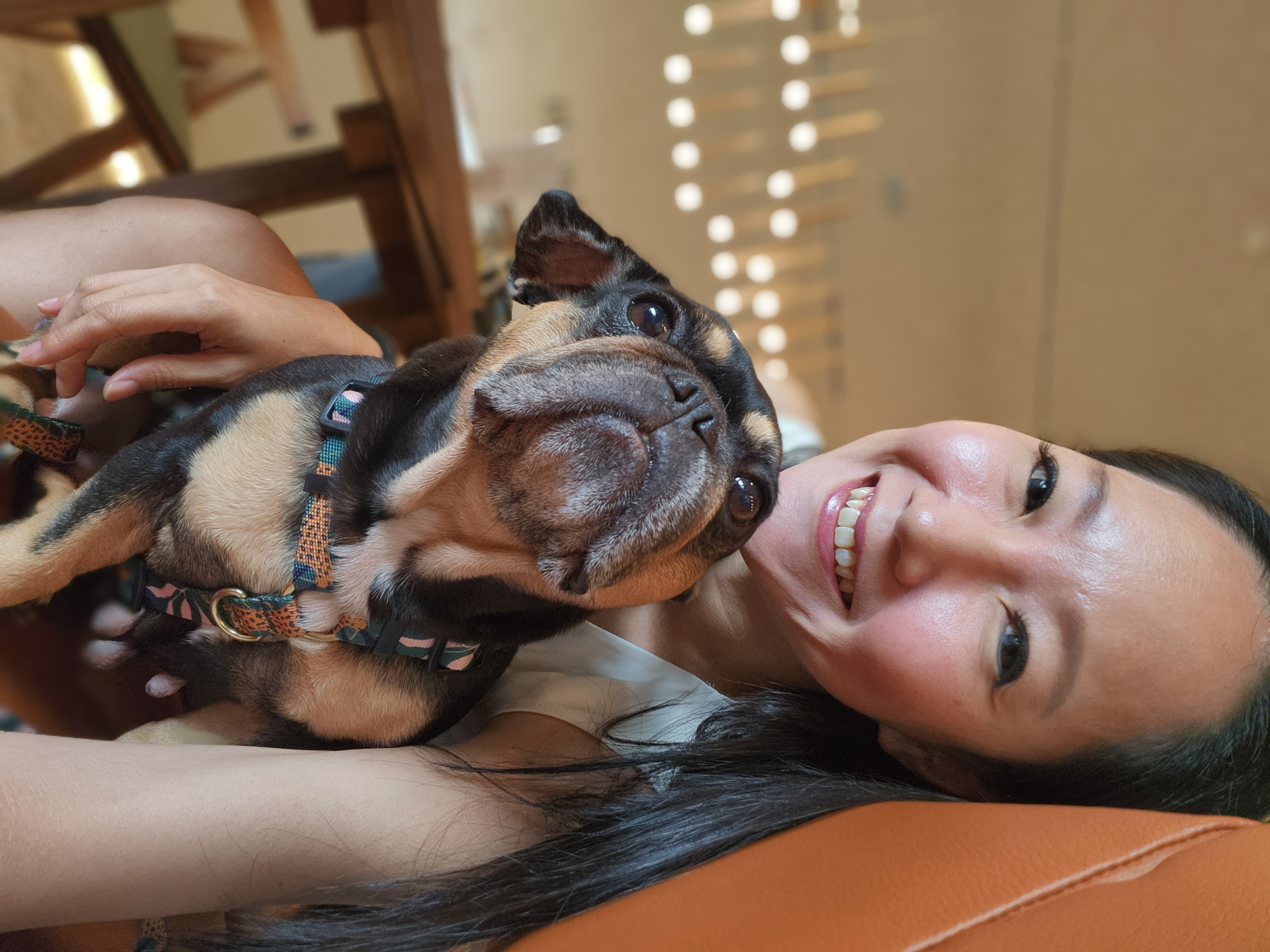
FROM MY EXPERIENCE
After BeanBean's ovary-sparing spay, she had a suspected UTI. No UTI was actually found, but she had pus in her urine for about 4–5 days.
We fed her coconut oil, and that cleared the pus from her urine. After that, we also gave her one bottle of Tinkle Tonic, just to be sure nothing more serious would develop.
Everything in the body is connected, so the bladder deserves care too.
Frequently asked questions
Can I give my pet cranberry juice?
Only organic cranberry juice with no added sugar, or juice you make yourself. Most store-bought cranberry juices are full of sugar.
How do I know if it's a UTI or crystals?
The signs overlap, so a urine test from your vet is the best way to know.
Shop this article
This article is for educational purposes and isn't a substitute for veterinary care. If you're concerned about your pet's health, please seek professional advice.
ABOUT THE AUTHOR
Judyvein Cheng, CPCN, BRNC
Judyvein is a Certified Professional Canine Nutritionist and Certified Raw Nutrition Coach for Cats & Dogs, and the founder of JOOF Holistic Pet. Her journey began with her Frenchie, Wangcai, and today she helps pet parents in Singapore take a root-cause approach to their pets' health.
RELATED READING