.jpg?w=684&h=912)
By Judyvein Cheng, CPCN, BRNC
Certified pet nutritionist in Singapore
QUICK ANSWER
Pets live closer to our floors and surfaces than we do. They walk on them, lie on them and lick their paws afterwards, so whatever we clean with ends up on them and in them. Choosing pet-safe cleaners is part of holistic pet care. In our home, one bottle does most of the work: a gentle disinfectant made from just water and salt.
Why cleaning products matter for pets
We think about what goes into our pets' bowls, but not always about what goes onto our floors. Pets are more exposed to household cleaners than we are:
✓ Paws and fur: residue on floors and furniture sticks to paws and coats, and gets licked off during grooming.
✓ Sensitive noses: a dog's sense of smell is far stronger than ours, so harsh fumes and artificial fragrance are much more intense for them.
✓ Small bodies: pets are smaller and closer to the ground, so the same amount of chemical affects them more.
Ingredients to avoid in household cleaners
Phenols
Found in some disinfectants. Cats are especially sensitive to them, as they can't break them down well.
Ammonia
Common in glass and oven cleaners. Its fumes irritate the eyes, nose and airways.
Phthalates
Often hidden under the word "fragrance" in air fresheners and scented cleaners.
Formaldehyde
Used as a preservative in some cleaners and furniture polishes. It irritates the airways and skin.
Bleach (chlorine)
Strong fumes that irritate the airways, and harmful if a pet licks or swallows it.
Isopropyl alcohol
In many sanitisers and wipes. Harmful if licked off paws or fur.
Perchloroethylene
A solvent used in dry cleaning and some carpet and upholstery cleaners.
If you do use chemical cleaners
✓ Keep your pets out of the room while you clean.
✓ Let surfaces dry fully before your pet goes near them.
✓ Rinse floors with clean water afterwards.
✓ Store all cleaners well out of reach, with caps tightly closed.
One bottle for your whole home
After years of reading labels, I wanted one cleaner I didn't have to worry about at all. That's why we made JOOF Homemade Hygiene Water.
Hygiene Water is a gentle disinfectant and cleaner made from just distilled water and salt. Its active ingredient, hypochlorous acid (HOCl), is the same substance your pet's own white blood cells make to fight germs. It contains no alcohol, bleach, preservatives, stabilisers, artificial pH buffers, dyes or fragrance, and needs no rinsing.
Our Hygiene Water is made fresh in small batches in Singapore, at 0.01% (100ppm) HOCl, from distilled water and refined mineral salt through electrolysis.
How we use it around the home
Floors
Squeeze it straight onto the floor, leave it for about 30 seconds, then wipe up with a clean mop or microfibre cloth. I don't recommend a mop bucket: the dirt goes back into the water, and you end up mopping the next room with it.
Robot mops
I pour it straight into my robot mop's tank, because mine is small. If yours has a big tank, you can mix it with water. It works either way, so it's really personal preference.
Glass and windows
Spray it on and wipe with a cotton or microfibre cloth for a streak-free finish.
Tables and high-touch surfaces
Spray on table tops, the TV console, door handles and switches. Leave for about 30 seconds, then wipe if you like. No rinsing needed.
Pet areas
Spray bowls and feeding plates before serving food, wash pee trays and litter trays, and spray toys, bedding, crates and carriers. Air dry or wipe clean.
Baby essentials
Safe for the whole family, including babies. Use it on high chairs, strollers, milk bottles and feeding accessories.
Fabrics
Soak your pet's clothes in it, or lightly mist fabrics and furniture to remove smells, then let them air dry.
Air freshening
Mix 1 part Hygiene Water with 4 parts water and use it in a diffuser. This is the best concentration for freshening and disinfecting the air.
Keep it fresh: store it in a cool, dry place away from sunlight and heat, and use it within 2–3 months of opening. After each use, gently squeeze the bottle until the liquid reaches the tip of the nozzle, then tighten the cap. This keeps air out and helps the HOCl stay fresh. If you use the refill pouch, rinse your bottle occasionally with clean filtered water and let it dry before refilling.
FROM MY EXPERIENCE
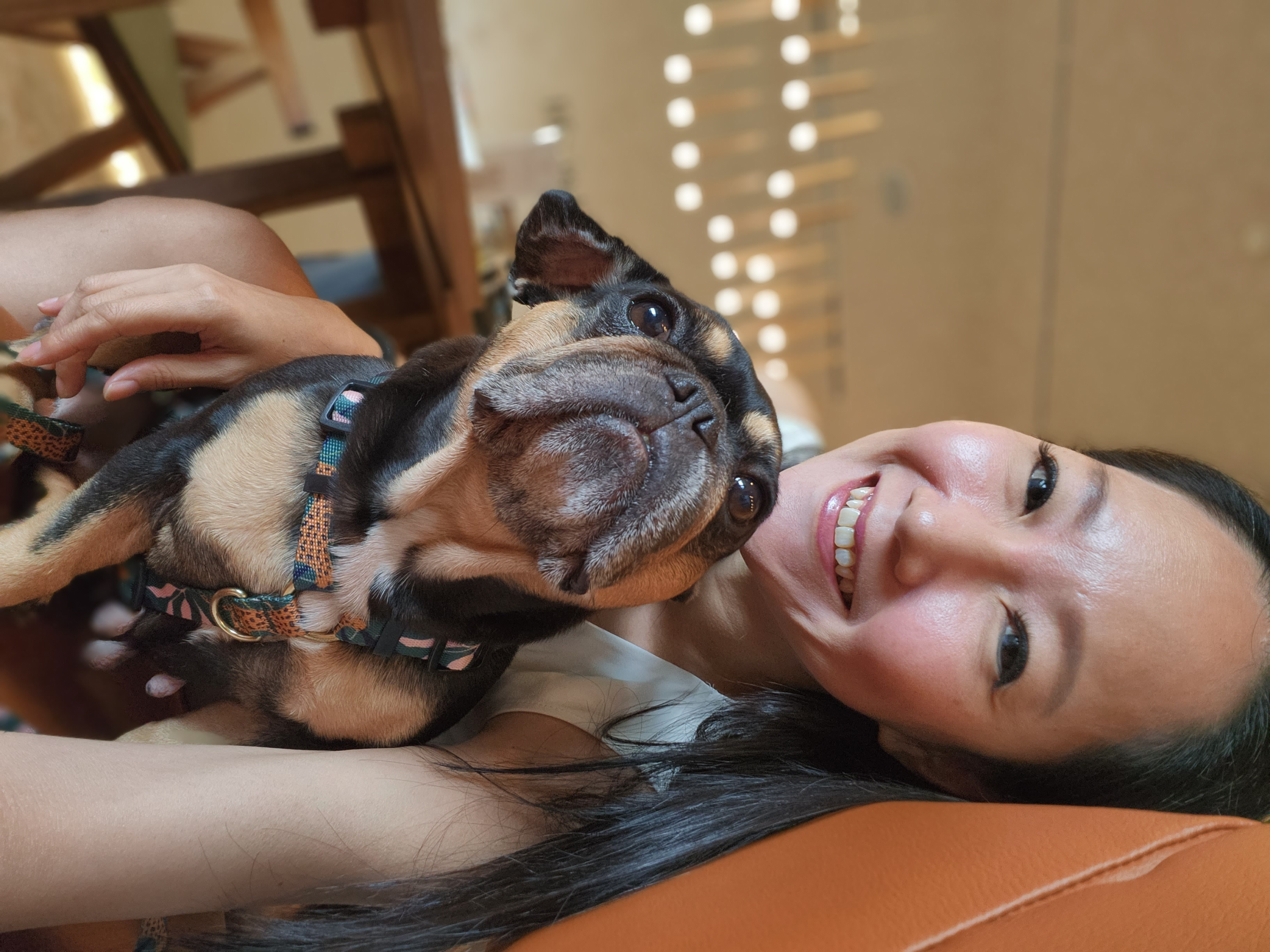
Hygiene Water is the one bottle we reach for all day at home. We mop the floors with it and wipe down the table tops, windows and TV console, and it goes into our robot mop too. BeanBean's clothes get a soak in it, her pee tray gets washed with it, and I spray her feeding plate before I put her food down. We also run it in our diffuser to freshen the air.
On BeanBean herself, I use it to clean her paws, eyes, ears, inside her mouth and her private area, and to wipe down her body. When my husband comes home wearing perfume, I spray his clothes to take the scent off, because BeanBean is sensitive to perfume. I even use it on my own face and hands.
For your pet's body, choose the 200ml Snout-to-Paw Hygiene Water, for eyes and tear stains, ears, mouth and gums, paws, itchy or sensitive skin and hot spots. For yourself and your family, there's Skin Refresh Water, for your face, hands, sensitive skin, babies, travel and your first-aid kit. For the home, the 500ml Home Hygiene Water, and the 1L Hygiene Water Refill tops up all the bottles. You'll find them all on the Hygiene Water page.
4 simple DIY cleaning recipes
If you like making your own, these kitchen-cupboard recipes are pet-friendly options for everyday cleaning. They're good for lifting dirt and freshening up, but vinegar and lemon aren't reliable disinfectants, so I use Hygiene Water when I want to disinfect.
All-purpose cleaner: mix apple cider vinegar, lemon juice and water in a spray bottle. Spray and wipe.
Tough stain paste: mix baking soda with a little apple cider vinegar and warm water into a paste. Scrub it onto stubborn spots, then wipe clean.
Glass cleaner: mix lemon juice with water. Spray, then wipe with a lint-free cloth.
Floor cleaner: mix white or apple cider vinegar with water in a spray bottle. Spray a section at a time and wipe with a clean mop or cloth, rather than using a mop bucket.
Never mix Hygiene Water with vinegar, lemon juice or any other cleaner. Acids react with hypochlorous acid and can release chlorine gas. Use them separately, and don't pour one into the other's bottle.
Vinegar and lemon can also etch natural stone like marble and granite, so test a small area first.
Frequently asked questions
Is it safe if my pet licks the floor afterwards?
Hygiene Water is made from just water and salt, with no alcohol, bleach or fragrance, and needs no rinsing. It's safe around pets once it's on the surface.
Can I use it on my pet as well as my home?
Yes. For paws, eyes, ears, mouth and skin folds, use the Snout-to-Paw Hygiene Water, which comes in a smaller 200ml bottle for daily pet care.
How long does it last?
Use it within 2–3 months of opening, and store it in a cool place away from sunlight.
Can I dilute it?
For floors and surfaces, I use it straight. In a large robot mop tank, you can mix it with water. For a diffuser, use 1 part Hygiene Water to 4 parts water.
Shop this article
This article is for educational purposes and isn't a substitute for veterinary care. If you're concerned about your pet's health, please seek professional advice.
ABOUT THE AUTHOR
Judyvein Cheng, CPCN, BRNC
Judyvein is a Certified Professional Canine Nutritionist and Certified Raw Nutrition Coach for Cats & Dogs, and the founder of JOOF Holistic Pet. Her journey began with her Frenchie, Wangcai, and today she helps pet parents in Singapore take a root-cause approach to their pets' health.
RELATED READING
-Main.jpg?w=1920&h=720)