.jpg?w=684&h=912)
By Judyvein Cheng, CPCN, BRNC
Certified pet nutritionist in Singapore
QUICK ANSWER
Reducing allergens at home is mostly about cleaning, and about what you clean with. Dust, mould, pollen and dander all play a part, but the triggers I see most often are the chemicals in everyday laundry detergents, floor cleaners, mat cleaners and sofa cleaners. Clean often, clean gently, and always read the label.
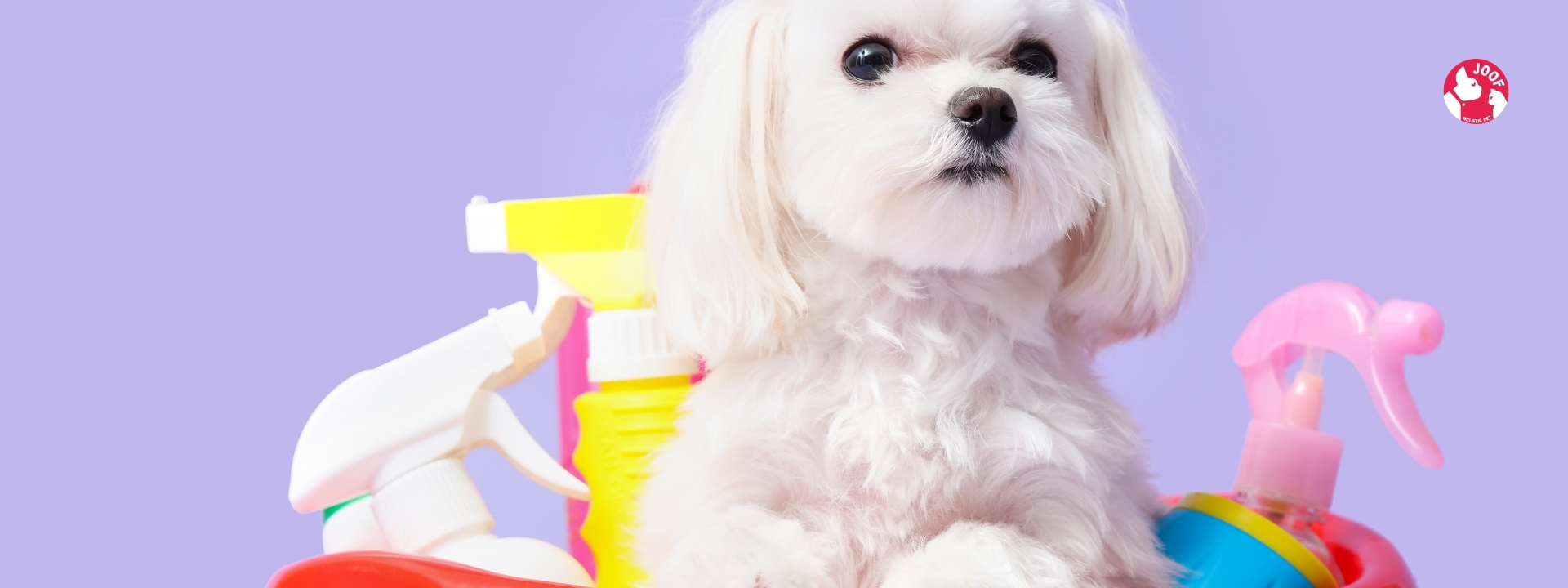
Allergies in pets can show up as itching, scratching, licking, sneezing or even asthma-like breathing. Some of those triggers live right inside our homes, and removing them helps the whole family, two-legged and four-legged.
Common household allergens that bother pets
Chemical cleaning products
Bleach, ammonia and aerosol sprays release volatile organic compounds (VOCs) that irritate the airways, skin and eyes. Scented candles and air fresheners can too. Laundry detergents, floor, mat and sofa cleaners all leave residue where pets lie, sit and lick.
Dust and dust mites
Mites feed on dead skin and live in carpets, bedding and upholstery. Dust-sensitive pets may itch, sneeze or breathe uncomfortably.
Pollen and outdoor allergens
Pollen comes indoors on shoes, clothes and paws, even if your pet stays inside. In Singapore, haze season can bring similar symptoms.
Mould and mildew
Mould grows in damp spots like bathrooms, kitchens and under sinks. Its spores can cause breathing problems, especially in humid climates like ours.
Dander from other pets
Pets with skin conditions or heavy shedding release more dander, which can affect sensitive pets in the same home.
FROM MY EXPERIENCE
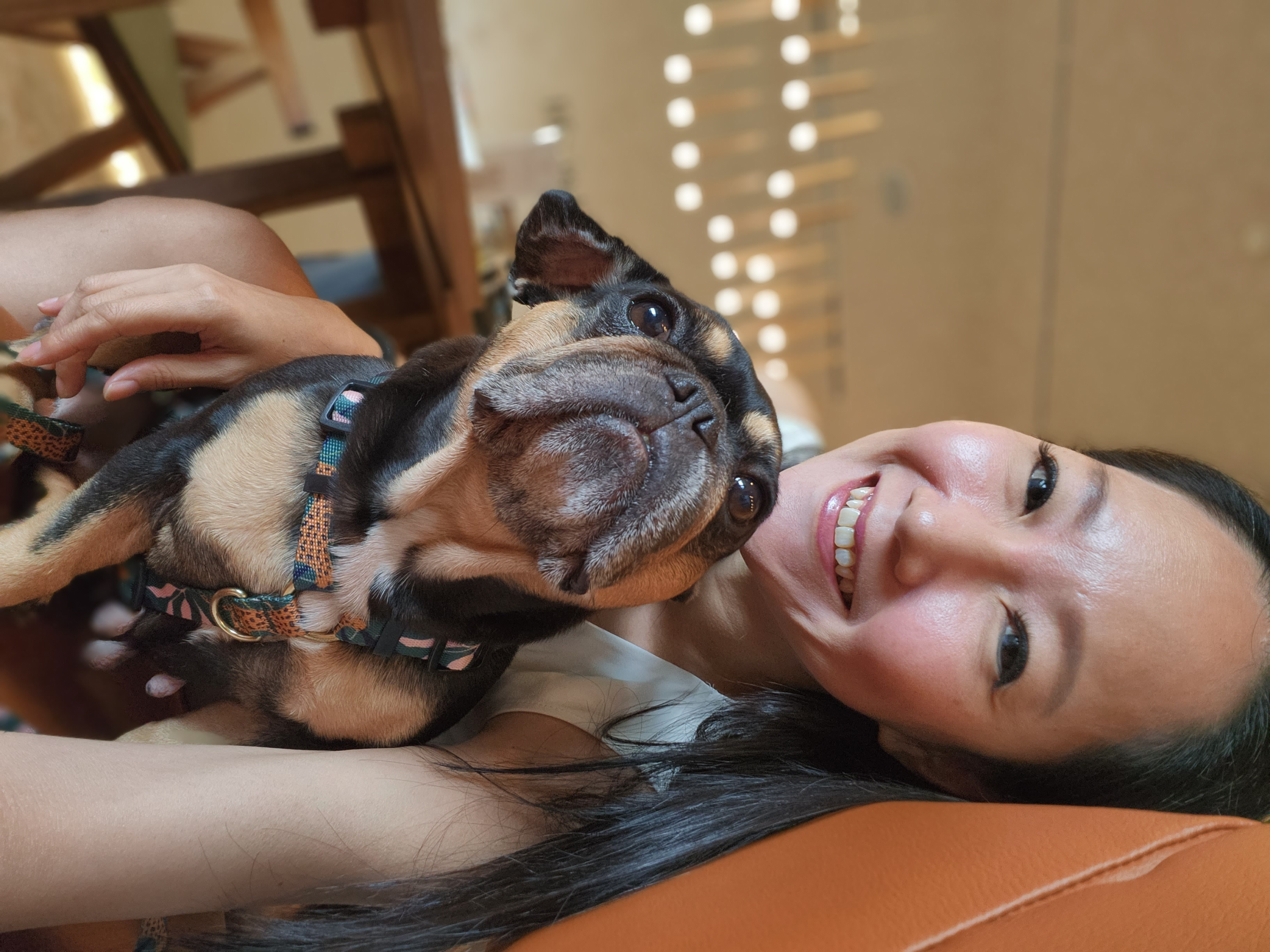
BeanBean once came home from a home daycare with chemical burns on her nipples. I found out they had a new yoga mat, with its own yoga mat cleaner.
I soaked her with Hygiene Water to get the chemicals off, then applied coconut oil. Every day, I cleaned her whole belly to make sure no residue was left, and applied coconut oil to help the burns heal. It took about a week for the swelling to go down and disappear.
I'm so lucky she never licked that mat. If she had, she could have burned her tongue and her stomach too. So always, always read the label, and look up the ingredients list.
How to reduce allergens in your home
Clean out the toxic cleaners. Swap conventional laundry detergents, floor cleaners, mat cleaners and sofa cleaners for gentle, non-toxic options. Avoid ammonia, bleach, aerosols and artificial fragrance. See pet-safe cleaning made simple for what we use and 4 simple DIY recipes.
Vacuum regularly with a HEPA filter, at least once a week, focusing on the areas where your pet spends the most time. This removes dust, pollen, dander and mites from floors and furniture.
Groom your pet regularly. Brushing controls loose fur and dander, especially during shedding season, for both dogs and cats.
Wash bedding and blankets often, at least weekly in hot water, with a fragrance-free, hypoallergenic detergent.
Keep humidity in check. Aim for indoor humidity of around 30–50% to discourage mould and dust mites. In Singapore's humid weather, good ventilation in bathrooms and kitchens helps, and many families find a dehumidifier useful too.
Limit pollen and haze indoors. On high-pollen or hazy days, keep windows and doors closed. Wipe your pet's paws, fur and belly after walks. I use Snout-to-Paw Hygiene Water for this.
Use the right air purifier in the main pet areas, like the bedroom and living room. Clean or replace the filters as the manufacturer recommends. More on choosing one below.
Wipe hard surfaces with a damp cloth, not a dry duster. Dry dusting sends allergens back into the air.
Deal with mould promptly. Check bathrooms, kitchens and under sinks. Remove small patches with a vinegar solution or a pet-safe mould cleaner, then keep the area dry. For large infestations, call a professional mould removal service.
Safety tip: never mix vinegar with Hygiene Water or any other cleaner. Acids react with hypochlorous acid and can release chlorine gas. Use them separately.
Choosing an air purifier for a sensitive pet
I've tested quite a few air purifiers with BeanBean, who has a very sensitive nose and lungs, including ones sold as "pet-safe". Purifiers that release ions into the air gave her coughing episodes within 2 days, and so did ones that produce ozone. Both can irritate the lungs, and many brands don't say whether their purifier gives off either. Luckily, I asked for trial sets, so I didn't waste money buying purifier after purifier.
✓ Choose one with a HEPA filter and activated carbon. That's all a purifier needs.
✓ Avoid ones that release ions or produce ozone.
✓ If the brand doesn't say, ask them directly before you buy.
✓ Ask for a trial set if you can, and watch your pet for coughing or sneezing over the first few days.
✓ Don't rely on a "pet-safe" label alone.
What we use: Dyson in the bedroom, Smart Air in the living room, a Smart Air portable on BeanBean's stroller, and Strongcore at our store. Brands change their models, so always check that the exact model you're buying has no ioniser or ozone function.

FROM MY EXPERIENCE
Both Wangcai and BeanBean are prone to environmental allergies. I tried so many "pet-safe" cleaners for Wangcai, but nothing worked until we started making our own HOCl solution at home, at 0.01%.
Clearing up Wangcai's environmental allergies was partly thanks to this Hygiene Water. Without it, he would still have been very environment-sensitive.
If your pet still itches after you've cleaned up the home, food may be part of the picture. The Glacier Peak Holistics Pet Intolerance Test can help you find out which foods and environmental items your pet may be sensitive to. Read more in coconut oil for seasonal pet allergies.
Frequently asked questions
How do I know if my pet has a household allergy?
Watch for itching, licking, sneezing, watery eyes or breathing changes that come and go with where your pet has been or what you've cleaned with.
Are "pet-safe" cleaners always safe?
Not always. Read the label and look up the ingredients yourself, rather than trusting the claim on the front of the bottle.
Is a dehumidifier worth it in Singapore?
It can help keep mould and dust mites down in a humid home. I haven't needed one myself yet, but many families find them useful.
Shop this article
This article is for educational purposes and isn't a substitute for veterinary care. If you're concerned about your pet's health, please seek professional advice.
ABOUT THE AUTHOR
Judyvein Cheng, CPCN, BRNC
Judyvein is a Certified Professional Canine Nutritionist and Certified Raw Nutrition Coach for Cats & Dogs, and the founder of JOOF Holistic Pet. Her journey began with her Frenchie, Wangcai, and today she helps pet parents in Singapore take a root-cause approach to their pets' health.
RELATED READING