.jpg?w=684&h=912)
By Judyvein Cheng, CPCN, BRNC
Certified pet nutritionist in Singapore
QUICK ANSWER
Scooting is your pet's way of telling you their bottom is uncomfortable. It's most often linked to anal glands that aren't emptying properly, but worms, allergies and soft stools can also be behind it. Finding the real cause is the key to stopping it.
What are anal glands?
Dogs and cats have two small glands just inside the anus. They hold a strong-smelling fluid that's normally squeezed out when a firm stool passes. When stools are too soft, or the glands don't empty fully, the fluid builds up, causing pressure, itching and scooting.
Common causes of scooting
✓ Anal glands not emptying: often from soft stools or not enough fibre
✓ Soft stools or diarrhoea: these don't press on the glands, and can irritate the skin too
✓ Worms and other parasites, such as tapeworm
✓ Allergies and food sensitivities: these often cause an itchy bottom. A pet intolerance test can help you find what your pet reacts to.
✓ Skin irritation: from grooming, clippers, or matted fur around the bottom
Look for the real cause first
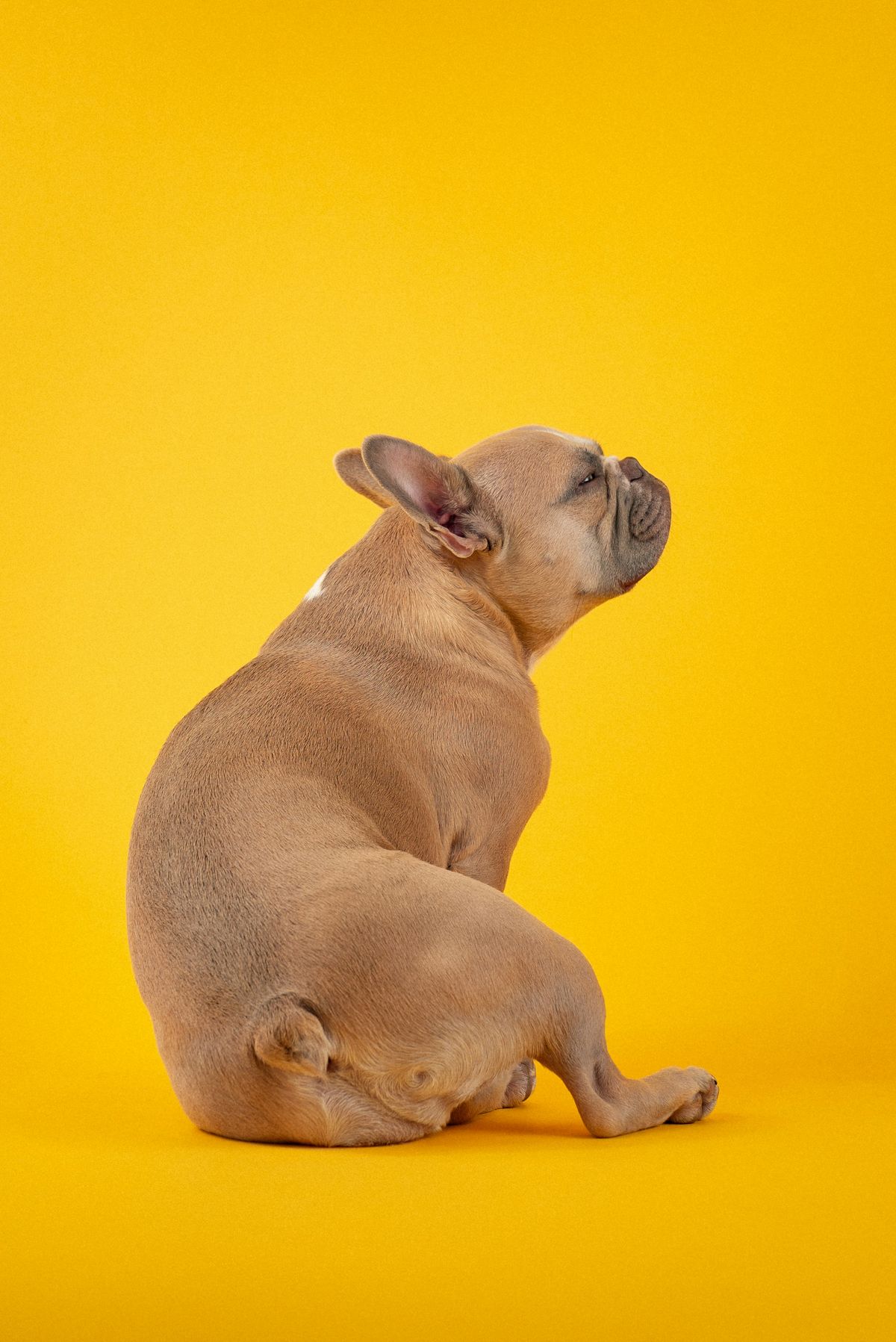
With Wangcai, the vet first thought it was worms. The real cause turned out to be a lack of fibre, and his scooting stopped once I adjusted his diet. Read his full story in my guide on why coconut fibre is so good for your pet's gut.
A stool test is a quick way to rule out worms, so you know you're treating the right cause.
Natural ways to help
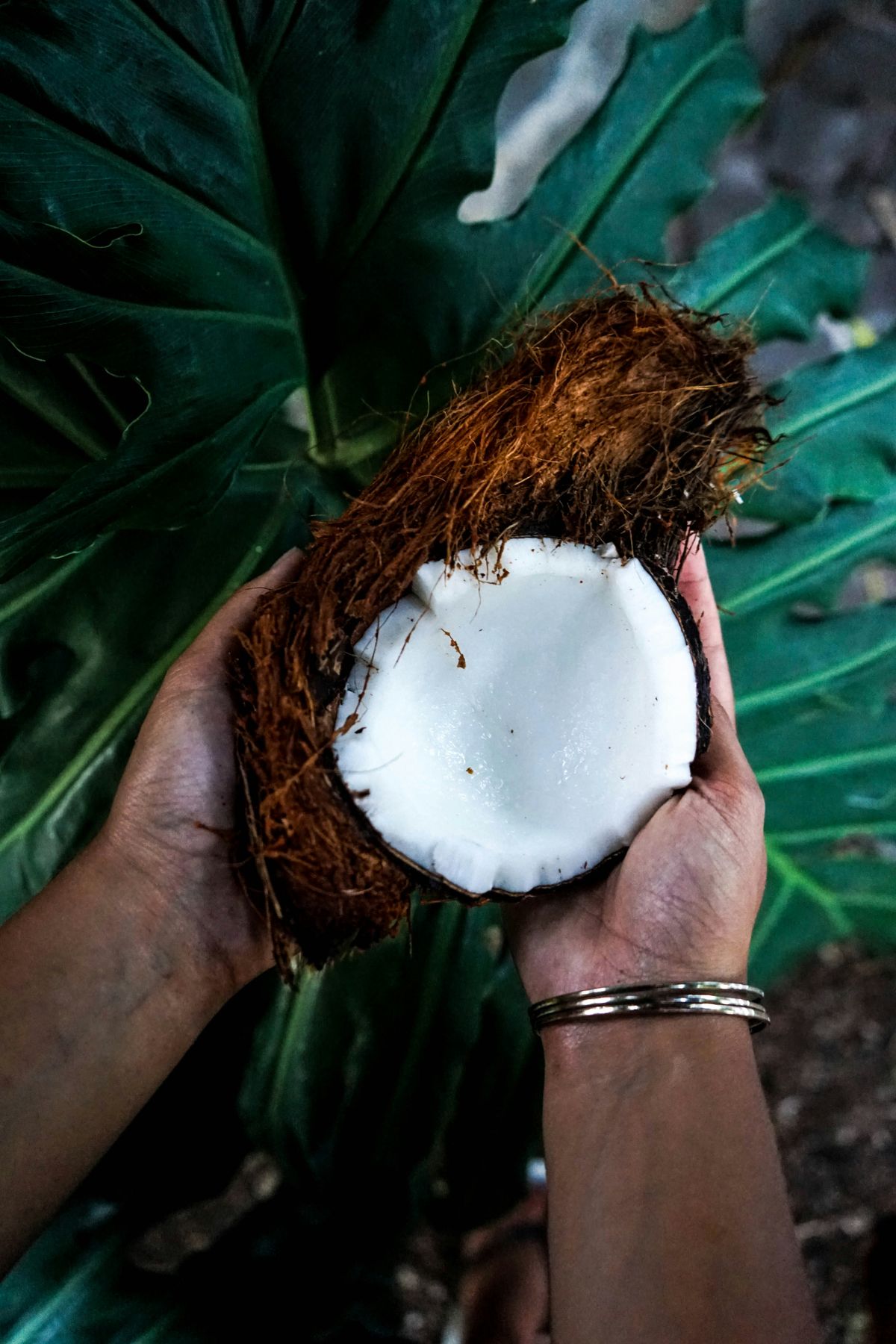
✓ Add the right fibre: fibre helps form firm, bulky stools that empty the glands naturally. CocoTherapy Coconut Chips are specially made to break down easily in the gut, and many pet parents have found they help with chronic anal gland issues. Pumpkin helps too.
✓ Add raw meaty bones: for raw-fed dogs, bone firms up stools. Pawff Raw Meaty Bone Grinds are an easy way to add them.
✓ Feed a fresh, species-appropriate diet: this supports healthy, well-formed stools.
✓ Support the gut: a probiotic like Adored Beast Love Bugs helps keep stools consistent.
✓ Manage food sensitivities: a pet intolerance test helps you find and remove trigger foods.
✓ Keep the area clean: wipe gently with JOOF Hygiene Water and soothe irritated skin with coconut oil.
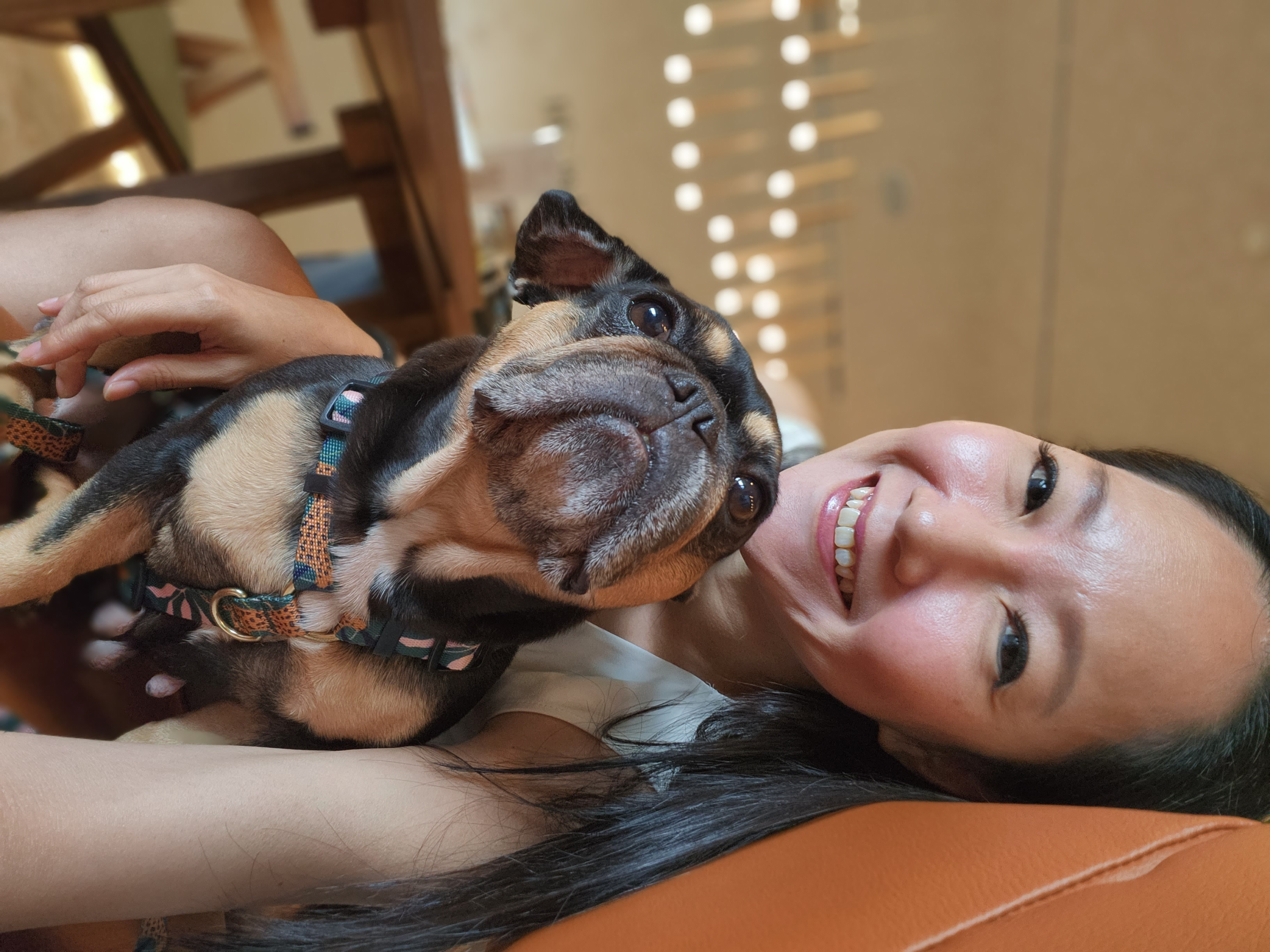
FROM MY EXPERIENCE
When we adopted BeanBean, she came home with an impacted, leaking anal gland. For about 2 weeks, I gently applied Colloidal SilverSol into the anal area and cleaned it with JOOF Hygiene Water. I applied coconut oil around her bottom to soothe it, increased her raw meaty bones, and made sure her food sensitivities were managed using her pet intolerance test results.
I only let the vet express her glands when my gut feeling told me it was truly needed.
When to see a vet
- Swelling, redness or a lump near the bottom
- Bleeding, pus or a strong smell
- Your pet is in pain, or straining to poop
- Scooting that doesn't improve after a week or two
Anal glands can become infected or form an abscess, which needs treatment.
Frequently asked questions
Do cats scoot too?
Yes, though less often. Cats may also lick the area a lot, or poop outside the litter box.
Should my dog's anal glands be expressed regularly?
No. Healthy glands empty on their own when your pet passes firm stools. It's a bit like squeezing a pimple: the more it's squeezed, the more inflamed and scarred it becomes. Regular expressing, even by a vet, can build up scar tissue, and over time the glands may lose the ability to empty on their own, leading to a cycle of vet visits and medication. Only have them expressed when there's a real problem and it will ease your pet's pain. Then focus on the root cause, like fibre, diet and food sensitivities, so they can work naturally again.
Shop this article
This article is for educational purposes and isn't a substitute for veterinary care. If you're concerned about your pet's health, please seek professional advice.
ABOUT THE AUTHOR
Judyvein Cheng, CPCN, BRNC
Judyvein is a Certified Professional Canine Nutritionist and Certified Raw Nutrition Coach for Cats & Dogs, and the founder of JOOF Holistic Pet. Her journey began with her Frenchie, Wangcai, and today she helps pet parents in Singapore take a root-cause approach to their pets' health.
RELATED READING